Movie spotlight
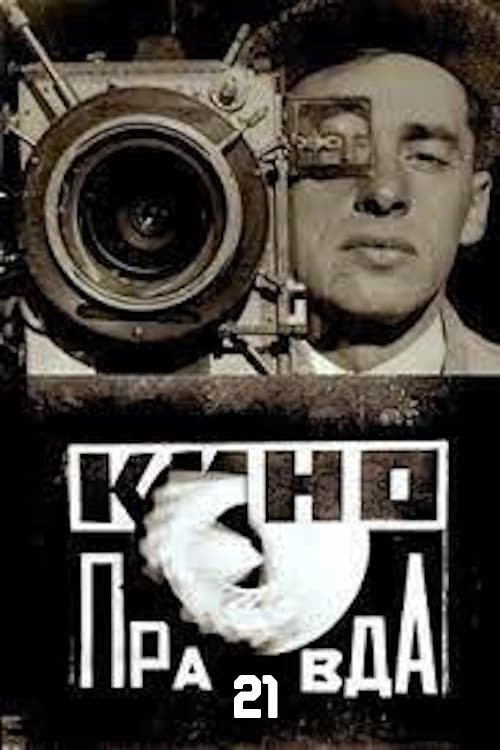
Kino-Pravda No. 21: Lenin Kino-Pravda. A Film Poem About Lenin
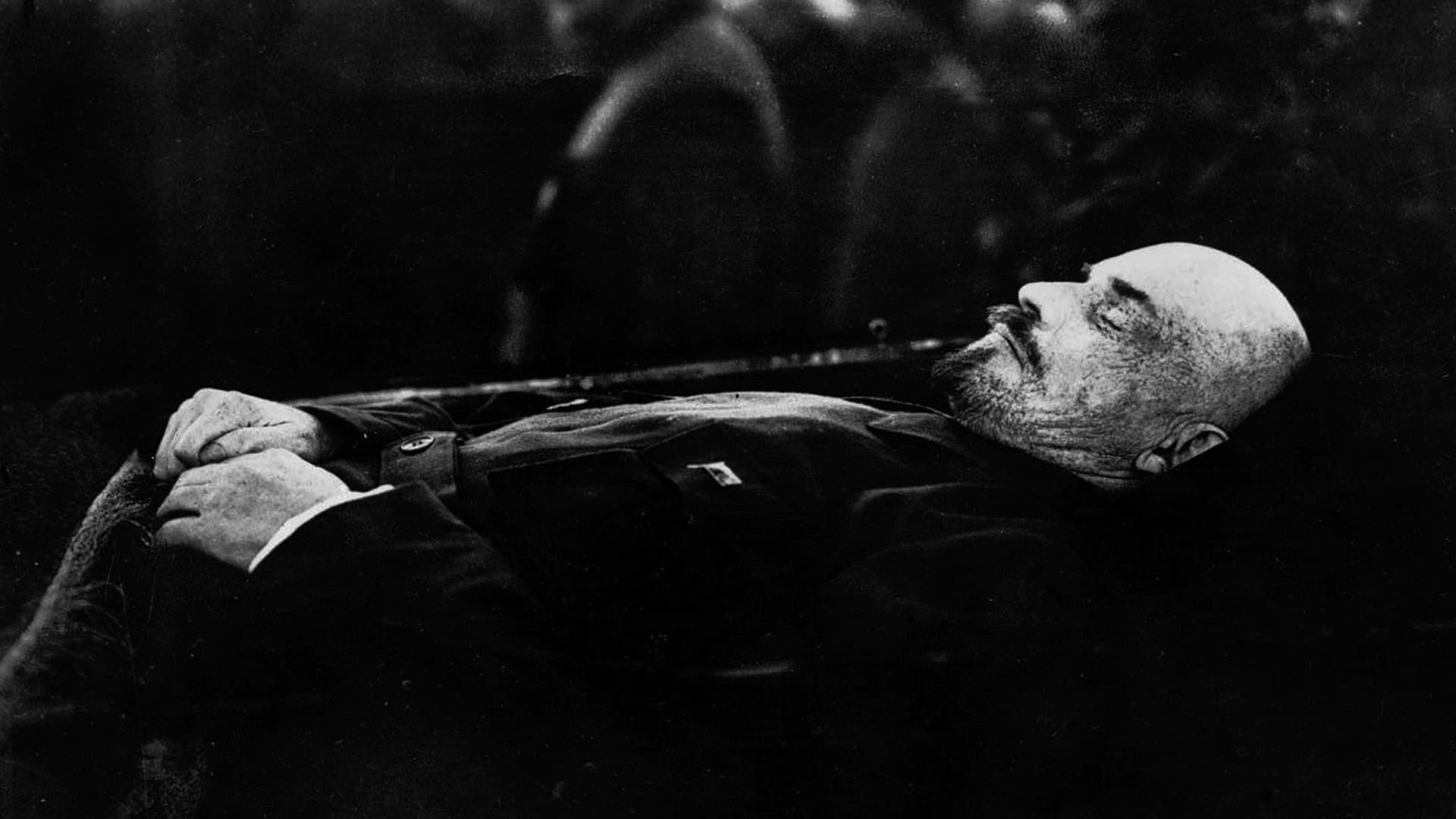
Dziga Vertov-directed Soviet newsreel made to commemorate the first anniversary of the death of Vladimir Ilich Lenin (21st January 1924 - 1925) drawn from 'The Final Journey', a Pravda feuilleton written on the occasion of Lenin's funeral by the man who had introduced Vertov to cinema, Mikhail Koltsov. Contains: First anniversary of Lenin's death: 1. Assassination attempt on Lenin and Soviet Russia's progress under his leadership / 2. Lenin's illness, death and funeral / 3. The year after Lenin's death
Insights
Plot Summary
This installment of Dziga Vertov's 'Kino-Pravda' series focuses on Vladimir Lenin. It presents a montage of archival footage and images intended to shape a public image and historical narrative of Lenin as a revolutionary leader and founder of the Soviet state. The film aims to solidify Lenin's legacy and promote the ideals of the Bolshevik revolution through its dynamic editing and ideological messaging.
Critical Reception
As part of the 'Kino-Pravda' series, this film is primarily studied for its significant contribution to documentary filmmaking techniques and its role as Soviet propaganda. While contemporary critical reception in the Western sense is difficult to ascertain, its historical importance lies in Vertov's experimental approach to newsreel and his use of film as a tool for political messaging. It is recognized as a foundational piece in the development of Soviet cinema.
What Reviewers Say
A seminal example of Soviet agitprop cinema.
Showcases Dziga Vertov's innovative editing and montage techniques.
Crucial for understanding the early use of film in shaping political ideology.
Google audience: Information on Google user reviews for this historical propaganda film is not readily available, as it predates widespread online review platforms and was primarily intended for ideological dissemination rather than mass public entertainment.
Fun Fact
Dziga Vertov considered 'Kino-Pravda' (Kino-Truth) films to be the foundation of 'Kino-Eye', his theory that the camera could perceive reality more accurately than the human eye.
AI-generated overview · Verify ratings on official sources