Movie spotlight
Koko Trains 'Em
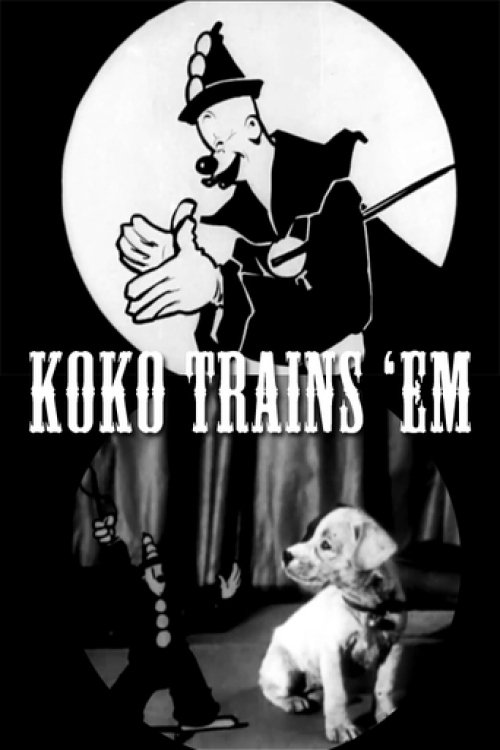
Max is inspired by a cute puppy, and gives Ko-Ko a trained dog to show off in a circus ring. The dog performs a variety of tricks, but things get out of hand once Ko-Ko's trained fleas are let loose into the crowd.
Insights
Plot Summary
In this animated short, Koko the Clown, a character created by Max Fleischer, finds himself in various comedic predicaments. The film showcases Fleischer's innovative "bouncing ball" technique, where lyrics of a song are displayed on screen, synchronized with a bouncing ball, encouraging audience participation. Koko attempts to navigate everyday situations with his typical slapstick brand of humor, often resulting in chaotic and amusing outcomes.
Critical Reception
As a short animated film from 1925, 'Koko Trains 'Em' is primarily appreciated for its historical significance in animation techniques and its role in popularizing the character of Koko the Clown. While specific critical reviews from the era are scarce, Fleischer's work was generally lauded for its inventive animation and comedic timing, contributing to the burgeoning animation industry.
What Reviewers Say
Praised for Max Fleischer's pioneering animation techniques.
Celebrated for its early use of audience participation through song.
Recognized as a key example of silent-era animated comedy.
Google audience: Due to the age of the film, specific Google user reviews are not available. However, modern viewers often appreciate its historical value and the ingenuity of its animation for the time.
Fun Fact
This short film is an example of Max Fleischer's 'Koko the Clown' series, which predated Walt Disney's Mickey Mouse and showcased innovative animation techniques for its time, including the bouncing ball for sing-along sequences.
AI-generated overview · Verify ratings on official sources