Movie spotlight
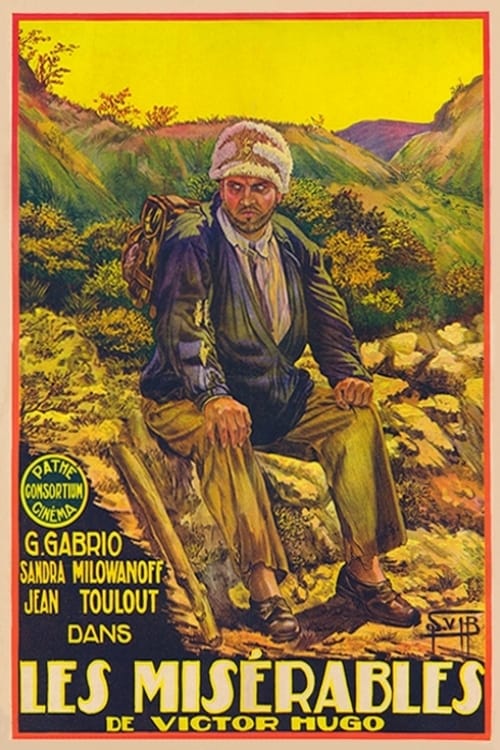
Les Misérables
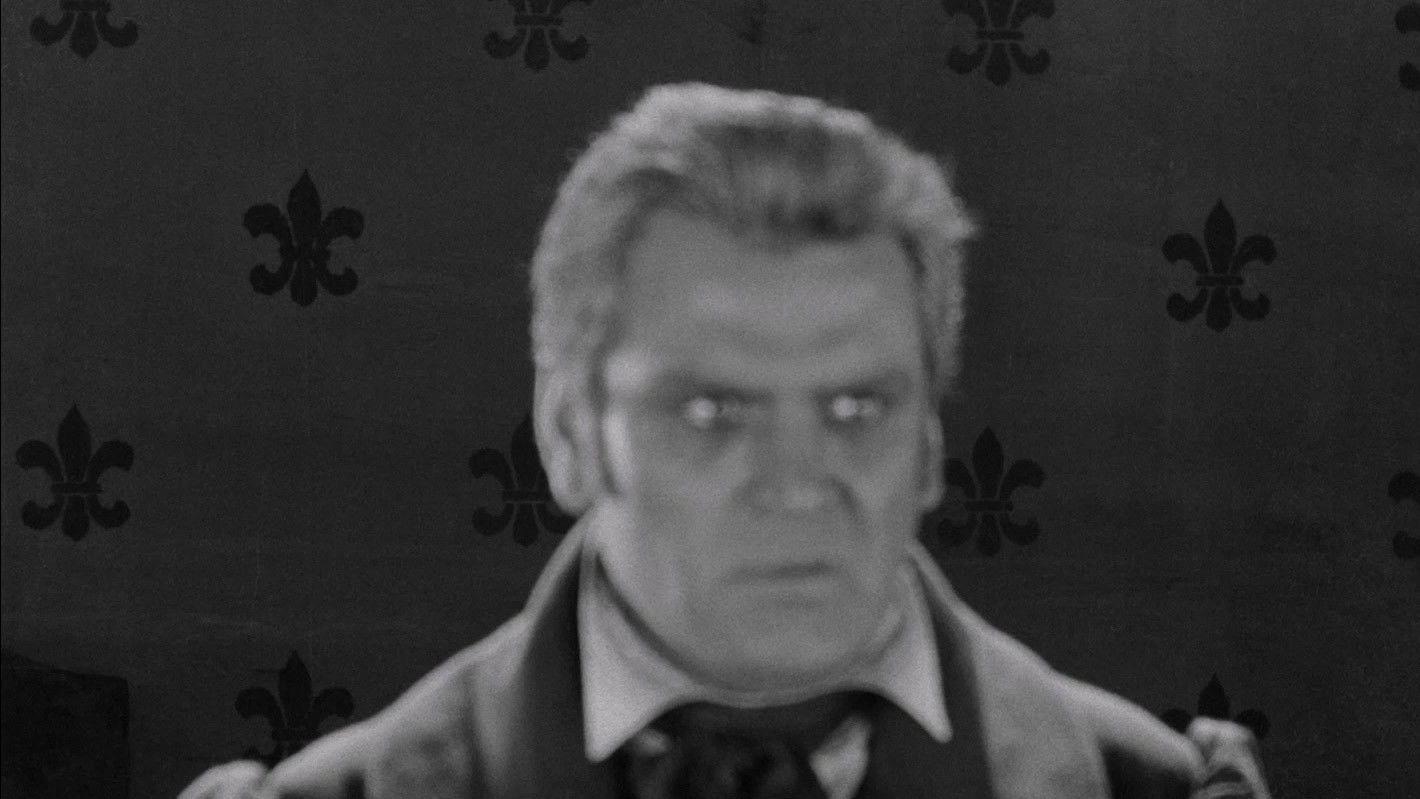
In 19th century France, Jean Valjean, a man imprisoned for stealing bread, must flee a relentless policeman named Javert. The pursuit consumes both men's lives, and soon Valjean finds himself in the midst of the student revolutions in France.
Insights
Plot Summary
In 19th-century France, Jean Valjean, a man imprisoned for nineteen years for stealing a loaf of bread, is released. He breaks his parole and becomes a successful factory owner and mayor under a new identity, but is relentlessly pursued by the determined Inspector Javert. Valjean dedicates his life to rescuing and protecting Fantine's daughter, Cosette, from poverty and hardship, navigating societal injustice and personal redemption.
Critical Reception
The 1925 silent film adaptation of Victor Hugo's epic novel was a significant cinematic event, lauded for its ambitious scope and Lon Chaney's powerful performance. While contemporary reviews praised its dramatic impact and faithfulness to the source material, modern assessments recognize its historical importance as a major Hollywood production of the era, though some note the limitations of silent storytelling compared to later adaptations.
What Reviewers Say
Lon Chaney delivers a tour-de-force performance as Jean Valjean, embodying the character's suffering and resilience.
The film successfully captures the epic scale and dramatic weight of Victor Hugo's classic novel.
A landmark silent film adaptation that effectively conveys intense emotion and a compelling narrative without dialogue.
Google audience: Information regarding specific Google user reviews for this 1925 silent film is not readily available. However, general audience reception historically would have been shaped by the film's powerful performances and its status as a major literary adaptation in the silent era.
Fun Fact
Lon Chaney, known as 'The Man of a Thousand Faces,' famously created his own makeup for Jean Valjean, including sculpting a prosthetic nose and cheeks, and even using cotton wadding to distort his face, all without the aid of modern prosthetics.
AI-generated overview · Verify ratings on official sources