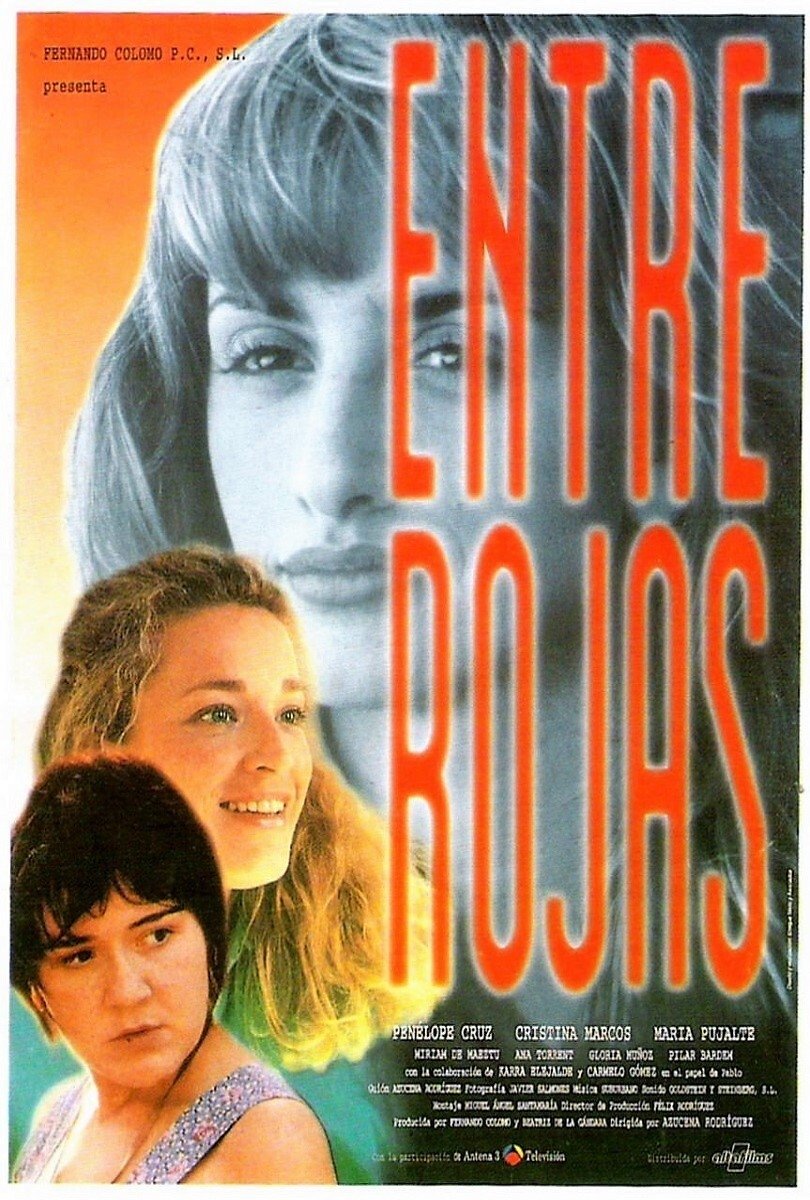

Entre rojas
Madrid, 1974. Former women's jail of Yeserias. Lucia, a girl well situated in society, is condemned to spend ten years in jail due to her relation with a politic militant against Franco's dictatorship. While being in prison she lives with every kind of woman: intelectuals, killers, illiterates, ... All of them must share food, living space, joys and pities; joined by the same fate, lack of freedom, they will have to fight together against desperation. Lucia is willing o live, to learn form that world the fate has given to her where, on the contrary to what she imagines, tenderness and laugh exist. And also the complicity and solidarity of some women living an experience which will mark them for ever.
Insights
Plot Summary
In a women's prison in post-Civil War Spain, a group of inmates find solace and a sense of community through their shared passion for flamenco dance and music. The film explores themes of resilience, female solidarity, and the enduring spirit in the face of oppression. It depicts their attempts to maintain their dignity and express themselves through art within the harsh confines of their incarceration.
Critical Reception
Entre Rojas received critical attention for its sensitive portrayal of women's lives within the prison system and its exploration of art as a form of resistance. It was noted for its performances and its atmospheric depiction of the era. While not a mainstream blockbuster, it gained recognition within independent film circles.
What Reviewers Say
- Praised for its powerful depiction of female solidarity and resilience.
- Noted for its atmospheric and authentic portrayal of prison life.
- Appreciated for its exploration of art and music as forms of escape and resistance.
Google audience: Information on Google user reviews and ratings for 'Entre Rojas' is not widely available.
Fun Fact
The film was shot on location in a former prison, adding to its authentic and somber atmosphere.
AI-generated overview · Verify ratings on official sources