
Movie spotlight
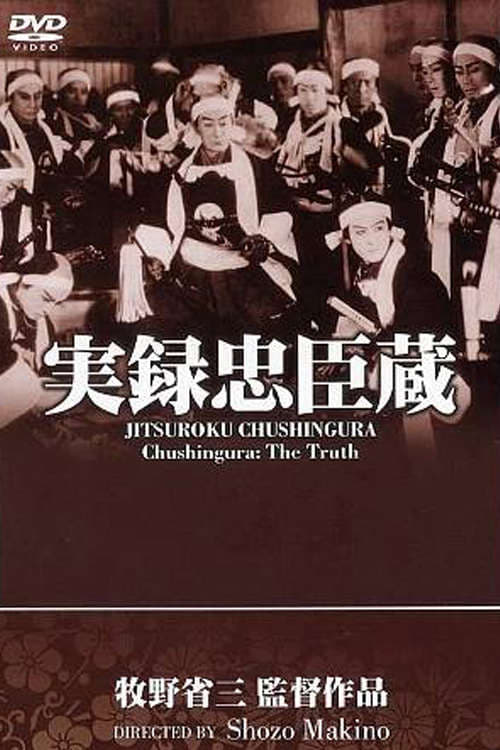
Chushingura: The Truth
Lord Asano Takumi-no-Kami Naganori was charged with receiving a group of envoys from the Imperial Court in Kyoto. He was young and slightly inexperienced, so Lord Kira Kozuke-no suke Yoshinako was given the task of instructing Lord Asano in the customs of the ceremony. On the day of the reception, something went terrible wrong, and Lord Asano attempted to kill Lord Kira. For this, Lord Asano was order to commit seppuku. However, in violation of existing law, Lord Kira was not punished. The ruling Shogun Tokugawa Tsunayoshi eventually confiscated Lord Asano's land and dismissed the samurai that had served him so faithfully, effectively making them all ronin. Two years later, Oishi Kuranosuke Yoshi led a group of samurai loyal to Lord Asano in an attack on Kira's compound. Their aim was to capture and kill him.
Insights
Plot Summary
This silent film adaptation of the classic Chushingura tale depicts the legendary story of the 47 Ronin. It follows the samurai who, after their master is unjustly forced to commit seppuku, embark on a dangerous and ultimately tragic mission of vengeance. The narrative focuses on their loyalty, honor, and the ultimate sacrifice they make to avenge their lord's honor.
Critical Reception
As a silent film from 1928, contemporary critical reception in the modern sense is difficult to ascertain. However, "Chushingura" in its various forms has been a perennially popular story in Japanese cinema, and this silent version was likely appreciated for its historical narrative and dramatic presentation within the cinematic techniques of its time. Its historical significance lies in being an early silent adaptation of a foundational Japanese epic.
What Reviewers Say
An early and significant silent adaptation of the iconic 47 Ronin story.
Likely praised for its historical drama and emotional resonance typical of the era.
Its visual storytelling and adherence to the beloved legend would have been key elements for audiences.
Google audience: Information on Google user reviews for this specific 1928 silent film is unavailable due to its age and limited digital footprint. However, the Chushingura story itself is deeply revered in Japan, suggesting an audience would have appreciated its thematic elements of loyalty and justice.
Awards & Accolades
None notable, as formal award systems for film were nascent and international recognition for such early Japanese films was limited.
Fun Fact
This 1928 silent film is one of numerous adaptations of the Chushingura story, which itself is based on the historical Ako Incident of 1701-1703, making it a story with over 300 years of theatrical, literary, and cinematic retelling.
AI-generated overview · Verify ratings on official sources