
Movie spotlight
Três Dias Sem Deus
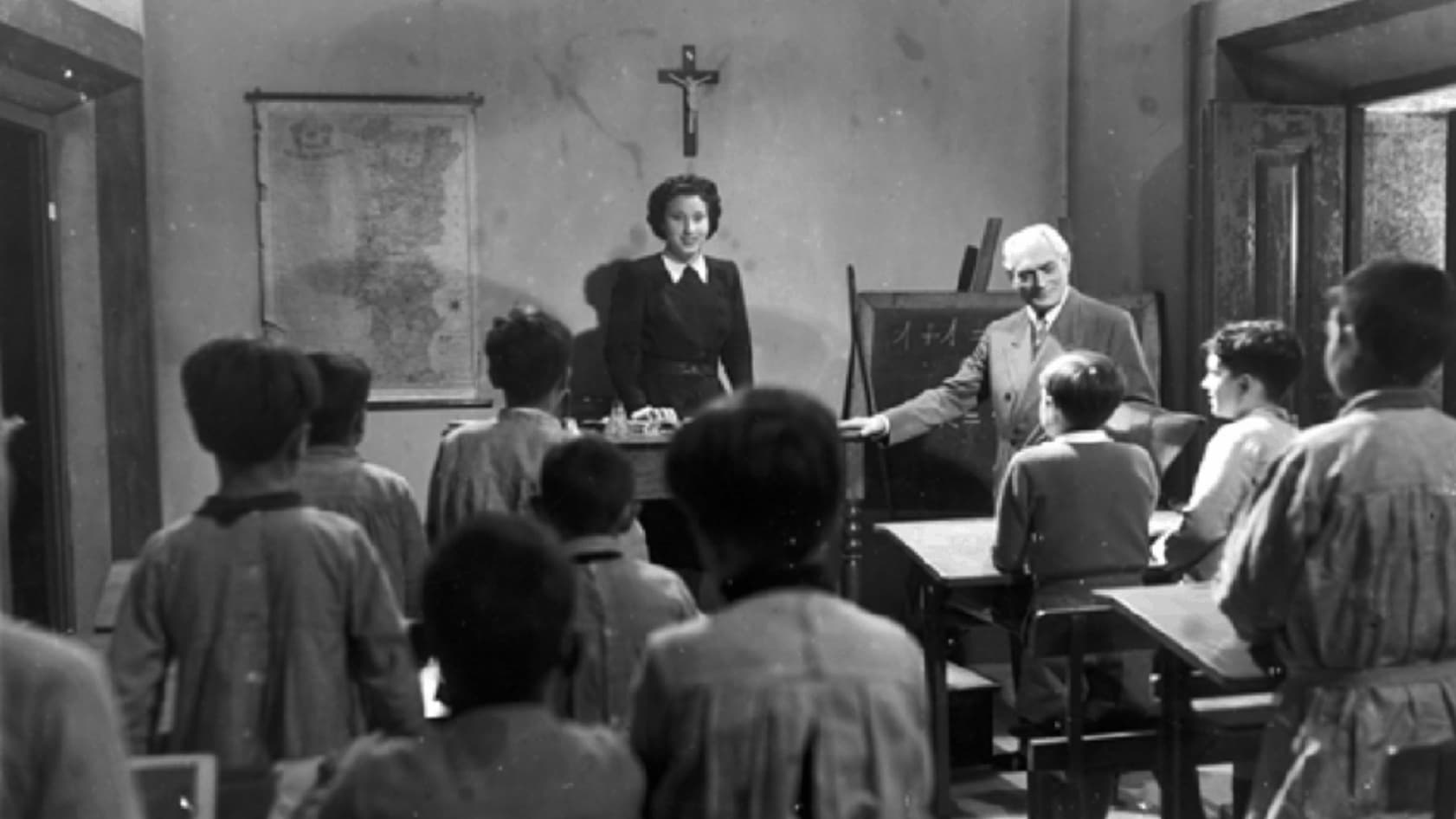
Shown in Cannes 1946, this film was lost in a fire. Only 20 minutes survive today. An elementary school teacher, Lídia, is placed in an isolated village in the mountains and on the first day of school the doctor informs her that she will have to go away with the priest for three days. These will be the three godless days of the title, in which the young teacher will meet the lord of the hill, Paulo Belforte, who is feared by the whole village for allegedly setting fire to the church and for having tried to murder his own wife. Due to a series of misunderstandings, the villagers turn against Lídia and Belforte, to the point where at the end there is a torchlight procession to purify the diabolical events of Casal de Lobos. But all ends well, and peace is restored through (semi-)divine influence...
Insights
Plot Summary
The film centers on a young woman who struggles with her faith and her future after a tragic event. Torn between societal expectations and her personal desires, she navigates a path of emotional turmoil and spiritual questioning. Her journey explores themes of love, loss, and the search for meaning in a world grappling with post-war uncertainties.
Critical Reception
As an early Portuguese film, detailed critical reception is scarce. However, it is recognized for its dramatic intensity and exploration of complex emotional themes within the context of its time. The film likely resonated with audiences seeking introspective narratives during a period of significant societal change.
What Reviewers Say
Praised for its emotional depth and character-driven narrative.
Recognized as a significant example of Portuguese cinema from the mid-20th century.
Explores universal themes of faith, loss, and resilience.
Google audience: Information on specific Google user reviews for this historical film is not readily available.
Fun Fact
Três Dias Sem Deus is considered one of the notable Portuguese films of the 1940s, contributing to the development of the nation's cinematic landscape during a less prolific period for Portuguese film production.
AI-generated overview · Verify ratings on official sources