Movie spotlight
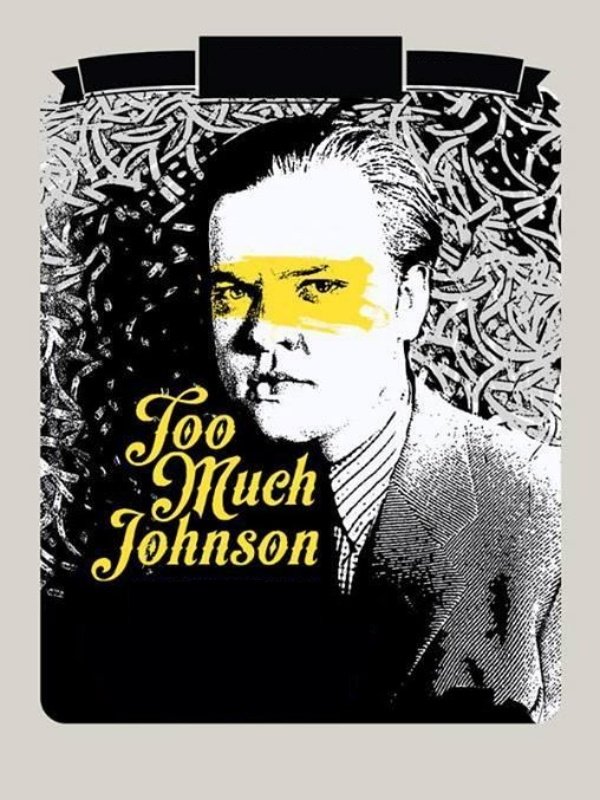
Too Much Johnson
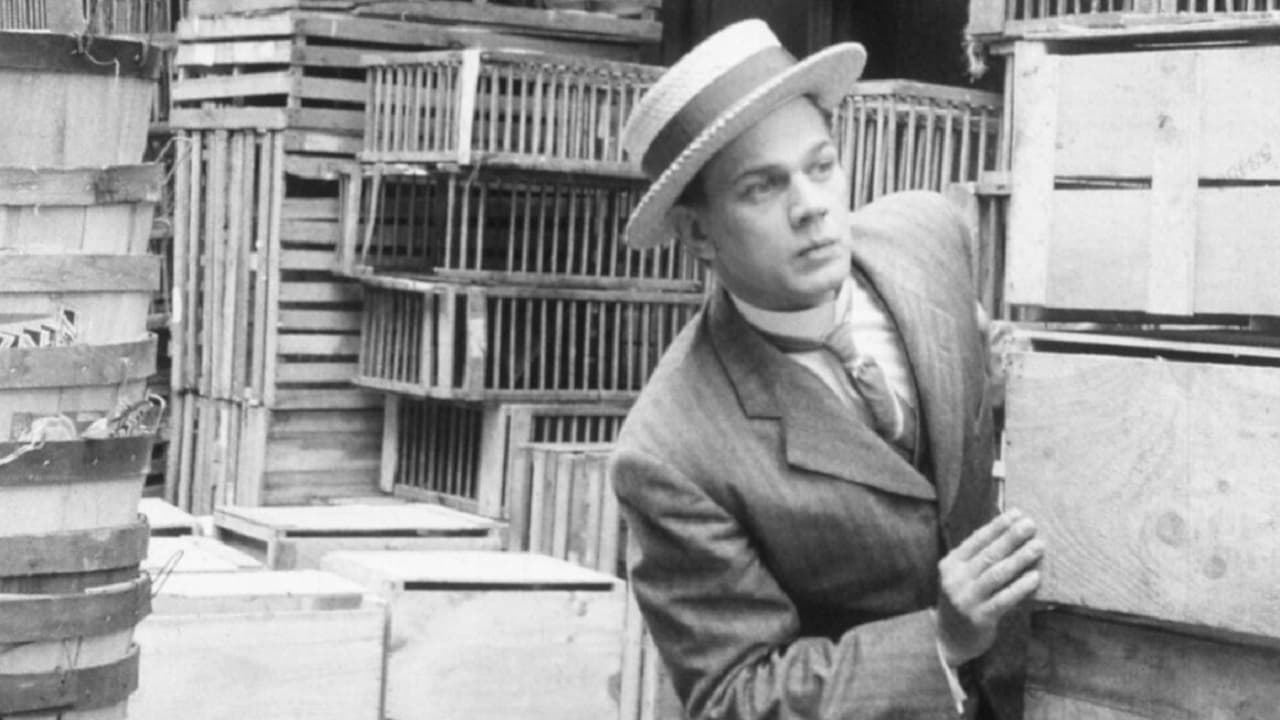
This film was not intended to stand by itself, but was designed as the cinematic aspect of Welles' Mercury Theatre stage presentation of William Gillette's 1894 comedy about a New York playboy who flees from the violent husband of his mistress and borrows the identity of a plantation owner in Cuba who is expecting the arrival of a mail order bride. The film component of the performance was ultimately never screened due to the absence of projection facilities at the venue. Long-believed to be lost, a workprint was discovered in 2008 and the film had its premiere in 2013.
Insights
Plot Summary
A wealthy young man, Augustus Billings, attempts to woo the lovely Mrs. Adolphus Smyth, but she is more interested in her young lover. To win her affection, Billings assumes the identity of his twin brother, a notorious outlaw. This leads to a chaotic series of mistaken identities and farcical situations involving numerous characters and a staged play.
Critical Reception
Although initially intended as a lavish production and a directorial debut for Orson Welles, 'Too Much Johnson' was famously unfinished and unreleased in its intended form. Welles shot extensive footage but abandoned the project. The film is primarily known today through fragments and is more of a historical curiosity than a critically assessed work. Its reputation is built on its legendary status as a 'lost film' and Welles's early directorial ambition.
What Reviewers Say
A fascinating glimpse into Welles's early, ambitious filmmaking.
More of a historical artifact than a completed film, its legend eclipses its actual viewing experience.
The unfinished nature adds to its mystique but limits critical evaluation.
Google audience: As an unfinished film, there is no specific audience reception data available. It is primarily discussed in historical and academic contexts related to Orson Welles's career.
Awards & Accolades
None notable, primarily due to its unfinished and unreleased status.
Fun Fact
The film was intended to be Orson Welles's directorial debut for RKO Pictures, but it was never completed or officially released, becoming one of cinema's most famous 'lost films' until portions were rediscovered and screened in the 21st century.
AI-generated overview · Verify ratings on official sources