Movie spotlight
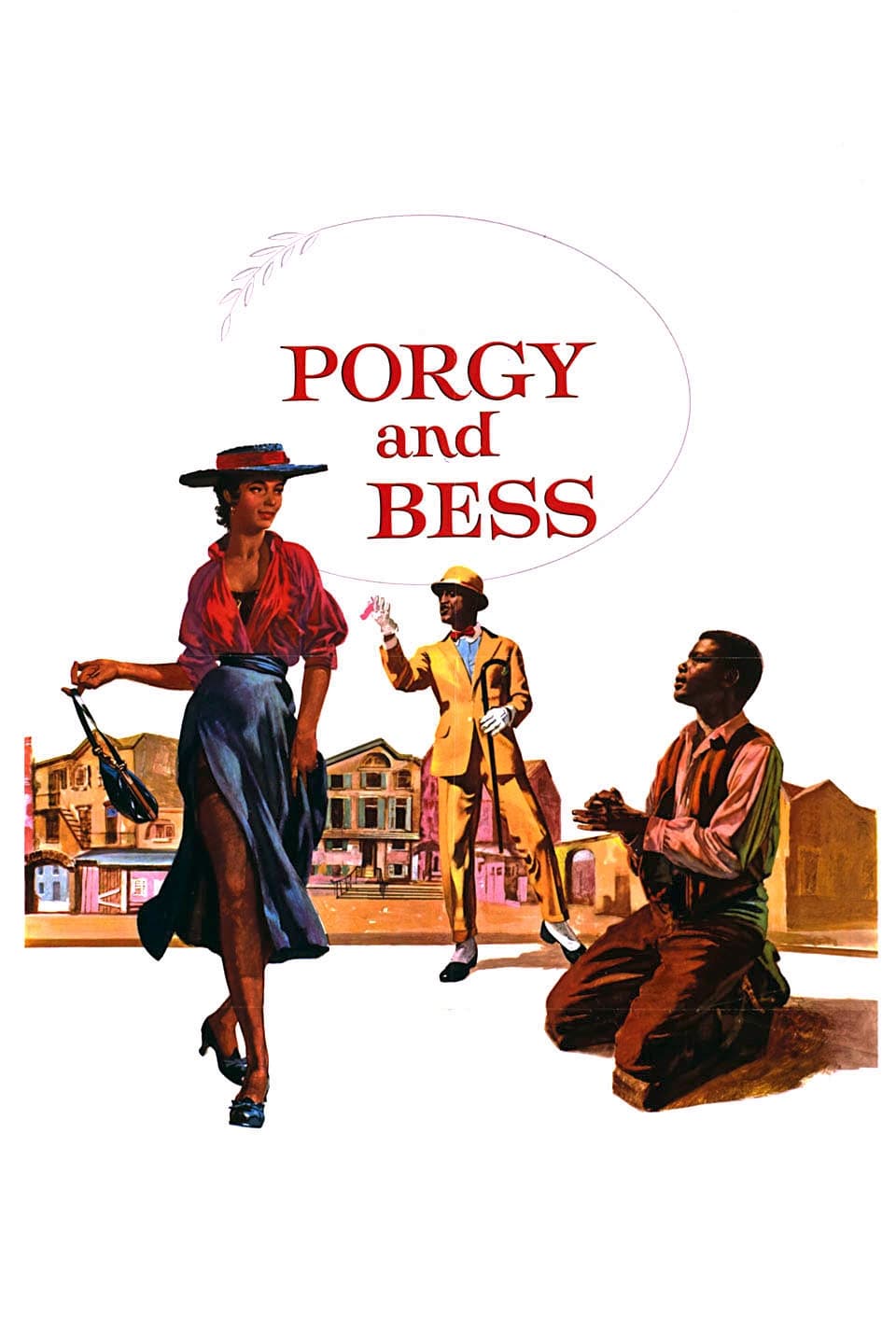
Porgy and Bess
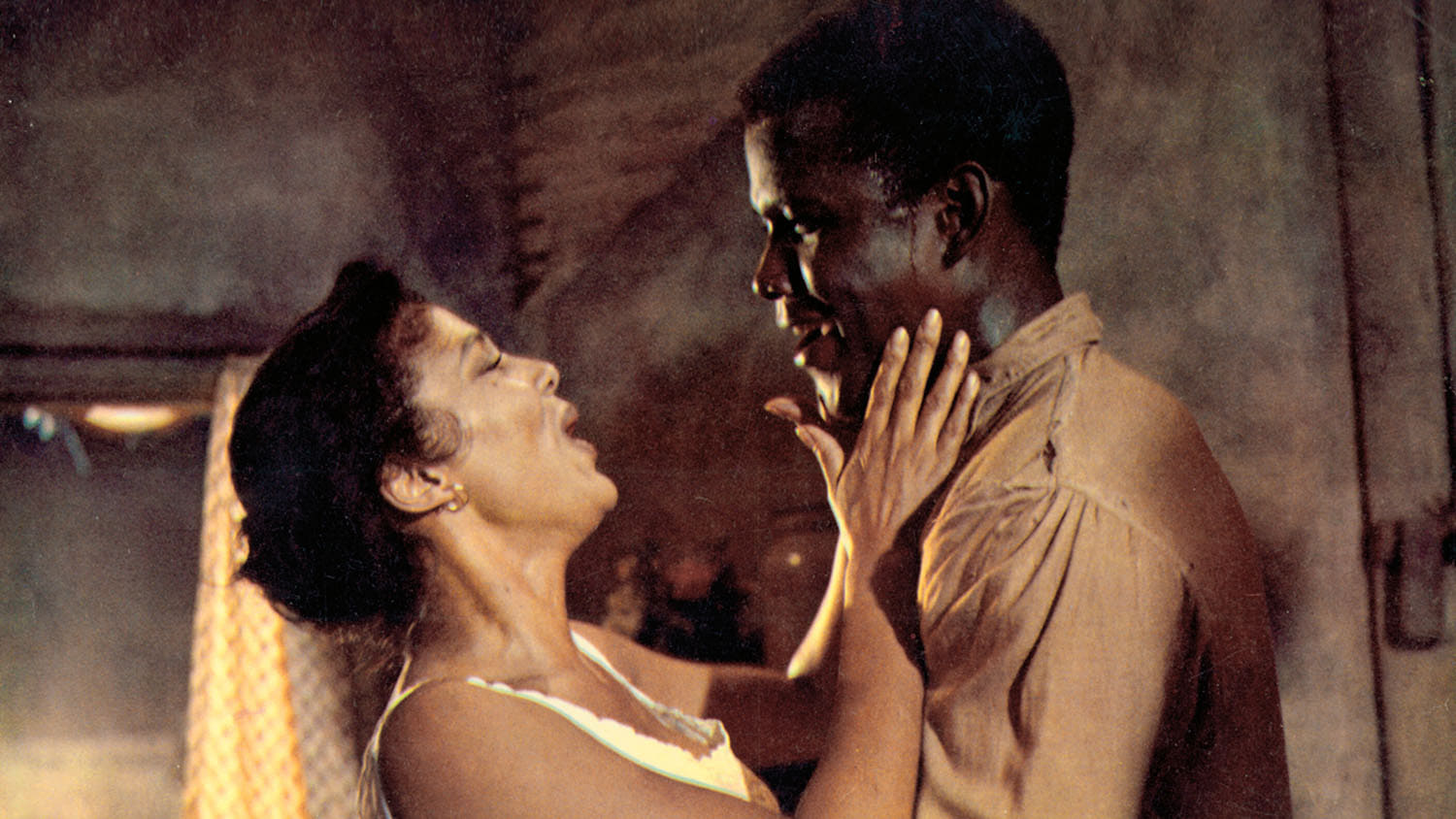
In the early 1900s, the fictional Catfish Row section of Charleston, South Carolina serves as home to a black fishing community. Crippled beggar Porgy, who travels about in a goat-drawn cart, loves the drug-addicted Bess, who lives with stevedore Crown, the local bully.
Insights
Plot Summary
In the impoverished Catfish Row, the disabled beggar Porgy loves the volatile Bess. When Crown, Bess's violent former lover, returns, Bess is drawn back into a dangerous life. Porgy must confront Crown and navigate the challenges of his community, including drug addiction and poverty, to protect Bess and find his own peace.
Critical Reception
Otto Preminger's 1959 film adaptation of the iconic American opera "Porgy and Bess" was met with a complex reception. While lauded for its ambitious scope, stunning Technicolor visuals, and powerful musical performances, it was also criticized for its controversial casting decisions, perceived simplification of the original opera's themes, and its handling of racial stereotypes. The film remains a significant, albeit debated, entry in American cinema.
What Reviewers Say
Praised for its operatic grandeur and musical performances.
Criticized for its problematic portrayal of African American life and casting choices.
Visuals and score are often highlighted as significant strengths.
Google audience: Audiences generally appreciate the film's powerful music and the strong performances of its cast, finding it a compelling, if dated, musical drama. Some viewers note that while the emotional core is strong, the storytelling can feel uneven, and the film's historical context influences its perception.
Awards & Accolades
Nominated for the Academy Award for Best Scoring of a Musical Picture.
Fun Fact
Director Otto Preminger insisted on shooting the film in Technicolor to fully capture the vibrant atmosphere of Catfish Row and the emotional resonance of the musical numbers.
AI-generated overview · Verify ratings on official sources