
Movie spotlight
The Beggar's Opera
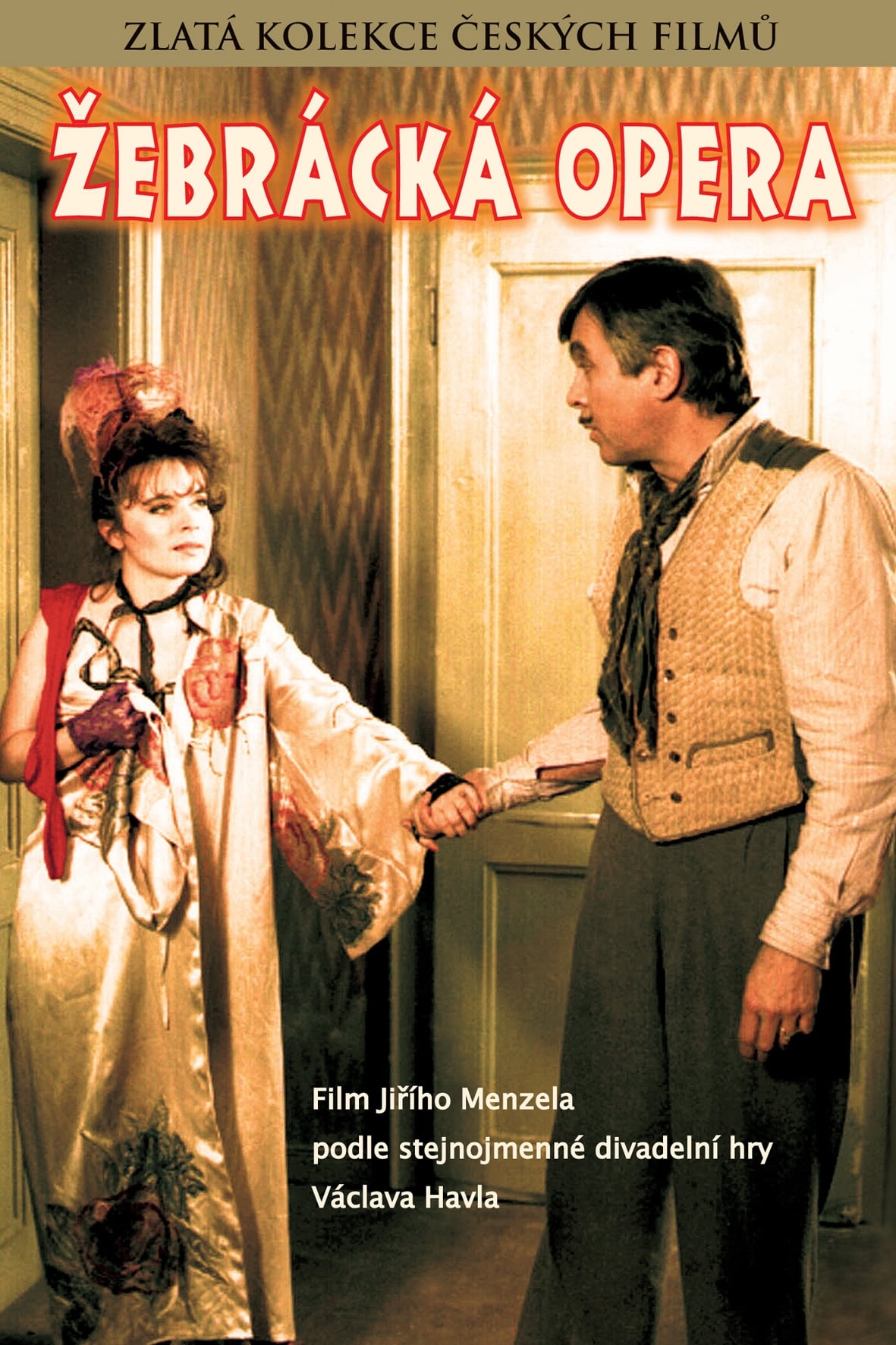
Unlike any other opera, the so-called Beggar's Opera is not just one composition, but a lineage of adapted compositions, beginning with the original hugely successful 1728 political satire written by Englishman John Gay. Composers and writers have penned variations on it ever since. The most famous of these was A Threepenny Opera by Bertholt Brecht and Kurt Weill. Some things these compositions share in common is their setting among the poor and criminal classes, and the roguish character Macheath. This production is based on an adaptation of Gay's original by Vaclav Havel the freedom-fighter, writer and philosopher who became the first (and only) president of the united post-communist country of Czechoslovakia, and it retains many traces of its theatrical origins. Film reviewers were not too tolerant of what they called "slavish adherence" to the noted Czech writer's stage production, but theater, philosophy and history buffs may feel otherwise.
Insights
Plot Summary
This adaptation of John Gay's satirical ballad opera follows the notorious highwayman Macheath as he navigates a world of corrupt officials, vengeful lovers, and the ever-present threat of the gallows. Betrayed by his associates and entangled with the beggar-master Peachum and the jailer Lockit, Macheath's life hangs in the balance as he attempts to escape his fate.
Critical Reception
The 1991 BBC television adaptation of 'The Beggar's Opera' was generally well-received for its faithful rendition of the original work and its strong performances. Critics often highlighted the production's ability to capture the wit and social commentary of John Gay's satire, while also appreciating its musicality. Audience reception was positive, particularly among those familiar with or interested in classic English theatre and musicals.
What Reviewers Say
Praised for its spirited musical numbers and dark humor.
Appreciated for its sharp social satire and relevant commentary on corruption.
Noted for strong performances, particularly from the lead actors.
Google audience: Information on specific Google user reviews for this 1991 television adaptation is not readily available, but general audience reception for similar historical musical dramas tends to be favorable for productions that balance period authenticity with engaging performances.
Fun Fact
This 1991 production is one of several adaptations of John Gay's famous 1728 ballad opera, which itself was a satire of the Italian opera style popular at the time.
AI-generated overview · Verify ratings on official sources