Movie spotlight
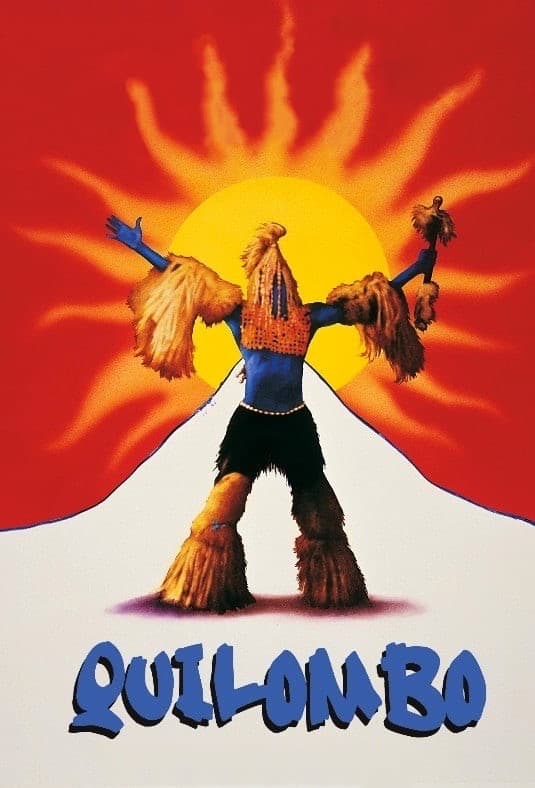
Quilombo
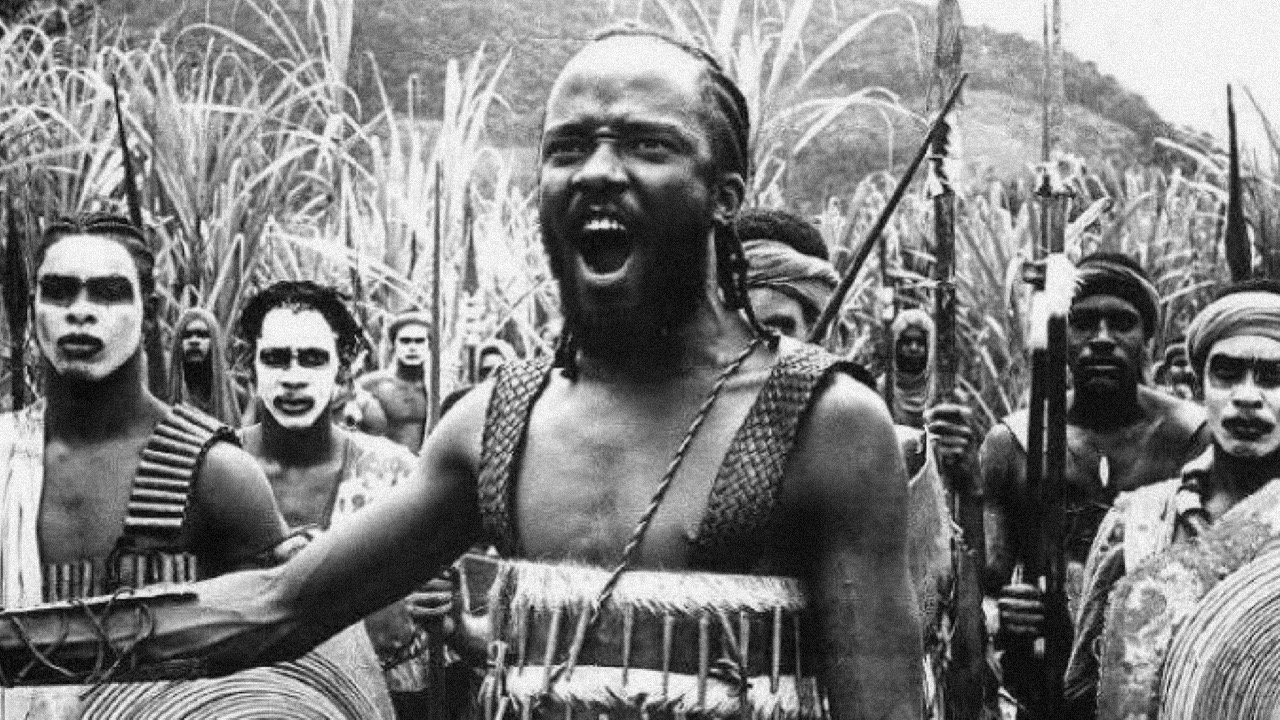
Quilombo dos Palmares was a real-life democratic society, created in Brazil in the 17th century. This incredibly elaborate (and surprisingly little-known) film traces the origins of Quilombo, which began as a community of freed slaves. The colony becomes a safe harbor for other outcasts of the world, including Indians and Jews. Ganga Zumba (Toni Tornado) becomes president of Quilombo, the first freely elected leader in the Western Hemisphere. Naturally, the ruling Portuguese want to subjugate Zumba and his followers, but the Quilombians are ready for their would-be oppressors. The end of this Brave New World is not pleasant, but the followers of Zumba and his ideals take to the hills, where they honor his memory to this day. Writer/director Carlos Diegues takes every available opportunity to compare the rise and fall of Quilombo with the state of affairs in modern-day Brazil.
Insights
Plot Summary
The film chronicles the rise and fall of Palmares, a legendary quilombo (a community of escaped slaves) in colonial Brazil, during the 17th century. It focuses on the charismatic leader Zumbi and the struggle for freedom and autonomy against the Portuguese colonial forces. The narrative depicts the intense battles, internal conflicts, and the enduring spirit of resistance of the Afro-Brazilian people.
Critical Reception
Quilombo received generally positive reviews for its epic scope, powerful performances, and important historical subject matter. Critics praised its visually striking depiction of colonial Brazil and the resilience of its characters, though some noted its lengthy runtime. It is considered a significant work in Brazilian cinema for its exploration of slavery and resistance.
What Reviewers Say
Praised for its ambitious scale and historical significance.
Commended for strong performances, particularly from Grande Otelo.
Noted for its visually rich and often brutal portrayal of the struggle for freedom.
Google audience: Information not available.
Awards & Accolades
Nominated for the Palme d'Or at the Cannes Film Festival in 1984. Won Best Film and Best Actor (Grande Otelo) at the Gramado Film Festival.
Fun Fact
The film was shot on location in Brazil, with extensive use of historically inspired costumes and sets to recreate the atmosphere of 17th-century Palmares.
AI-generated overview · Verify ratings on official sources