
Movie spotlight
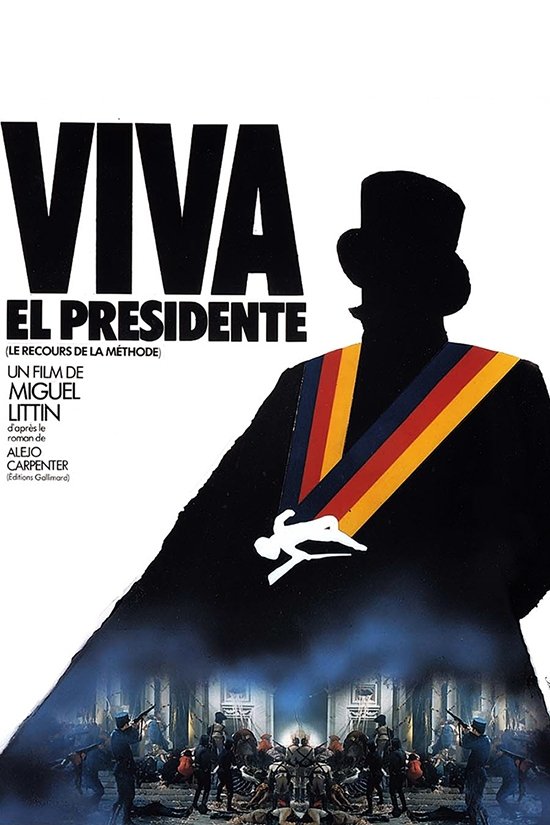
The Recourse to the Method
Set in the early 1900s, this film charts the rule of a Latin American dictator as he moves from being a charming despot to a tyrannical ruler before he is finally ousted, only to die in obscurity in Paris. Early in his regime, the resources and agricultural products his country sells command high prices, and he is a reasonably confident, even gentle, ruler who likes to take long vacations with his daughter in Paris. After World War I, with falling prices and a number of coup attempts behind him, his rule becomes quite cruel.
Insights
Plot Summary
A wealthy and influential businessman, disillusioned with his life and the emptiness of material success, decides to radically alter his existence. He orchestrates a complex plan to disappear and start anew, leaving behind his fortune and social standing. The film explores his internal struggle and the external consequences of his drastic decision.
Critical Reception
The film was a modest success, praised for its philosophical themes and a strong central performance, though some critics found its pacing deliberate. It resonated with audiences interested in existential dramas and character studies.
What Reviewers Say
Praised for its introspective narrative and exploration of existential themes.
Michael Heltau's performance was frequently highlighted as a strong point.
Some reviews noted a deliberate pacing that might not appeal to all viewers.
Google audience: Audience reception is not widely documented through specific Google user reviews for this particular film.
Fun Fact
The film is an adaptation of a novel by Alejo Carpentier, though it was adapted with a European setting rather than its original Latin American context.
AI-generated overview · Verify ratings on official sources