
Movie spotlight
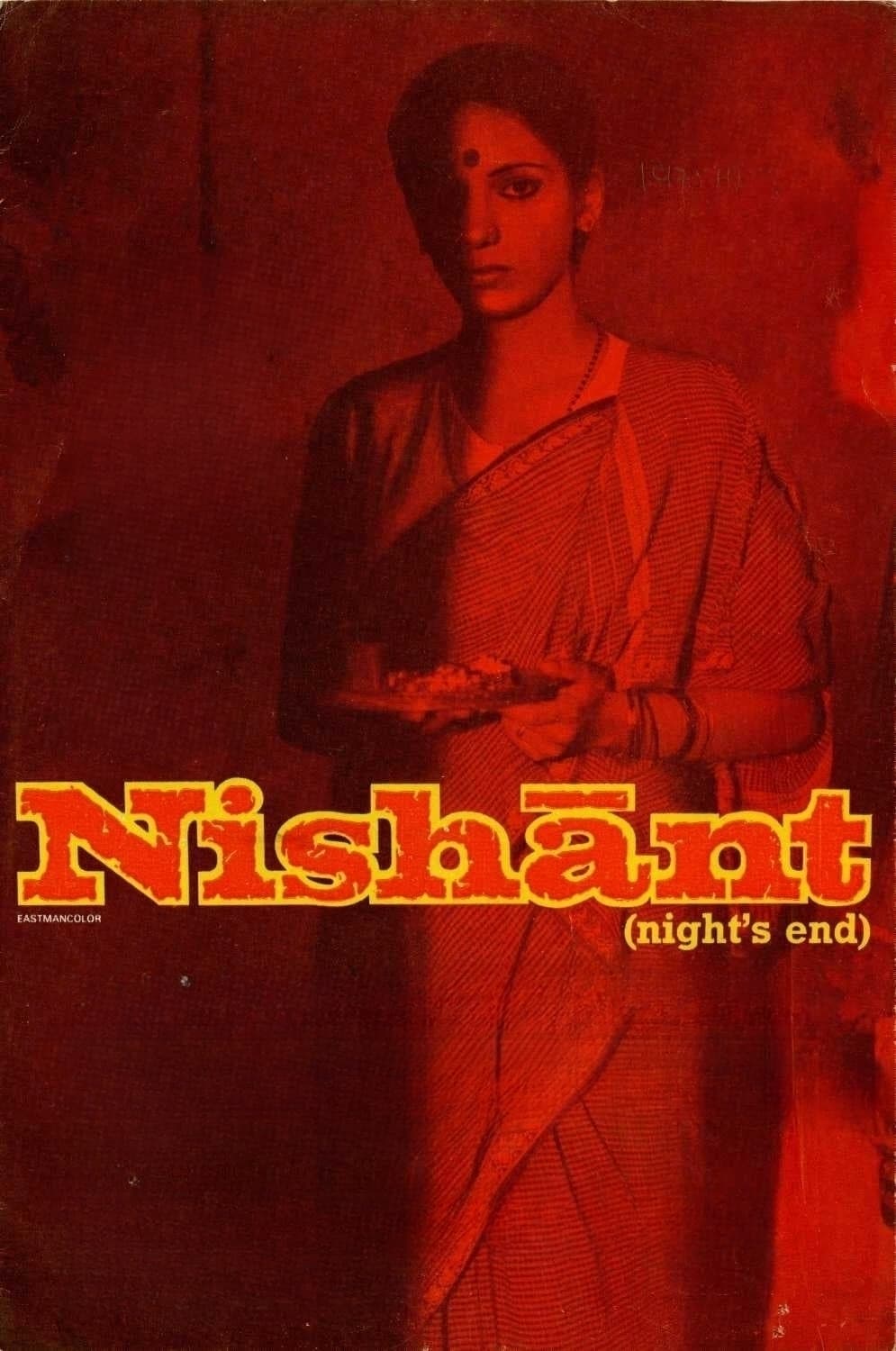
Nishant
A man whose wife is abducted seeks to have the culprits prosecuted for their crime, but no one will help him. Meanwhile, the wife—abused and berated by her abductors—cannot bring herself to face her husband.
Insights
Plot Summary
Set in a village in the Deccan region during the late 1940s, Nishant depicts the stark realities of feudal exploitation and the deep-seated social hierarchies. The arrival of a young, idealistic schoolmaster in a village dominated by a cruel landlord and his henchmen, along with the corrupt police, ignites a struggle for justice and dignity. The film explores the complex relationships and power dynamics, culminating in a tragic confrontation.
Critical Reception
Nishant is widely regarded as a seminal work of Indian parallel cinema, praised for its unflinching portrayal of social injustice and its realistic depiction of rural life. Critics lauded its strong performances, sharp screenplay, and Benegal's directorial prowess in dissecting complex socio-political themes. It achieved significant critical acclaim both nationally and internationally.
What Reviewers Say
Praised for its powerful critique of feudalism and caste oppression.
Acclaimed for its realistic performances and authentic portrayal of rural India.
Considered a landmark film in the Indian New Wave cinema movement.
Google audience: Information on specific Google user reviews for 'Nishant (1975)' is not readily available, but the film is generally recognized by cinephiles for its significant contribution to realistic Indian cinema.
Awards & Accolades
Won the National Film Award for Best Feature Film in Hindi, and received the Golden Hugo at the Chicago International Film Festival.
Fun Fact
The film was shot on location in a village in Andhra Pradesh, lending it a high degree of authenticity in its depiction of rural life and social dynamics.
AI-generated overview · Verify ratings on official sources