
Movie spotlight
Amorosa
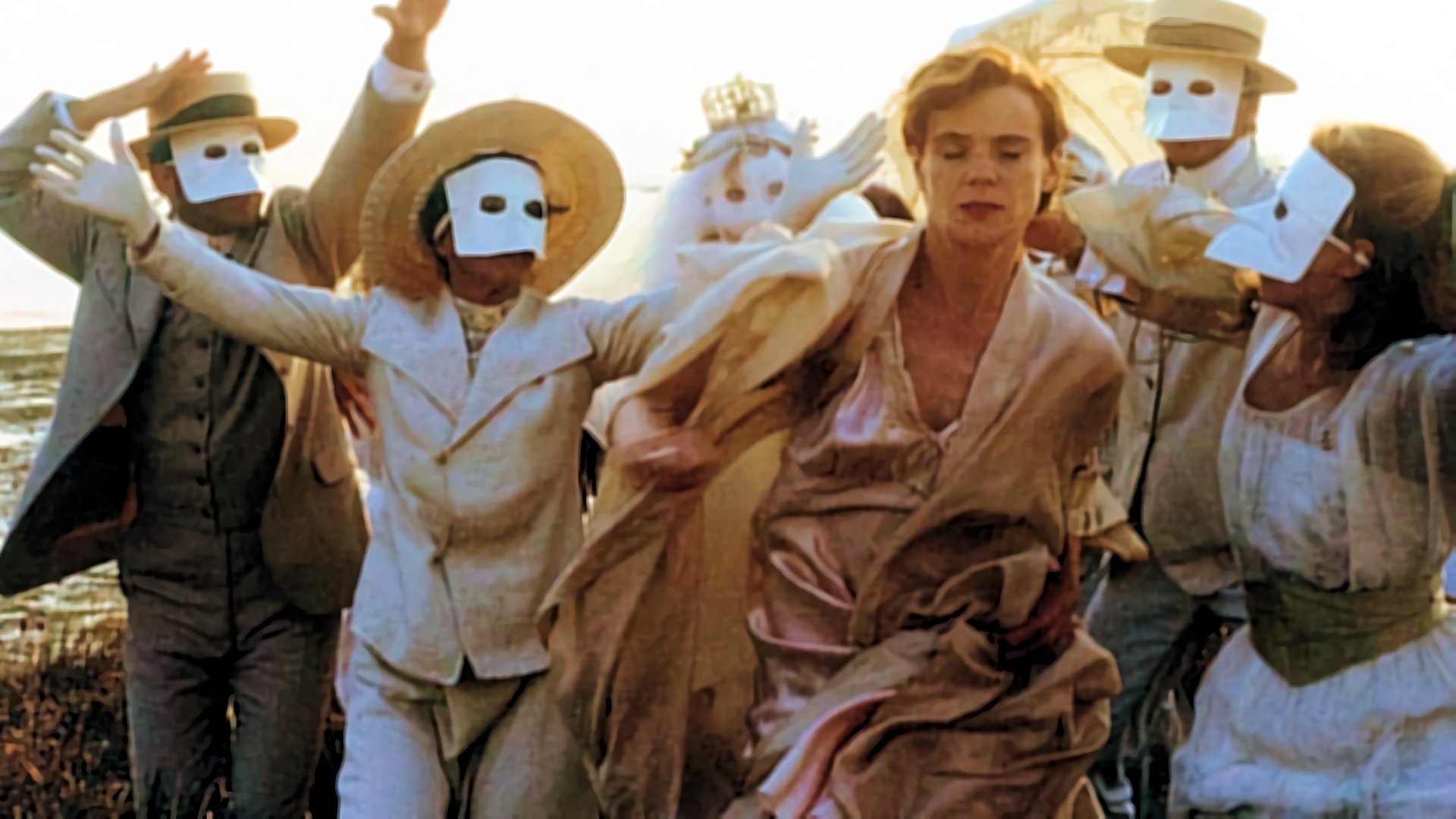
About the Swedish author Agnes Von Krusenstjerna during the period of her marriage to David Sprengel. In the hallucinatory opening sequence she is brought in a straitjacket by her husband and two psychiatric nurses through the Venice Carnival nocturnal antics to a mental hospital in the city. With her is a manuscript of her autobiography, which she calls "her child". The book is Agnes showdown with her family, and in flashbacks presented, Agnes progress from the author of innocent girls' books to serious and self-consuming novelist.
Insights
Plot Summary
The film tells the story of Amorosa, a young woman who works as a phone sex operator and navigates the complexities of her personal life and relationships. She grapples with loneliness and the search for genuine connection amidst her unconventional profession. The narrative explores themes of intimacy, desire, and the blurred lines between fantasy and reality.
Critical Reception
Amorosa received a mixed to positive reception upon its release. Critics often praised its sensitive portrayal of its protagonist and its exploration of intimate themes. While some found the pacing uneven, many acknowledged its artistic merit and Regina Casé's compelling performance. It resonated with audiences interested in character-driven dramas.
What Reviewers Say
Praised for its sensitive exploration of a woman's inner world and desires.
Regina Casé's performance as Amorosa was frequently highlighted as a significant strength.
Some noted that the film's narrative could be slow-paced at times.
Google audience: Information on specific Google user reviews for 'Amorosa (1986)' is not readily available to provide a summary.
Fun Fact
The film's exploration of phone sex work was considered quite daring and unconventional for Brazilian cinema in the mid-1980s.
AI-generated overview · Verify ratings on official sources