Movie spotlight
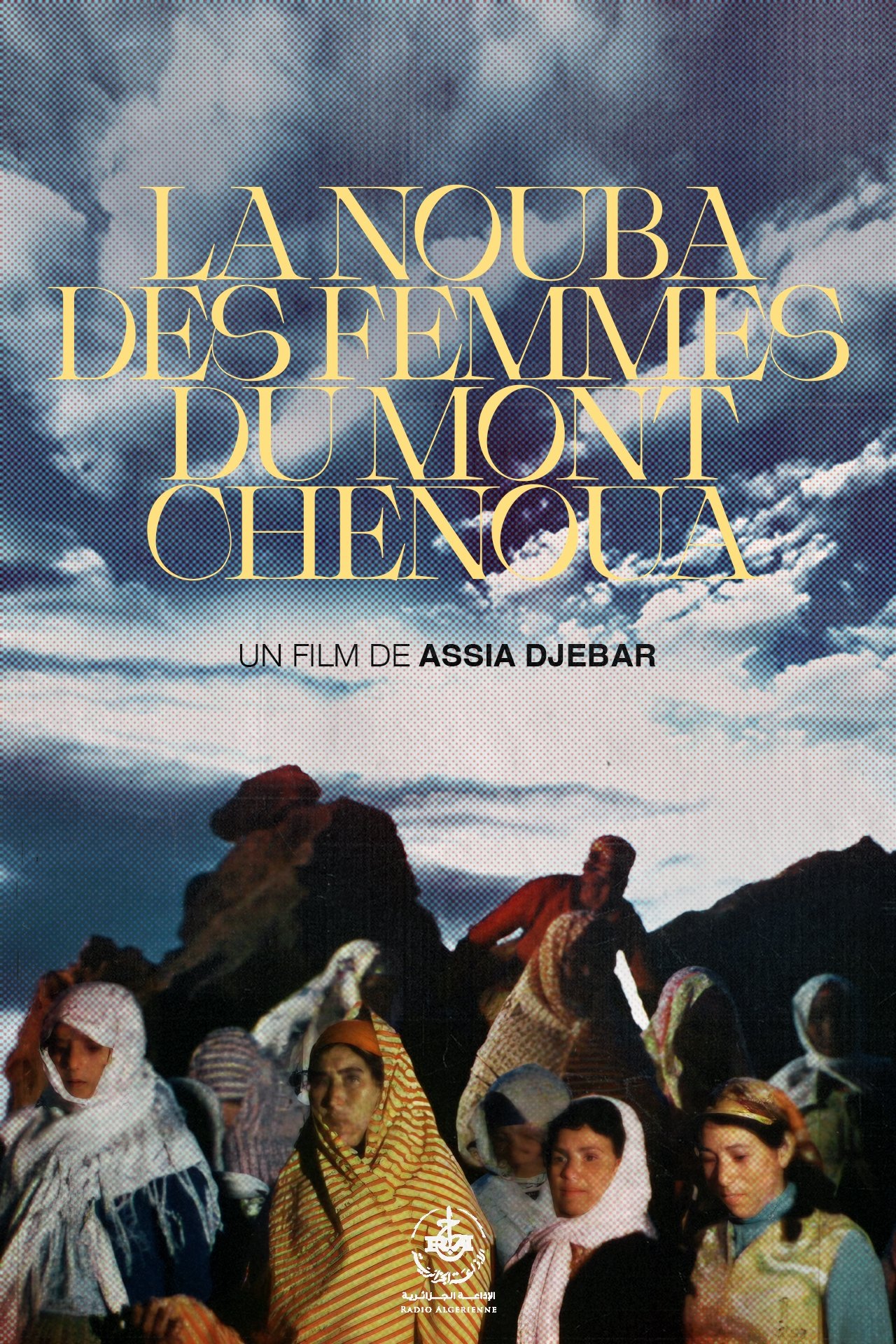
The Nouba of the Women of Mount Chenoua
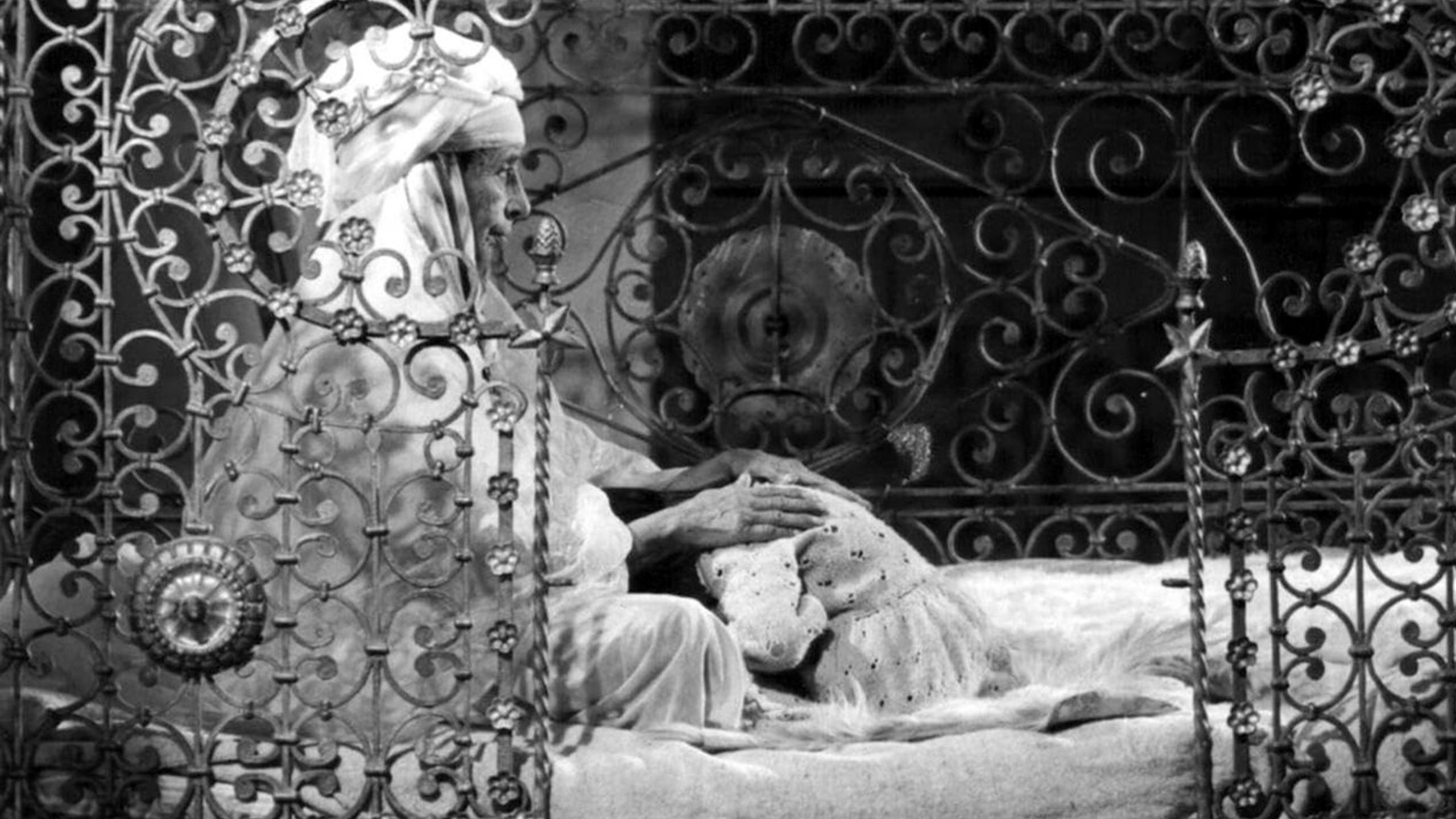
Writer and filmmaker Assia Djebar explores Algerian history, the psychological impact of war, and post-colonial female identity in this 1979 classic of film literature. Named for (and taking its structure from) a traditional song with five distinct movements, the film combines documentary-style observation with loose narrative form to tell the story of Lila, an Algerian expatriate returning to her country 15 years after independence has been won. In comparing her life with the lives and experiences of rural Algeriennes, Lila is able to put her childhood demons to rest and discover a new history -- one written in the ongoing strength of generations of women. Like much of Djebar's writing, the film has a strong subtext dealing with resistance to patriarchy and women's desire to appropriate the means of power and expression -- one of which, of course, is the filmmaker's camera.
Insights
Plot Summary
This film offers a powerful glimpse into the lives of women in a remote Algerian village during the colonial era. It focuses on their resilience, traditions, and the quiet struggles they face in a patriarchal society. The narrative weaves together personal stories, highlighting their connection to the land and their inner strength amidst historical turmoil.
Critical Reception
Acclaimed for its artistic vision and sensitive portrayal of Algerian women's experiences, "The Nouba of the Women of Mount Chenoua" is considered a significant work in feminist and postcolonial cinema. It received praise for its visual poetry and the nuanced performances of its cast.
What Reviewers Say
Praised for its unique perspective on female experience in Algeria.
Celebrated for its poetic cinematography and atmospheric storytelling.
Considered an important, though not widely seen, piece of world cinema.
Google audience: Information regarding Google user reviews for this film is not readily available.
Awards & Accolades
Awarded the 'Golden Prize' at the 1979 Fifth International Festival of Women's Films in New York.
Fun Fact
The film was shot on location in Algeria, allowing for an authentic depiction of the landscapes and cultural milieu of the time.
AI-generated overview · Verify ratings on official sources