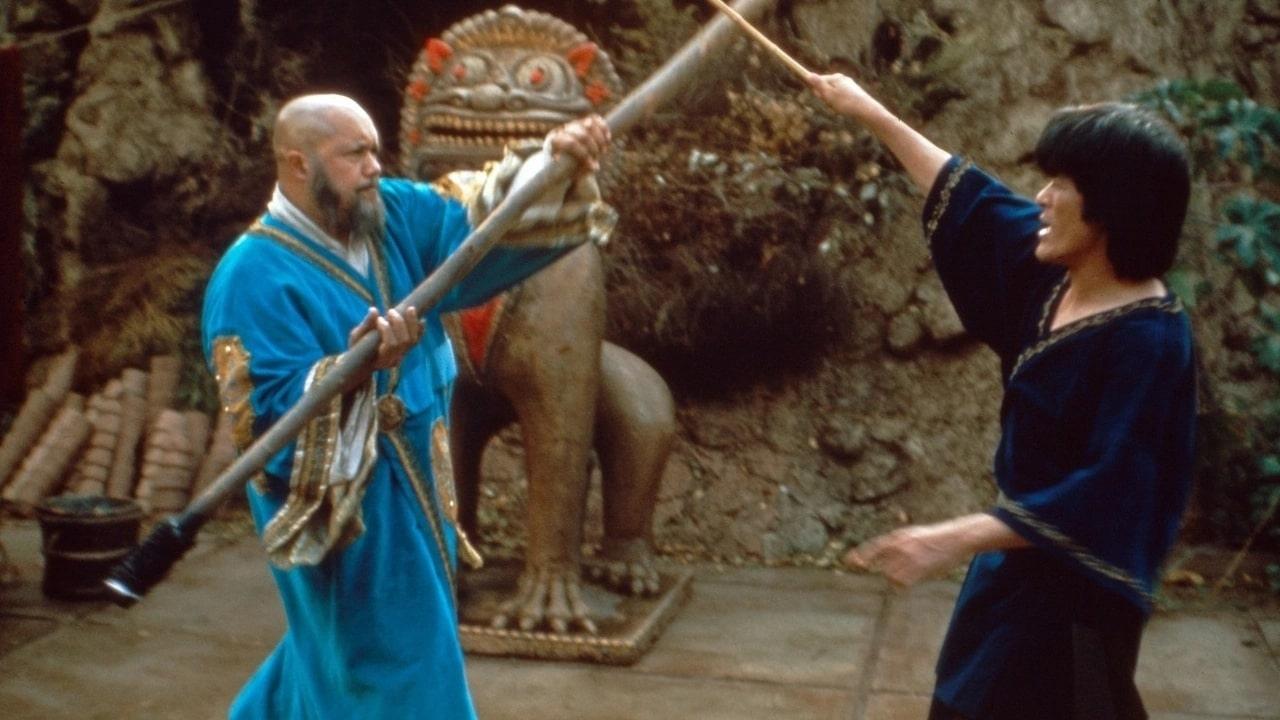
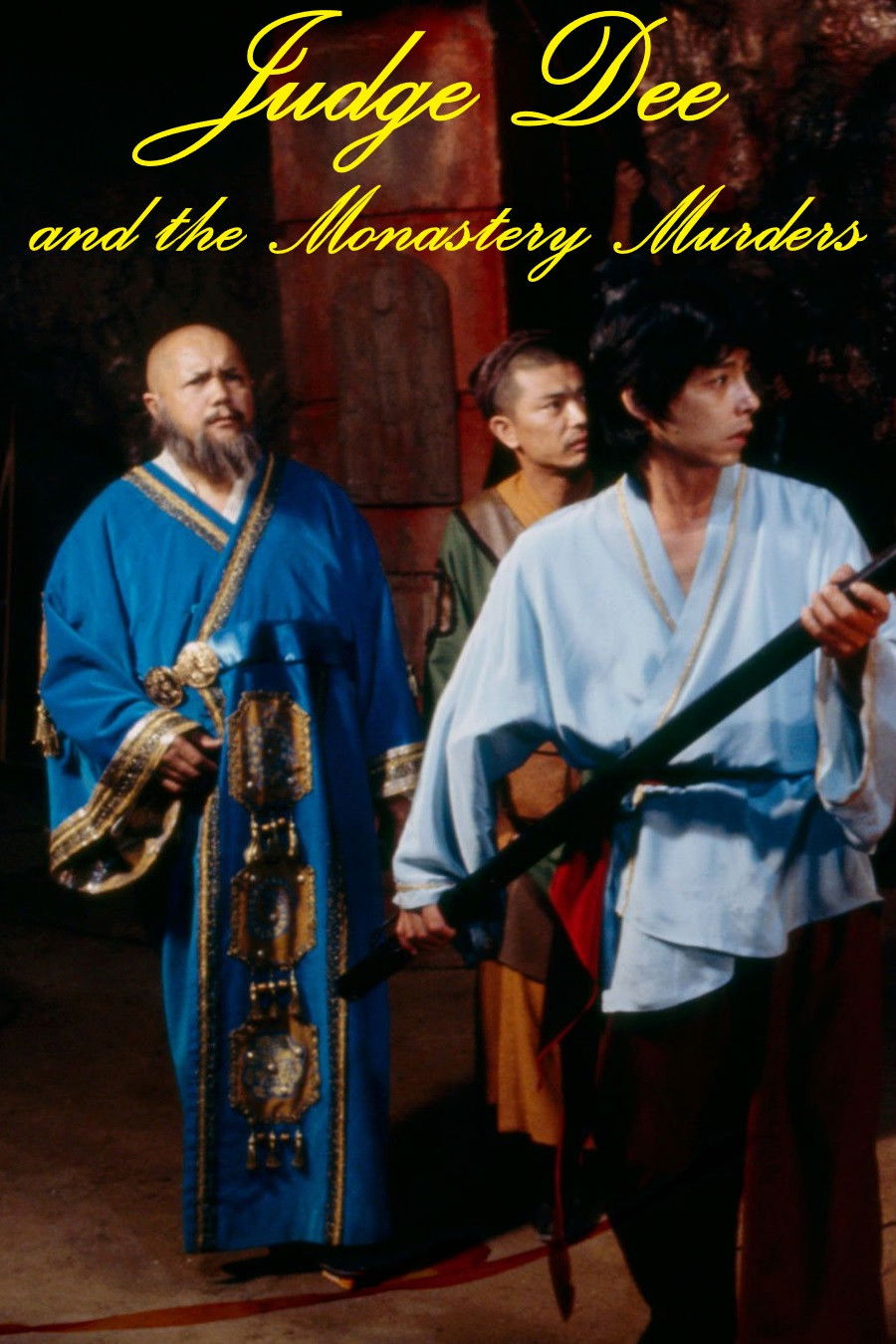
Movie spotlight
Judge Dee and the Monastery Murders
China, 7th century. On their way to a provincial center Judge Dee and his three wives spend the night at a Taoist monastery. Soon the judge discovers that the secluded place holds a secret - the former abbot died of unnatural causes. After a number of mysterious events and more cases of murder Dee tracks down the true villain.
Insights
Plot Summary
In this made-for-television film, the astute magistrate Judge Dee is called upon to investigate a series of mysterious deaths plaguing a Buddhist monastery. As he delves deeper into the temple's secrets, he uncovers a tangled web of greed, deception, and forbidden desires among the monks and abbots. Judge Dee must use his keen intellect to unravel the conspiracy before the killer strikes again.
Critical Reception
Judge Dee and the Monastery Murders received generally positive reviews, with critics praising its atmospheric presentation and Lonsdale's performance. While not a blockbuster, it was considered a well-crafted mystery film that successfully adapted the classic Judge Dee character to the screen.
What Reviewers Say
Praised for its intricate plot and suspenseful atmosphere.
Michael Lonsdale's portrayal of Judge Dee was frequently highlighted as a strong point.
Some found the pacing a bit slow, but the resolution was generally satisfying.
Google audience: Audience reviews are scarce for this made-for-television film, but existing comments often point to its effectiveness as a period mystery, appreciating the detailed setting and the judge's deductive reasoning.
Fun Fact
The film is based on the character of Judge Dee, a semi-fictional Chinese magistrate who lived during the Tang Dynasty, created by Dutch sinologist Robert van Gulik.
AI-generated overview · Verify ratings on official sources