Movie spotlight
The Changing Shape of Cinema: The History of Aspect Ratio
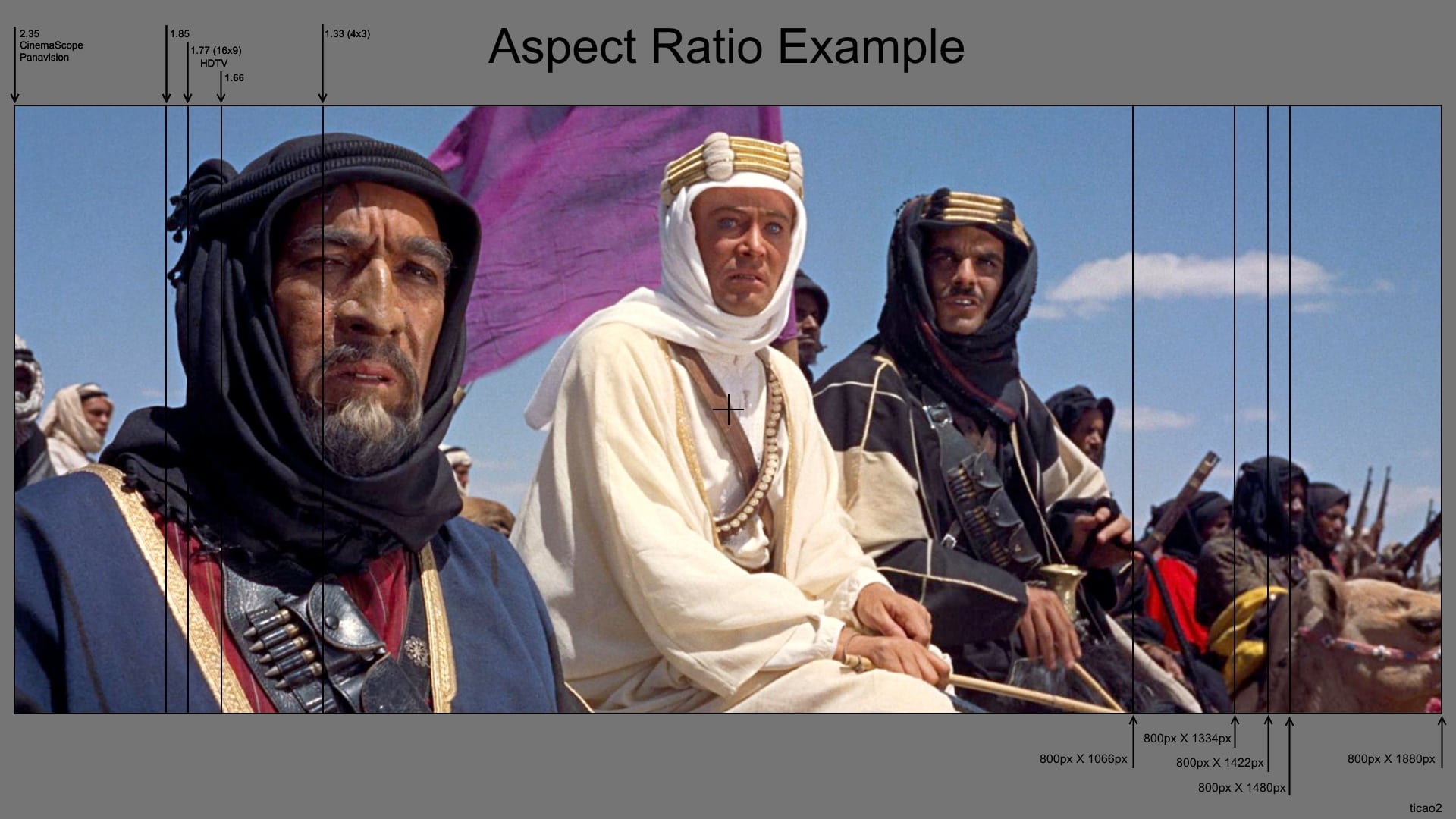
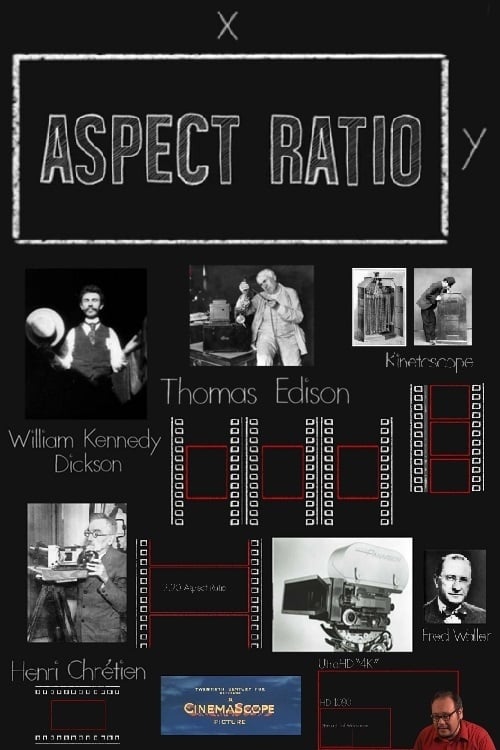
John Hess traces the evolution of the screen shape from the silent film days through the widescreen explosion of the 50s, to the aspect ratio of modern digital cameras. This lesson is part of the FilmmakerIQ course: "Everything You Need To Know about Aspect Ratio".
Insights
Plot Summary
This short documentary explores the evolution of aspect ratios in filmmaking, from the early days of silent cinema to the widescreen formats that became popular in the mid-20th century. It visually demonstrates how different aspect ratios have shaped the way stories are told and how audiences perceive cinematic images. The film delves into the technical and artistic reasons behind these changes.
Critical Reception
As a short, educational documentary, critical reception is less formalized. However, it is generally appreciated for its concise and visually engaging explanation of a complex topic in film history. It serves as a useful primer for students and cinephiles interested in the technical aspects of filmmaking.
What Reviewers Say
Praised for its clear and accessible explanation of aspect ratio history.
Appreciated for its visual examples and concise runtime.
Seen as a valuable educational tool for understanding film technology.
Google audience: Information on specific Google user reviews for this short documentary is not readily available. However, similar educational shorts on film history typically receive positive feedback for their informative content and efficient presentation.
Fun Fact
The transition to widescreen formats like CinemaScope in the 1950s was partly a response to the rise of television, aiming to offer audiences a more immersive and spectacular viewing experience that couldn't be replicated at home.
AI-generated overview · Verify ratings on official sources