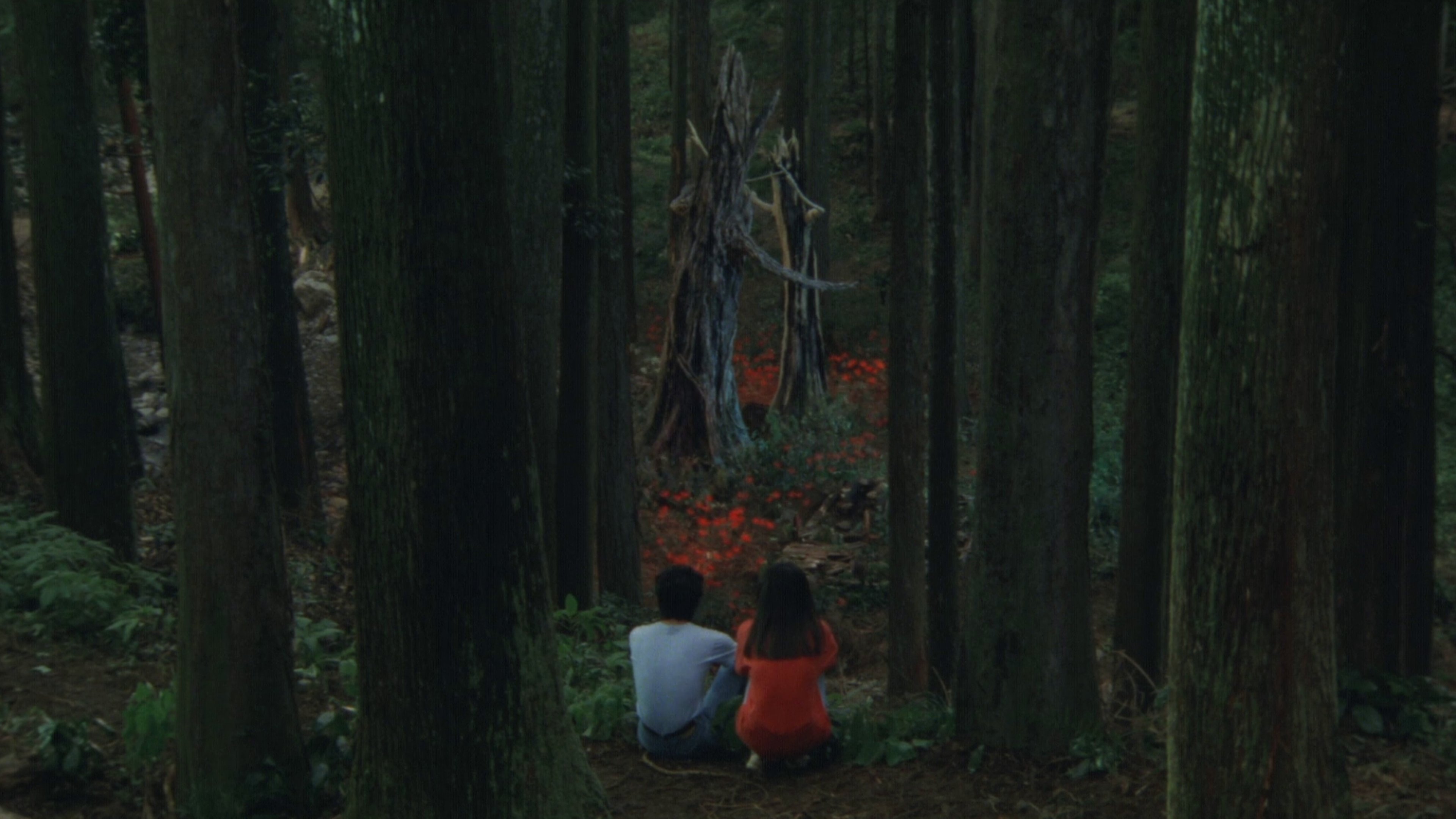

Rhapsody in August
An elderly Nagasaki hibakusha spends a summer caring for her four grandchildren, whose curiosity about the 1945 bombing stirs buried memories and moral questions. When an American nephew from Hawaii visits, the family confronts grief, guilt, and the possibility of reconciliation across generations.
Insights
Plot Summary
An elderly widow in Nagasaki, who survived the atomic bombing, is visited by her grandchildren during the Obon festival. As they reminisce and reflect on their family history, the conversation turns to the trauma of war and the importance of peace, particularly for the younger generation who did not directly experience it.
Critical Reception
Rhapsody in August received generally positive reviews, with critics praising Kurosawa's poignant and reflective approach to themes of memory, family, and the lasting impact of war. Some found the film's pace deliberate, but many appreciated its emotional depth and powerful anti-war message.
What Reviewers Say
- Praised for its gentle, reflective storytelling and Kurosawa's masterful direction.
- Appreciated for its powerful anti-war themes and exploration of intergenerational connection.
- Some viewers found the pacing slow, but its emotional resonance was widely acknowledged.
Google audience: Audience reviews are not readily available for detailed breakdown, but general sentiment indicates appreciation for its mature and thoughtful exploration of Japanese history and family dynamics.
Fun Fact
Akira Kurosawa was nearing 80 years old when he directed 'Rhapsody in August', making it one of his later works and a testament to his enduring passion for filmmaking.
AI-generated overview · Verify ratings on official sources