Movie spotlight
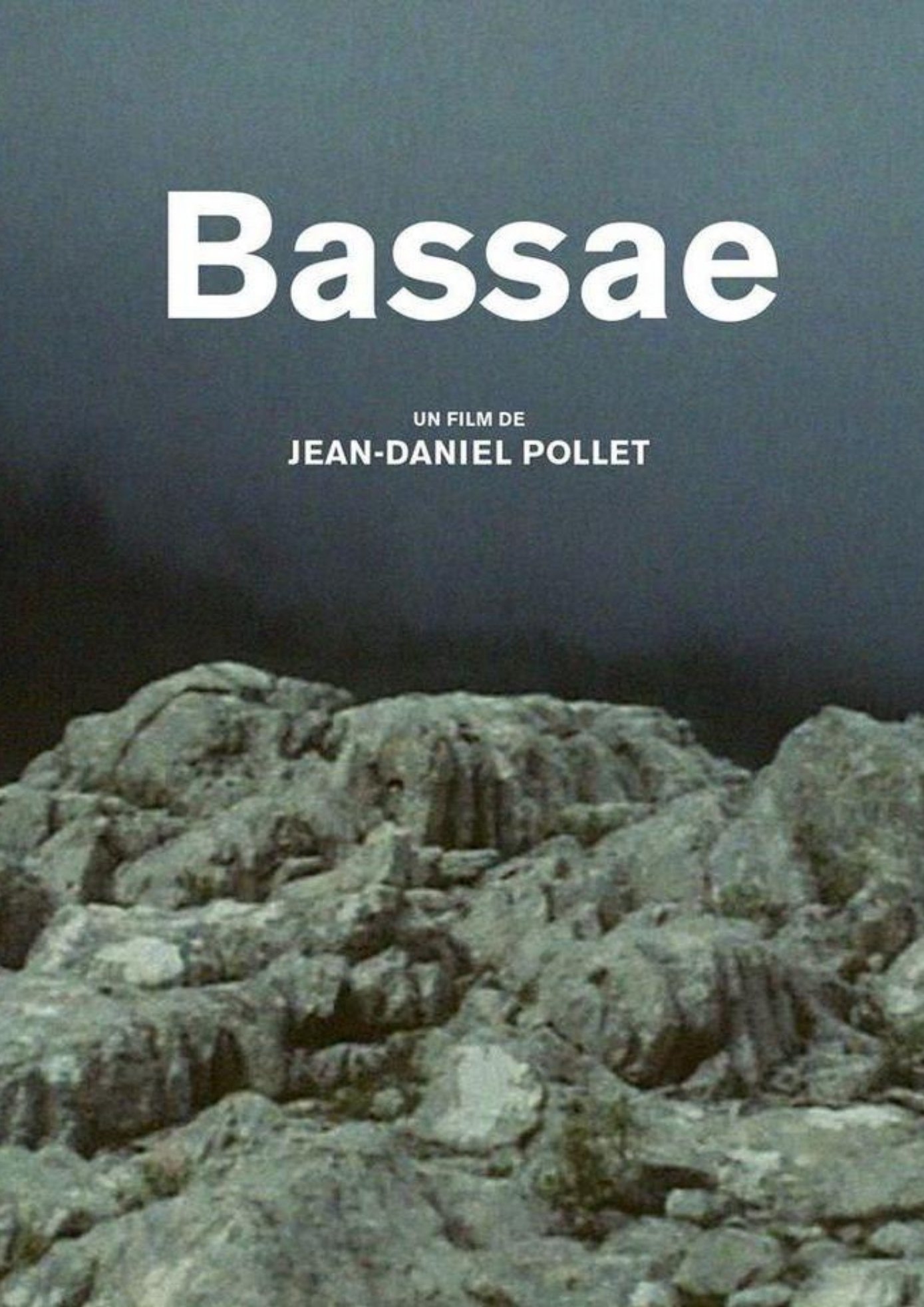
Bassae
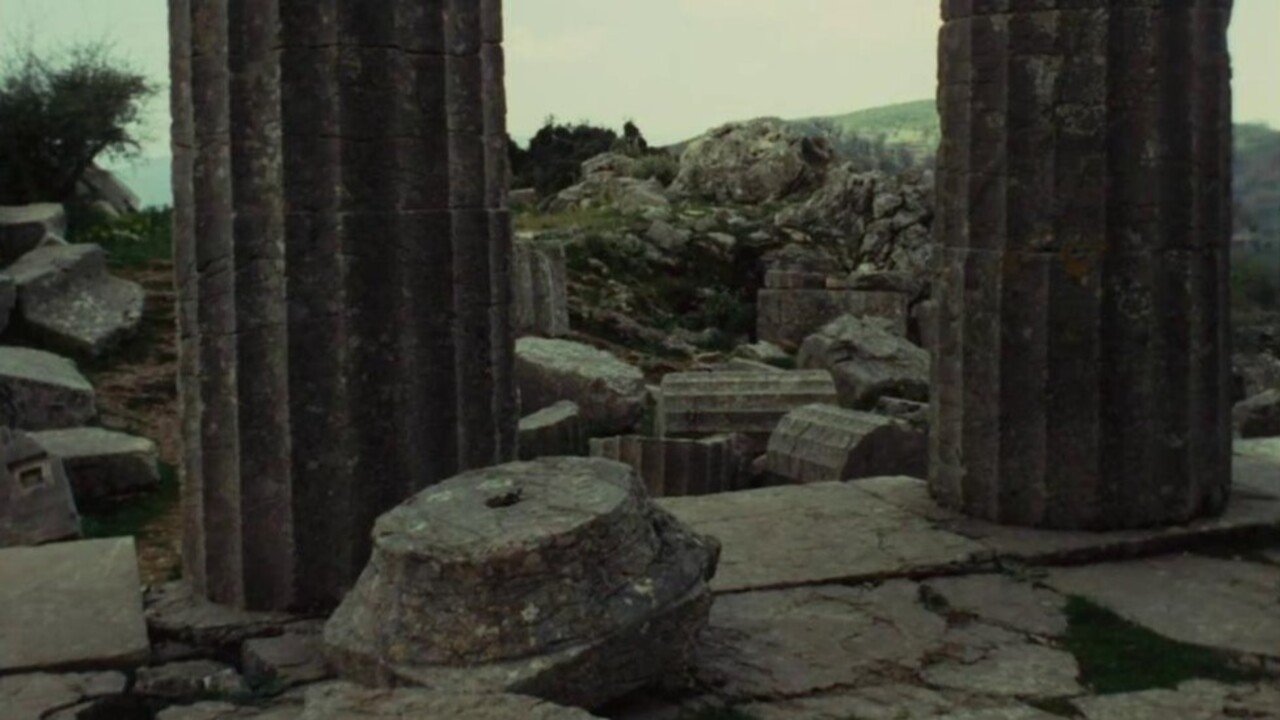
"I was interested by the fact that some old guy, after the Parthenon’s glamour, devoted himself in a much smaller temple, where there was no white marble, no nothing. All Greek temples are dedicated to Apollo etc, and this particular one was not dedicated to anyone and is in a place where there never was a city nearby, in a kind of wasteland, in a ditch. But, just by going up a bit –you are in the centre of Peloponissos- on a clear day, you can see the sea on both your left and right. I went back there, at least six, seven or eight times, as if I wanted to think or find myself. So, at the temple in Bassae, I made a short 10 minute film and I was lucky enough to encounter two days of clouds and mist between the columns."
Insights
Plot Summary
This documentary offers a look at the Temple of Apollo Epicurius at Bassae, a significant archaeological site in Greece. It explores the history, architecture, and cultural importance of the temple, showcasing its enduring legacy amidst its remote mountain setting.
Critical Reception
As a documentary focusing on a specific historical site, 'Bassae' did not receive widespread theatrical reviews in the traditional sense. Its reception is more aligned with its value as an educational and historical piece, appreciated by those interested in ancient Greek architecture and archaeology.
What Reviewers Say
Focuses on the historical and architectural significance of the Temple of Apollo.
Provides a visual exploration of a remote and important archaeological site.
Appreciated for its educational content regarding ancient Greek history.
Google audience: Information regarding specific audience reception or reviews for this particular documentary on Google platforms is not readily available.
Fun Fact
The Temple of Apollo Epicurius at Bassae is known for its unusual combination of architectural orders and its remote, mountainous location, making it a challenging but rewarding site for archaeologists and visitors alike.
AI-generated overview · Verify ratings on official sources