
LJ_989
This film is very dreamy and has a 2001 feel. The story is romantic and lends itself to an inevitable doom. The music is intertwined beautifully and the acting is phenomenal.
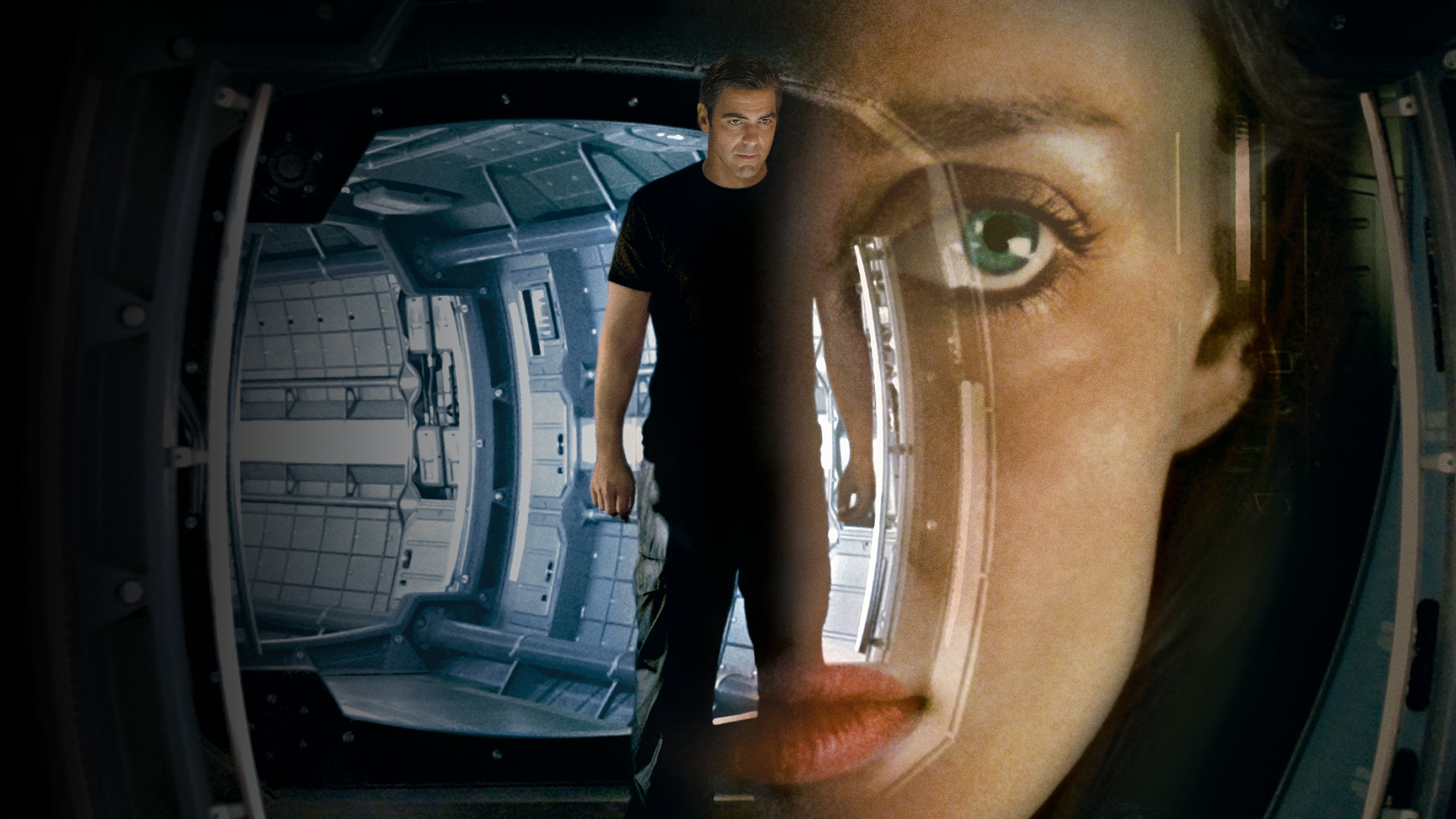
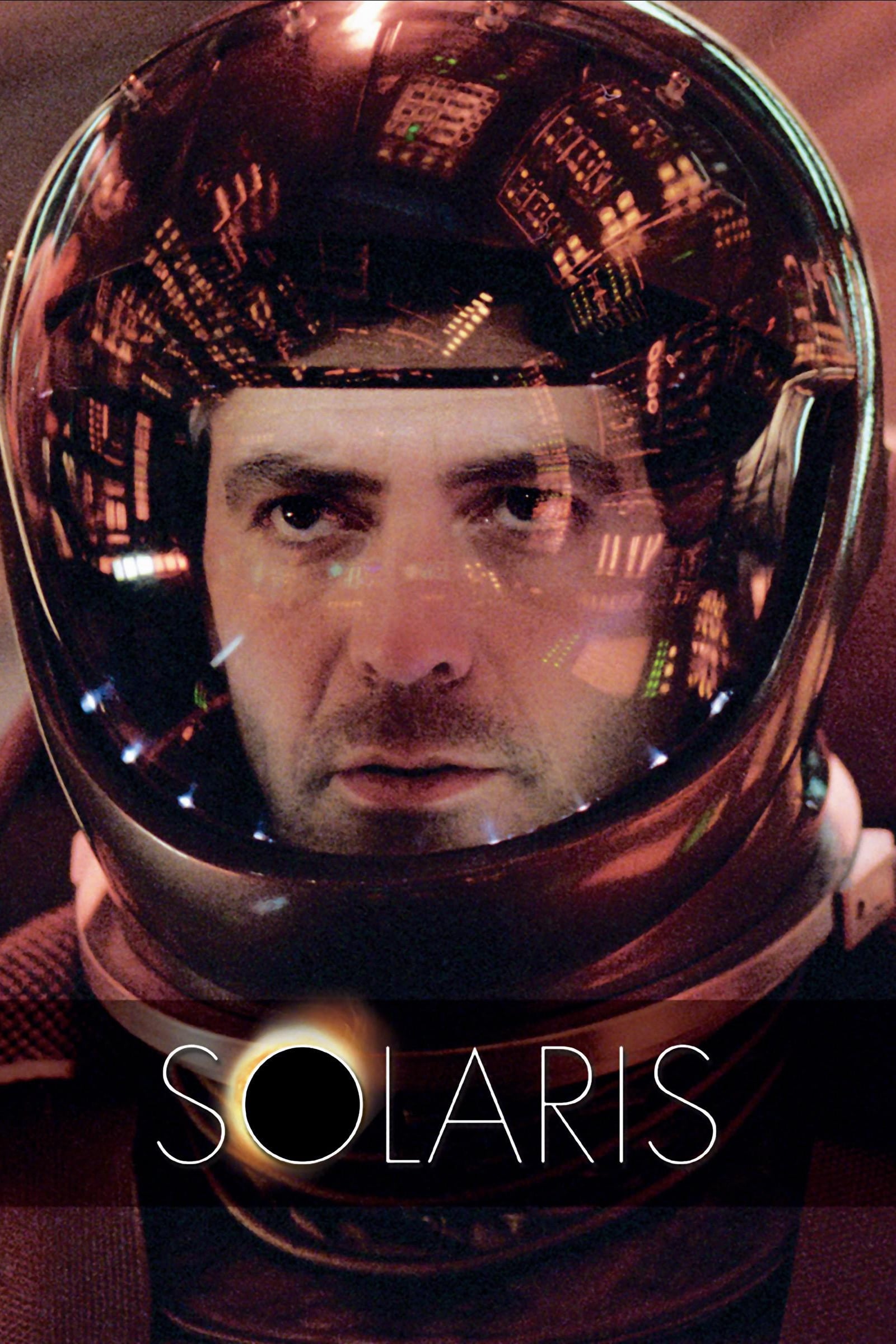
Movie spotlight
A troubled psychologist is sent to investigate the crew of an isolated research station orbiting a bizarre planet.
Psychologist Chris Kelvin is sent to a space station orbiting the mysterious planet Solaris to investigate the bizarre psychological issues plaguing the crew. Upon arrival, he finds only two survivors and discovers that the planet itself seems to be manifesting physical manifestations of his own repressed memories and guilt, particularly in the form of his deceased wife, Rheya. Kelvin must confront his past and the nature of Solaris to understand what is happening and find a way to survive.
Solaris received mixed to positive reviews from critics, with many praising its atmospheric tension, thought-provoking themes, and George Clooney's performance. However, some critics found it too slow-paced and less engaging than its 1972 predecessor, particularly in its departure from the philosophical depth of the original novel and film.
Praised for its moody atmosphere and cerebral approach to science fiction.
George Clooney's restrained performance was a highlight for many.
Criticized by some for its deliberate pacing and a perceived lack of emotional depth compared to its source material.
Google audience: Audiences were generally divided, with many appreciating the film's introspective and mature themes, finding it a unique and atmospheric sci-fi experience. However, a significant portion found the pacing too slow and the narrative less compelling than expected, leading to some disappointment.
Nominated for a Saturn Award for Best Science Fiction Film.
The film's minimalist score was composed by composer Jeff Danna and largely consists of ambient electronic textures designed to enhance the unsettling atmosphere of the space station and the planet Solaris.
AI-generated overview · Verify ratings on official sources
This film is very dreamy and has a 2001 feel. The story is romantic and lends itself to an inevitable doom. The music is intertwined beautifully and the acting is phenomenal.