Movie spotlight
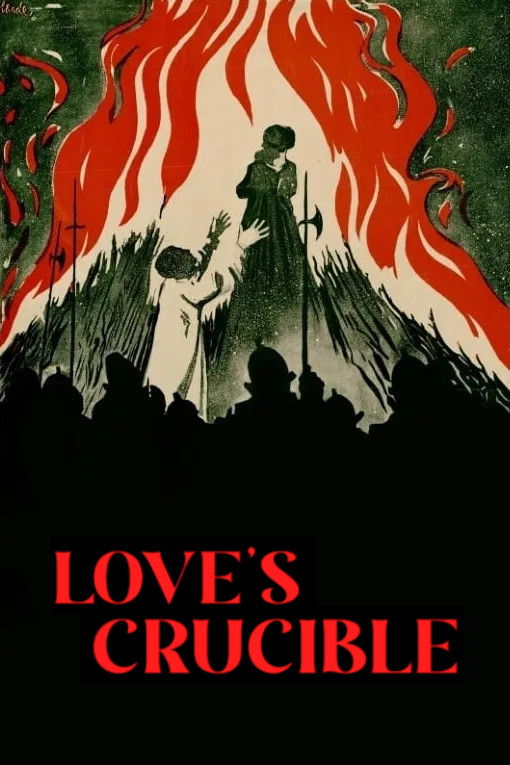
Love's Crucible
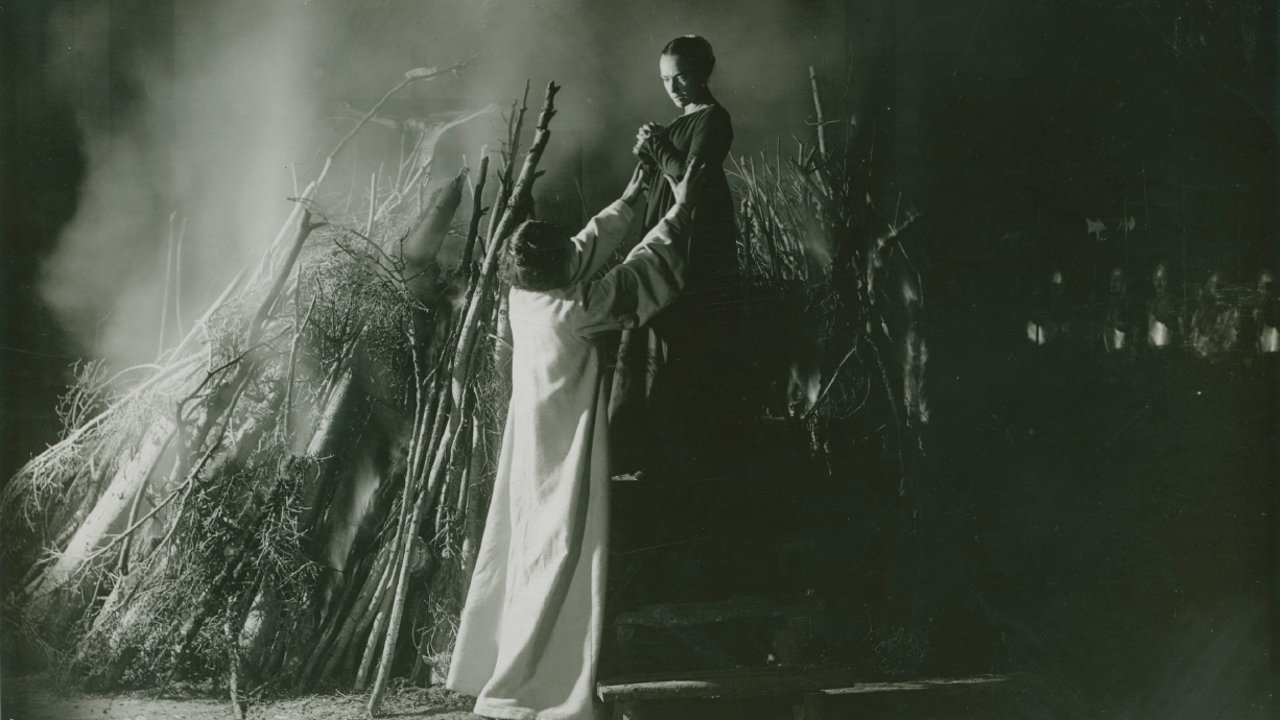
At the end of the middle ages, Ursula is accused of having poisoned her own husband. She claims she is innocent, but to prove it, she must submit to a ritual: trial by fire, walking on fire along a path leading directly to a crucifix. A film that has been much commended for the visual creativity shown by the director in successive blending in of images involving Ursula, her husband, the Virgin Mary, and Jesus Christ. Much applauded, also: the performance of Jenny Hasselqvist, thus described by French director René Clair: “We shall never forget her flaming eyes, the severity of her spirit, her abrupt and alarmed expressions, like an animal under threat.”
Insights
Plot Summary
The film tells the story of a young woman's complex emotional journey as she navigates love, betrayal, and societal expectations in early 20th-century Russia. She finds herself entangled in a passionate but ultimately destructive relationship, leading to profound personal growth and difficult choices.
Critical Reception
As a silent film from the early 1920s, contemporary critical reception is difficult to ascertain through modern aggregated sources. However, Jean Epstein's early works are generally lauded for their artistic merit and visual innovation within the silent film era.
What Reviewers Say
Pioneering visual style for its time.
Explores complex emotional themes with artistic depth.
A significant example of early European cinema.
Google audience: Information on Google user reviews for this film is not available due to its age and limited contemporary distribution.
Fun Fact
Jean Epstein was a key figure in the French Impressionist film movement, known for his experimental techniques and exploration of psychological depth in cinema.
AI-generated overview · Verify ratings on official sources