Movie spotlight
The Barbarians
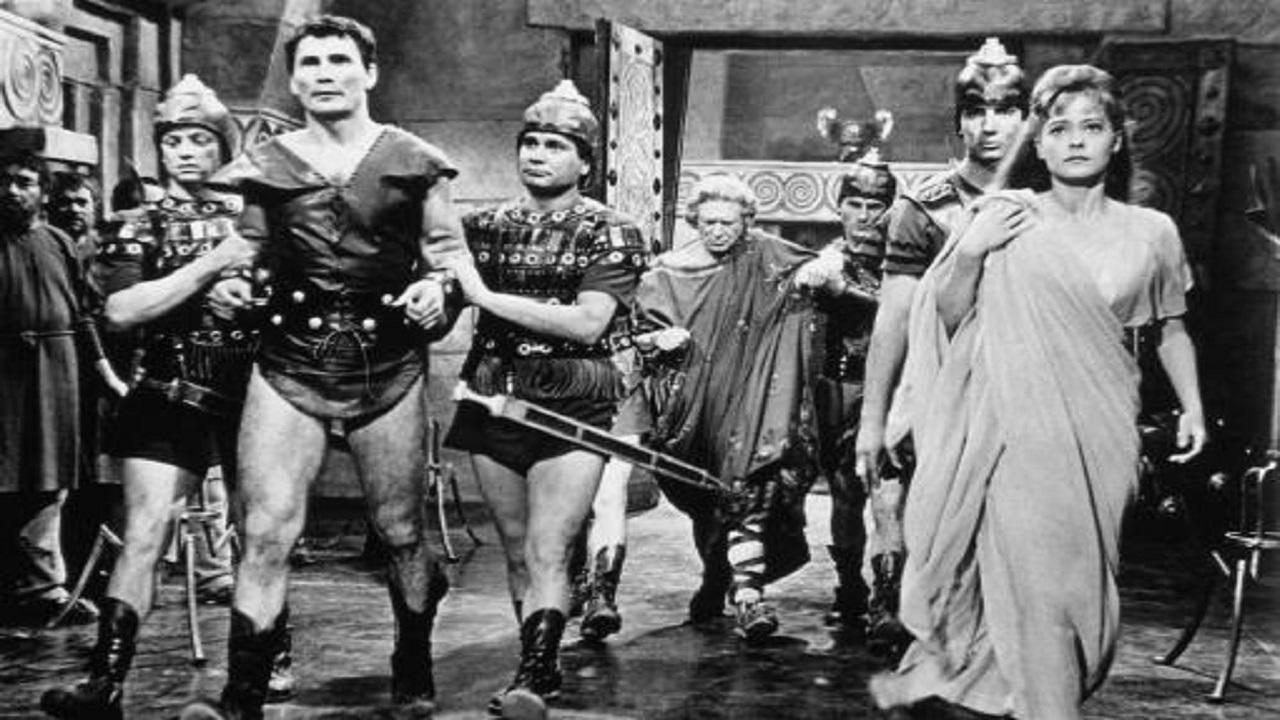
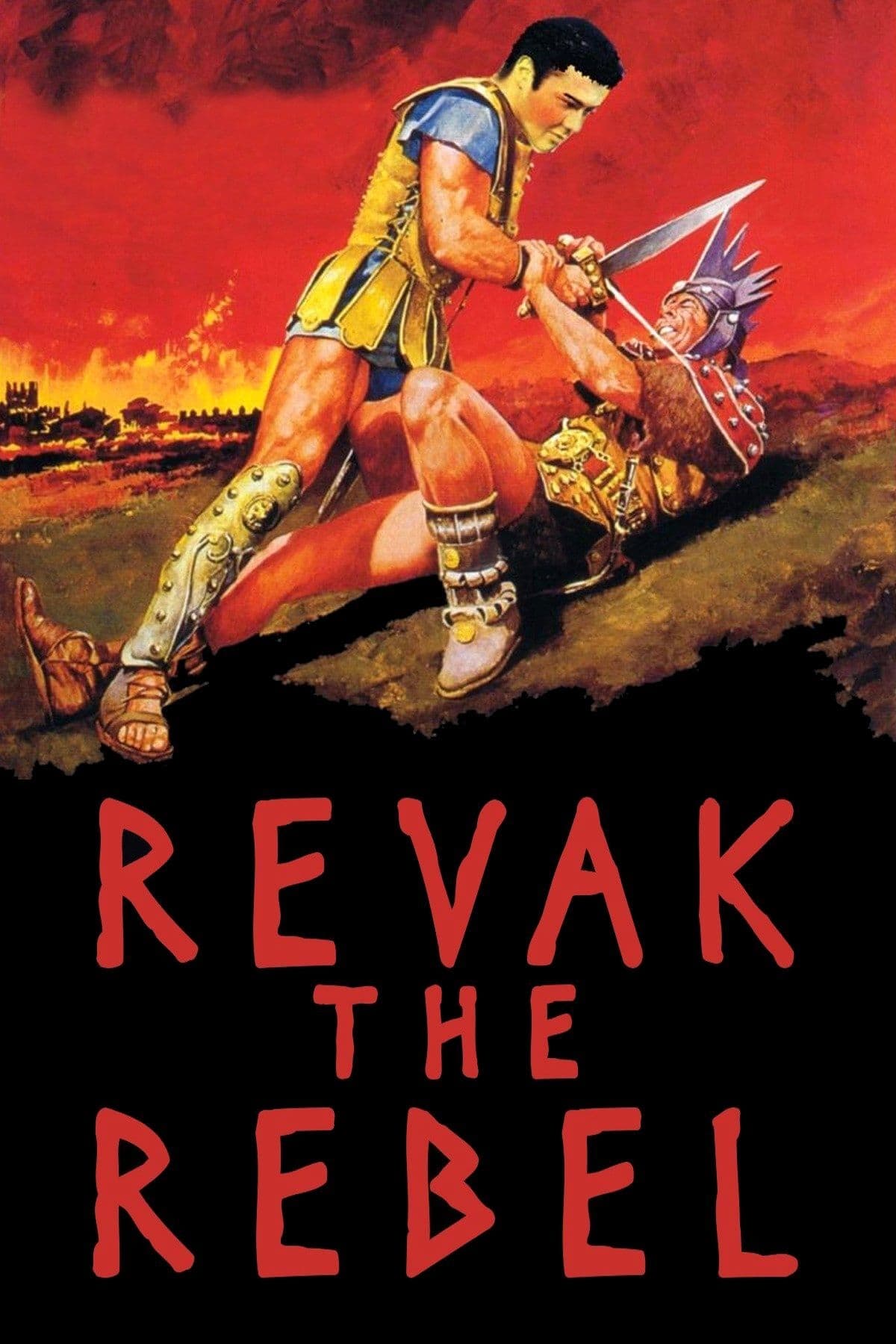
Revak is an Iberian prince from Penda, a small island where the Carthagian fleet ransacked and enslaved the surviving native men, including him. After an eventful passage aboard a galley, Revak becomes an elephant driver in Carthage city, and could become the favorite of mighty women, but has only one thirst: bloody revenge, at all cost, so the barbarian makes common cause with the attacking Romans, Carthage's historical enemy and rival for Mediterranean hegemony, scorning love...
Insights
Plot Summary
In ancient times, two brothers are separated by circumstance and raised in vastly different worlds. One becomes a mighty warrior and leader, while the other falls under the sway of a wicked sorceress. Their paths eventually cross, leading to a confrontation that will determine the fate of their people and their own destinies.
Critical Reception
The Barbarians (1960) is a lesser-known peplum film that generally received modest critical attention upon its release. It is often viewed as a typical example of its genre, offering straightforward adventure and spectacle without significant critical depth. Audience reception tends to be mixed, appreciating its historical setting and action sequences but sometimes finding its plot predictable or its performances uneven.
What Reviewers Say
Praised for its period action and visual presentation.
Criticized for a somewhat formulaic plot and character development.
Enjoyed by fans of classic sword-and-sandal epics.
Google audience: Google user reviews are scarce for this older title, but those available often highlight the film's straightforward adventure narrative and historical setting as enjoyable elements, while some note its dated production values and predictable story arc.
Fun Fact
The film is a co-production between Italy and France, often referred to by its Italian title, 'Le legioni di Cleopatra' (The Legions of Cleopatra), despite its primary focus not being solely on Cleopatra herself.
AI-generated overview · Verify ratings on official sources