
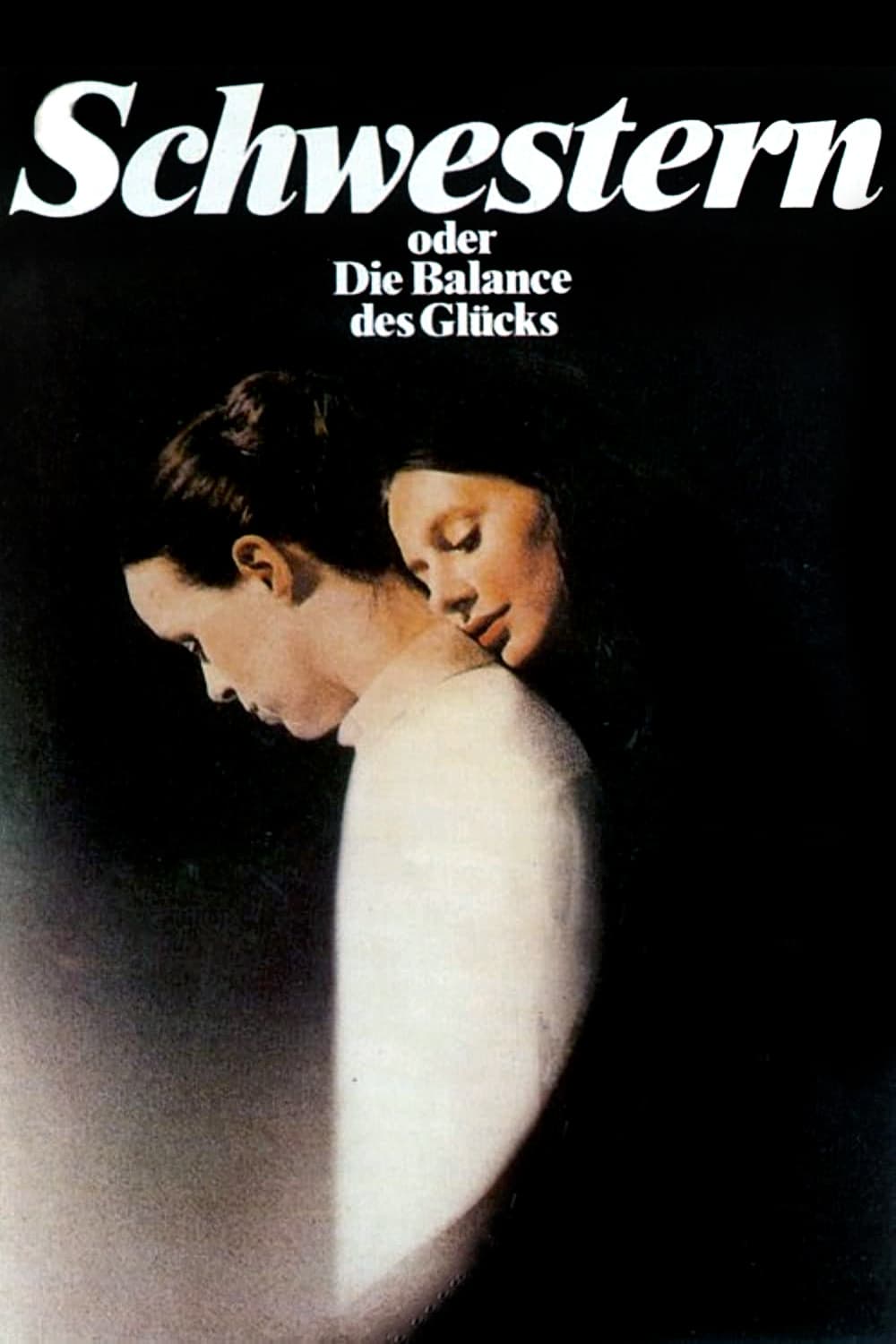
Sisters, or The Balance of Happiness
Sisters Maria and Anna live together. Maria is a most proficient executive secretary, encouraging Anna to finish her studies and start a career. Anna broods, threatens to quit university, takes pills, and keeps a diary. When Maria's relationship with Maurice, the son of her boss, starts to lead to love, Anna takes a selfish and drastic step that plummets Maria into solitude. No longer able to connect with Maurice, Maria does establish a relationship with Miriam, a typist at her office who becomes a surrogate younger sister. But Maria is intrusive as well as helpful. Can this or any relationship work out for this talented woman whose past seems to choke her soul?
Insights
Plot Summary
The film explores the complex and often fraught relationship between two sisters, Marie and Michelle, who are bound by shared experiences and a deep, albeit sometimes destructive, love. Set against the backdrop of their childhood and adult lives, the narrative delves into their individual desires, struggles, and the ways in which they influence each other's destinies. Their bond is tested by personal ambitions, romantic entanglements, and the persistent shadow of their past. The story unfolds with a non-linear structure, mirroring the fragmented nature of memory and the subjective experience of emotion. As the sisters navigate their lives, their choices and reactions are intricately linked, highlighting the profound impact they have on one another. The film captures the subtleties of their connection, showcasing both its nurturing and suffocating aspects.
Critical Reception
"Sisters, or The Balance of Happiness" received a mixed but generally positive reception, particularly noted for its introspective and character-driven narrative. Critics often praised Marguerite Duras's distinctive directorial style, her exploration of female relationships, and the performances of the lead actors. However, some found the film's pacing and thematic density challenging, leading to varied opinions on its overall impact. It is considered a significant work within Duras's filmography, appreciated for its artistic ambition and its unflinching look at the complexities of sisterhood.
What Reviewers Say
- Praised for its intimate and poetic exploration of sisterly bonds and female identity.
- Appreciated for Marguerite Duras's auteurist vision and nuanced character studies.
- Found to be slow-paced and thematically dense by some critics, requiring a patient viewer.
Google audience: Information on Google user reviews for this specific film is not readily available.
Fun Fact
Marguerite Duras, the director, was a celebrated novelist before becoming a filmmaker, and many of her films, including "Sisters, or The Balance of Happiness," are known for their literary qualities and introspective themes.
AI-generated overview · Verify ratings on official sources