
Movie spotlight
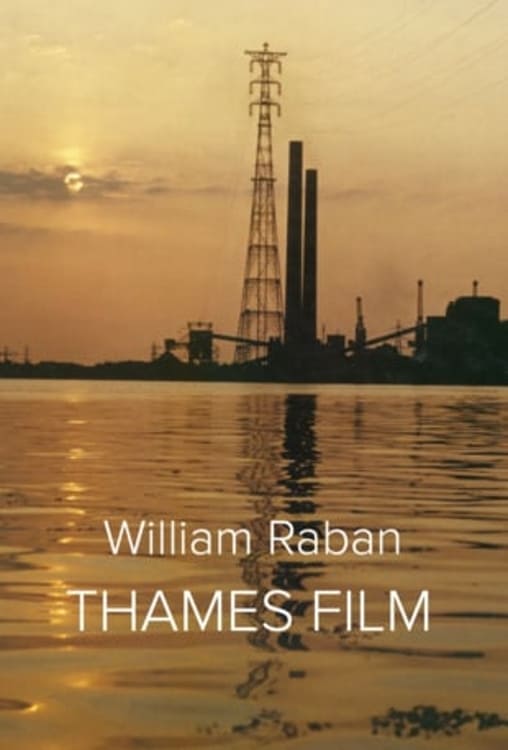
Thames Film
This movie is an experimental documentary following the flow of the Thames out of London to the sea. It has a narration from John Hurt that takes the form of reading old manuscripts, books and news articles, and also a posthumous narration from poet TS Eliot reading from his own work, The Dry Salvages from the Four Quartets. Engravings, paintings, and archival film are juxtaposed against the contemporary footage, including Pieter Breughel the Elder's "The Triumph of Death" (c.1562) from the Prado Museum.
Insights
Plot Summary
This documentary explores the history and significance of the River Thames. It delves into its evolution as a vital artery of trade, transport, and life for London and beyond. The film showcases the river's role through various historical periods, highlighting its impact on industry, culture, and the city's development.
Critical Reception
As a documentary focused on historical and geographical aspects, "Thames Film" was primarily appreciated for its educational value and comprehensive overview of the river's importance. It was noted for its archival footage and informative narration, offering a solid historical perspective for viewers interested in London's heritage.
What Reviewers Say
Praised for its in-depth historical coverage of the River Thames.
Valued as an informative and educational documentary.
Noted for its presentation of London's rich heritage through the river.
Google audience: Information regarding specific audience reception on Google is not readily available for this documentary.
Fun Fact
The film likely utilized extensive archival footage and historical maps to illustrate the Thames's changing landscape and importance over centuries.
AI-generated overview · Verify ratings on official sources