
Movie spotlight
Salomé
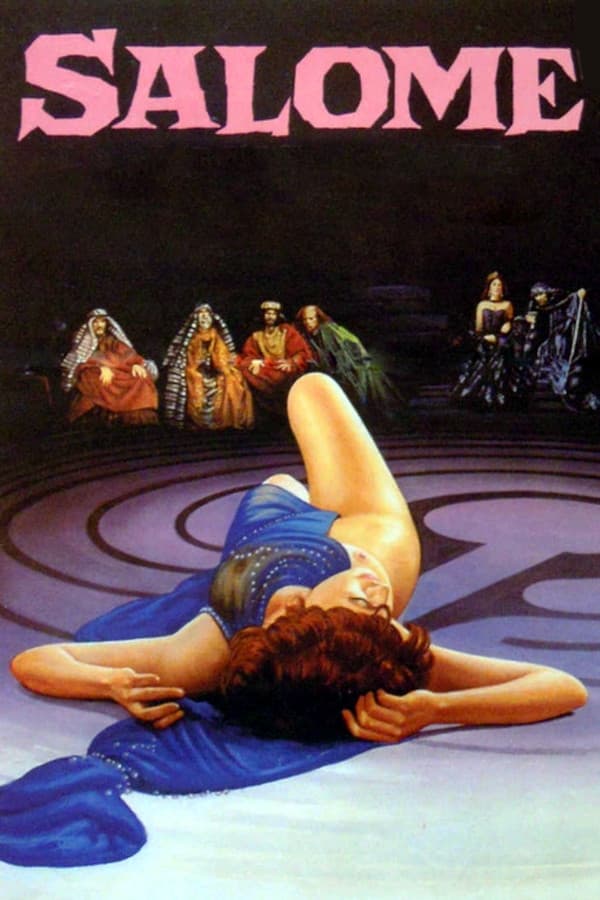
John the Baptist, the prophet of Israel, is imprisoned by Herod, governor of Judea for protesting Herod's marriage to his brother's wife. Jealousies rage and Herod's step-daughter and niece Salome seduces Herod by means of a torrid dance to give her the head of the prophet - but then tries to save the life of the man she has thus condemned. Updated to a WWII setting
Insights
Plot Summary
This experimental film is Carmelo Bene's reinterpretation of the biblical story of Salomé, focusing on themes of power, desire, and the grotesque. Bene employs avant-garde techniques, blurring the lines between theater and cinema, and presenting a highly stylized and disturbing vision of the notorious dancer's seduction of John the Baptist. The narrative eschews traditional storytelling for a more abstract and visceral experience.
Critical Reception
Carmelo Bene's 'Salomé' is a polarizing and challenging work, often praised by cinephiles for its artistic audacity and confrontational style, while criticized by others for its obscurity and perceived self-indulgence. It is recognized as a significant entry in avant-garde and experimental cinema, reflecting Bene's unique theatrical and directorial approach.
What Reviewers Say
Praised for its radical visual style and intense performances.
Criticized for its challenging narrative structure and perceived pretentiousness.
Seen as a significant, albeit divisive, work within experimental film.
Google audience: Audience reception data is not readily available for this highly specialized film.
Fun Fact
Carmelo Bene, known for his highly idiosyncratic approach to performance and direction, often stated that his films were not meant to be 'understood' in a conventional sense, but rather to be experienced emotionally and viscerally.
AI-generated overview · Verify ratings on official sources