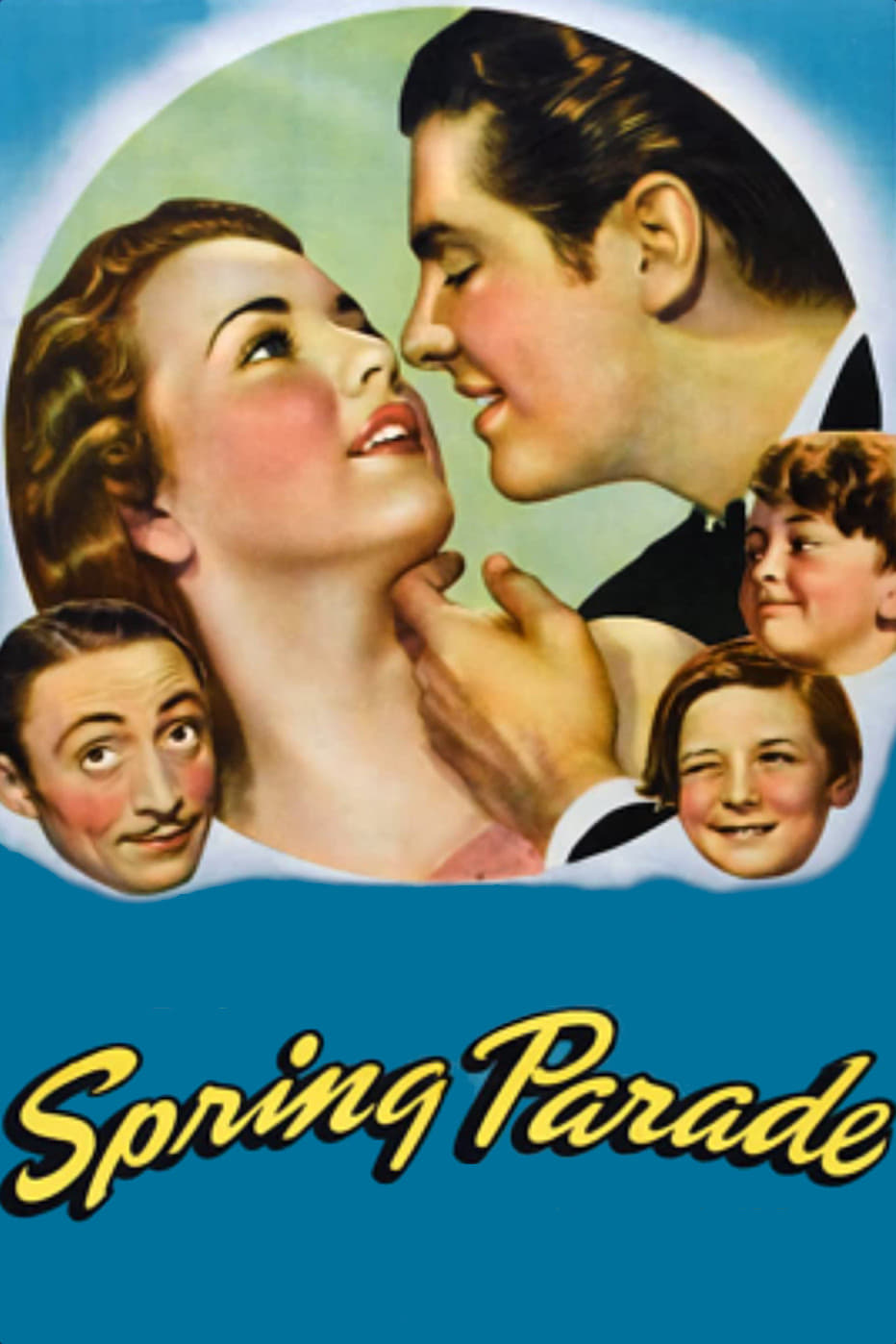


Spring Parade
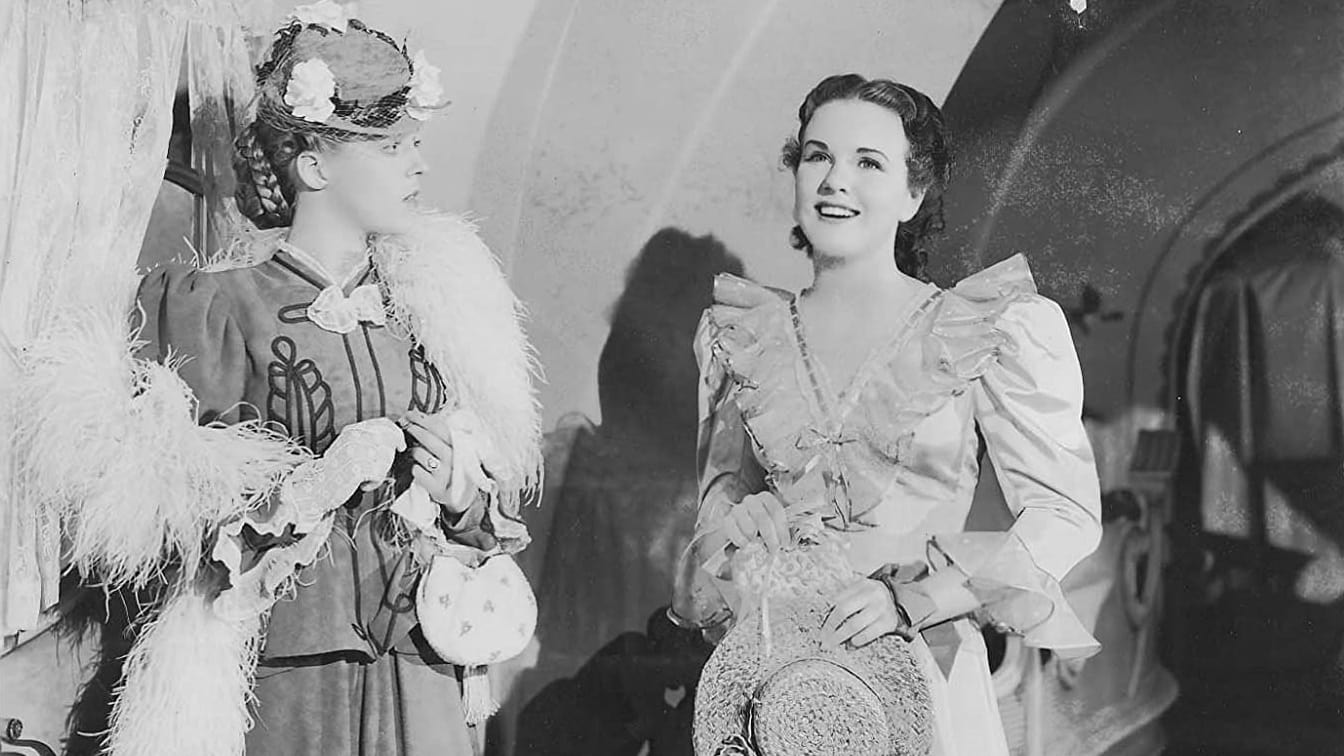
In this light and lovely romantic musical, a Hungarian woman attends a Viennese fair and buys a card from a gypsy fortune teller. It says that she will meet someone important and is destined for a happy marriage. Afterward she gets a job as a baker's assistant. She then meets a handsome army drummer who secretly dreams of becoming a famous composer and conductor. Unfortunately the military forbids the young corporal to create his own music. But then Ilonka secretly sends one of the drummer's waltzes to the Austrian Emperor with his weekly order of pastries. Her act paves the way toward the tuneful and joyous fulfillment of the gypsy's prediction.
Insights
Plot Summary
In this musical romance, Mary Adams, a young seamstress working in a Viennese hat shop, dreams of a life beyond her ordinary existence. Her chance comes when she receives an invitation to a grand ball hosted by the Emperor. To attend, she borrows a gown and, with the help of a charming chauffeur, navigates the world of high society, falling in love along the way.
Critical Reception
Spring Parade was generally well-received by critics and audiences alike, praised for its charming musical numbers, Deanna Durbin's delightful performance, and its lighthearted romantic story. It was a successful entry in the popular musical genre of the era.
What Reviewers Say
- Praised for Deanna Durbin's strong vocal performances and charming screen presence.
- The romantic storyline and musical numbers were seen as enjoyable and uplifting.
- The film was considered a pleasant and entertaining escape during its time.
Google audience: Information on specific Google user reviews from 1940 is not readily available.
Fun Fact
The film was originally intended to be titled 'It's Great to Be Romantic' before settling on 'Spring Parade'.
AI-generated overview · Verify ratings on official sources
My Review
TMDB Reviews
1 reviews