Berlin: Symphony of a Great City
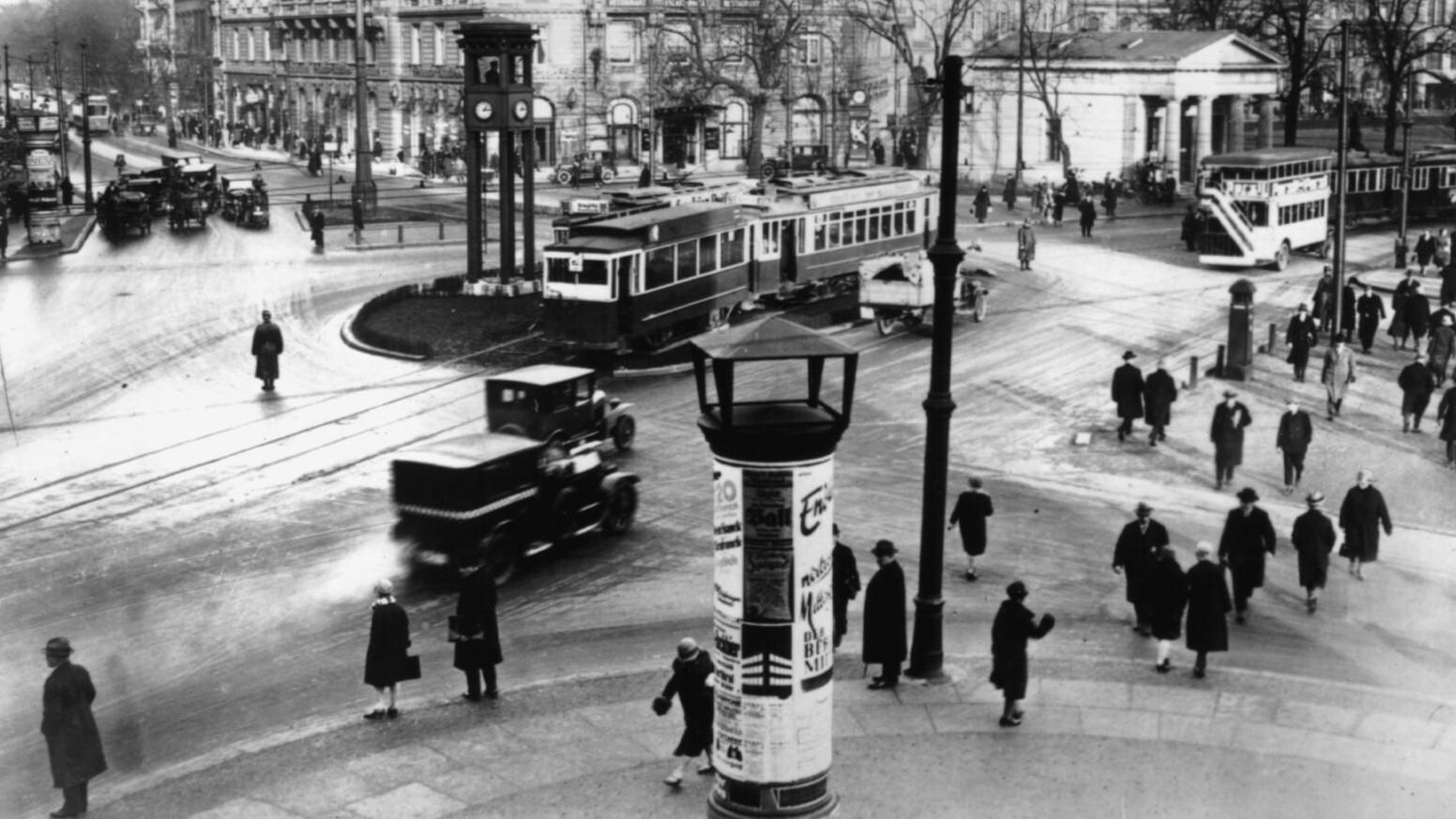
A day in the city of Berlin, which experienced an industrial boom in the 1920s, and still provides an insight into the living and working conditions at that time. Germany had just recovered a little from the worst consequences of the First World War, the great economic crisis was still a few years away and Hitler was not yet an issue at the time.
Insights
Plot Summary
This silent film captures a day in the life of Berlin in the late 1920s, from the early morning train to the bustling city streets, industrial landscapes, and lively nightlife. It offers a unique perspective on urban existence through its innovative montage and dynamic cinematography. The film showcases the rhythm and energy of a major metropolis at a pivotal moment in history. Without a narrative, it focuses entirely on the visual and auditory experience of city life.
Critical Reception
Critically acclaimed for its pioneering use of montage and its evocative portrayal of urban life, 'Berlin: Symphony of a Great City' is considered a landmark of experimental cinema and the city symphony genre. It was praised for its artistic vision and technical innovation, capturing the spirit of Weimar-era Berlin. While not a mainstream box-office success, its influence on filmmaking is undeniable.
What Reviewers Say
- Praised for its groundbreaking montage and rhythmic editing.
- Celebrated as a visually stunning portrait of urban dynamism.
- Recognized for its significant contribution to experimental and documentary filmmaking.
Google audience: Audience reception for this historical experimental film is not widely documented on Google. However, it is generally regarded by film historians as a masterpiece of early cinema.
Fun Fact
The film was shot entirely without a script, with director Walter Ruttmann and cinematographer Karl Freund capturing spontaneous moments of city life as they occurred, relying on the editing process to create the narrative flow.
AI-generated overview · Verify ratings on official sources