
Movie spotlight
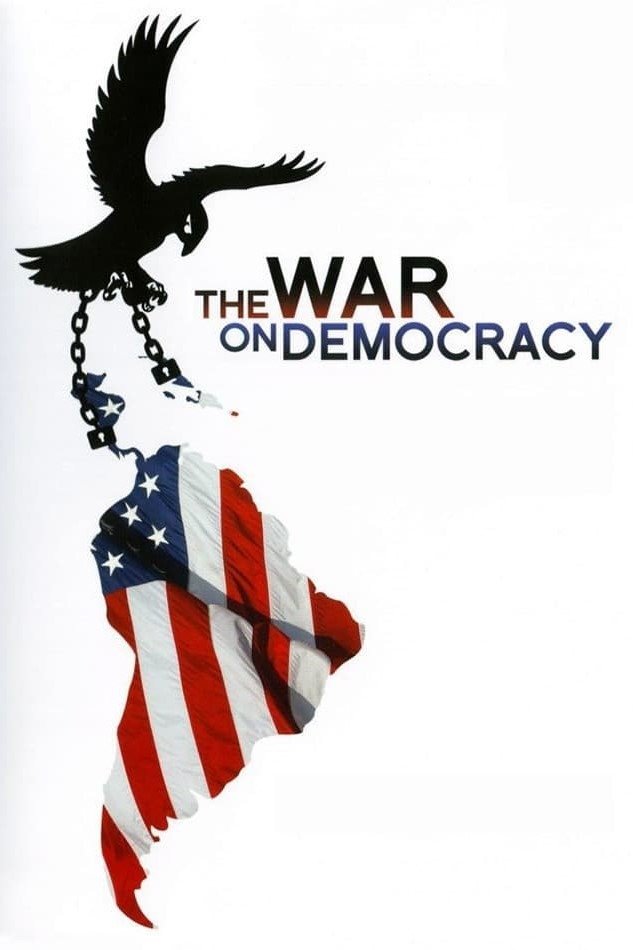
The War on Democracy
Set both in Latin America and the United States, the film explores the historic and current relationship of Washington with countries such as Venezuela, Bolivia and Chile. Pilger says that the film "...tells a universal story... analysing and revealing, through vivid testimony, the story of great power behind its venerable myths. It allows us to understand the true nature of the so-called "war on terror". According to Pilger, the film’s message is that the greed and power of empire is not invincible and that people power is always the "seed beneath the snow".
Insights
Plot Summary
This documentary critically examines the role of the United States in Latin American politics, focusing on what the film presents as a consistent pattern of intervention and interference in the democratic processes of various nations. It highlights historical events and alleged covert operations aimed at destabilizing or overthrowing governments that do not align with U.S. foreign policy objectives. The film features interviews with prominent critics of U.S. foreign policy who discuss the implications of these actions on regional sovereignty and democracy.
Critical Reception
Critical reception for "The War on Democracy" was largely polarized, reflecting its politically charged subject matter. While some praised it for its in-depth analysis and critique of U.S. foreign policy in Latin America, others found it to be biased and lacking in objective balance. The film was often seen as a strong advocacy piece for its subject matter, resonating with audiences critical of U.S. interventionism.
What Reviewers Say
Praised for its powerful critique of U.S. foreign policy and its exploration of historical interventions.
Accused by some of presenting a one-sided perspective, lacking comprehensive counterarguments.
Seen as an important piece for understanding anti-American sentiment in certain Latin American political circles.
Google audience: Information on specific Google user reviews for this documentary is not readily available. However, films of this nature often elicit strong opinions from audiences, with supporters commending its critical stance and detractors questioning its impartiality.
Fun Fact
The film heavily features interviews with figures like Noam Chomsky and Eva Golinger, who are prominent academics and activists known for their critical perspectives on U.S. foreign policy and its impact on international relations.
AI-generated overview · Verify ratings on official sources