Movie spotlight
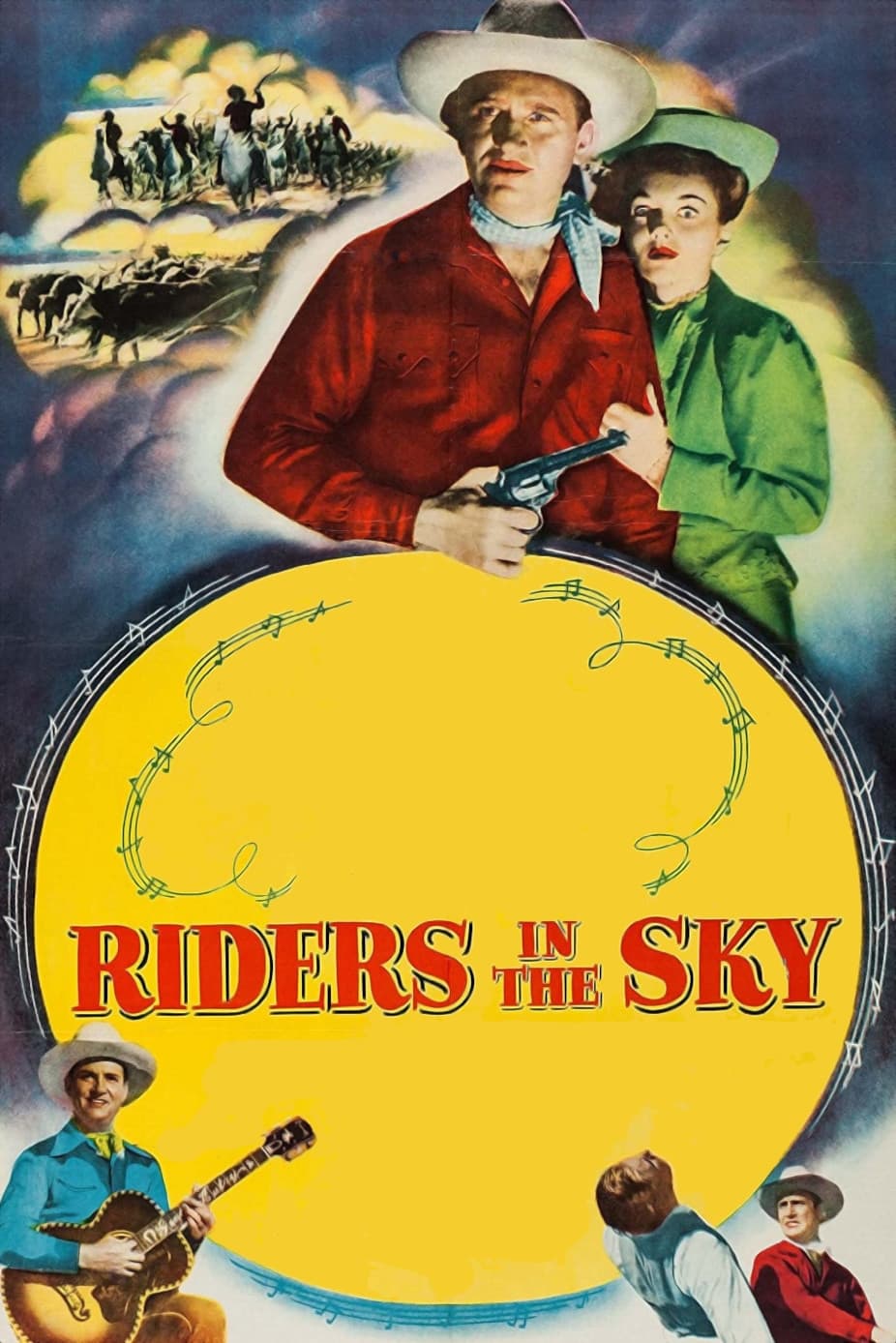
Riders in the Sky
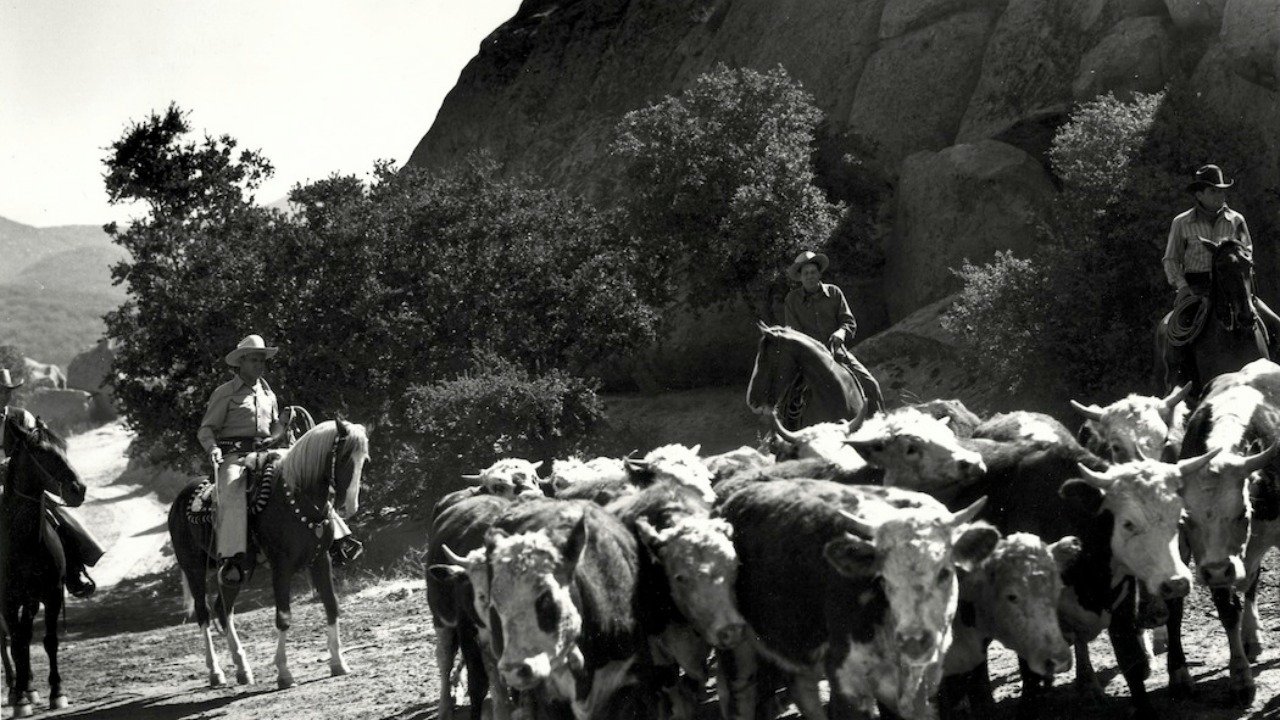
When asked about the Ghost Riders song he sings, Gene Autry tells this legend: Gene is about to resign as an investigator for the county attorney and go into the cattle business with his pal Chuckawalla Jones but decides instead to help Anne Lawson clear her father, rancher Ralph Lawson, of a false murder charge. He looks for the three witnesses who can testify that Lawson shot only in self defense in killing a gambler, but the witnesses are terrorized by another gambler, town boss Rock McCleary, who shoots witness Pop Roberts Morgan. Fatally wounded, Pop gives Gene the information needed to clear Lawson, then dies crying the "Ghost Riders" are coming for him. Gene then heads for a showdown with McCleary.
Insights
Plot Summary
A rancher, who is also a talented singer, finds himself caught between feuding cattle barons and a land grabber trying to force settlers off their land. He uses his musical talents and his trusty horse to unite the community and protect their homes from the unscrupulous villain.
Critical Reception
Released during the height of Gene Autry's popularity, 'Riders in the Sky' was a well-received musical Western that appealed to its target audience with its blend of action, songs, and Autry's signature charm. While not critically acclaimed by serious film critics, it was a commercial success and is remembered fondly by fans of the genre.
What Reviewers Say
Praised for its engaging Western action and Gene Autry's musical numbers.
Enjoyed by fans of classic musical Westerns for its lighthearted entertainment.
Seen as a typical, enjoyable entry in Gene Autry's extensive filmography.
Google audience: Audience reception for 'Riders in the Sky' is largely positive among fans of classic Westerns and Gene Autry, who appreciate its straightforward plot, familiar formula, and Autry's performance. It's often cited as a solid example of the musical Western genre.
Fun Fact
The film features Gene Autry singing the famous song 'Riders in the Sky', which was actually written by Stan Jones and became a huge hit for Autry in 1949, winning an Academy Award for Best Original Song that year, although the film itself was not nominated.
AI-generated overview · Verify ratings on official sources