
Movie spotlight
Amandla! A Revolution in Four-Part Harmony
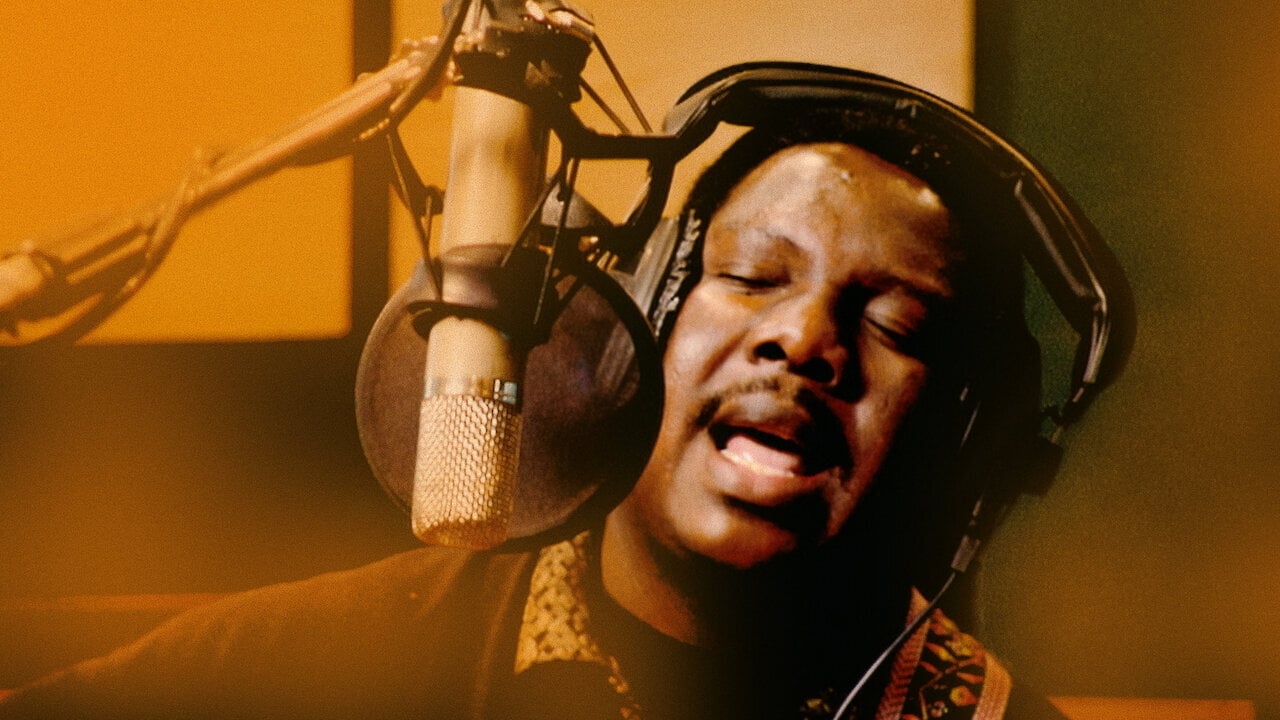
The struggle to eradicate apartheid in South Africa has been chronicled over time, but no one has addressed the vital role music plays in this challenge. This documentary by Lee Hirsch recounts a fascinating and little-known part of South Africa's political history through archival footage, interviews and, of course, several mesmerizing musical performances.
Insights
Plot Summary
This documentary explores the powerful role of music in the struggle against apartheid in South Africa. It delves into the history of 'struggle songs,' which were used to unite, inspire, and mobilize people during the oppressive regime. Through archival footage and interviews with musicians and activists, the film highlights how music served as a vital form of resistance and cultural expression.
Critical Reception
Amandla! received widespread critical acclaim for its powerful storytelling, moving musical performances, and its insightful look into the human spirit's resilience during apartheid. Critics lauded its ability to convey the emotional weight and historical significance of the struggle songs.
What Reviewers Say
A profoundly moving and inspiring documentary that brilliantly captures the power of music as a tool for resistance.
Features incredible archival footage and passionate interviews that bring the anti-apartheid struggle to life.
The film's soundtrack is as significant as its historical narrative, offering a vibrant and emotional experience.
Google audience: Audience reviews consistently praise the film's emotional impact, the historical significance of the music, and its ability to inspire. Many viewers found the film to be a powerful and essential watch for understanding the anti-apartheid movement.
Awards & Accolades
Won the Audience Award at the Sundance Film Festival and the Sundance Channel Audience Award at the Sundance Film Festival, among other festival awards.
Fun Fact
The film's title, 'Amandla!', is a Xhosa and Zulu word meaning 'power,' a slogan frequently used during the anti-apartheid movement.
AI-generated overview · Verify ratings on official sources