
Movie spotlight
Irmã Dulce
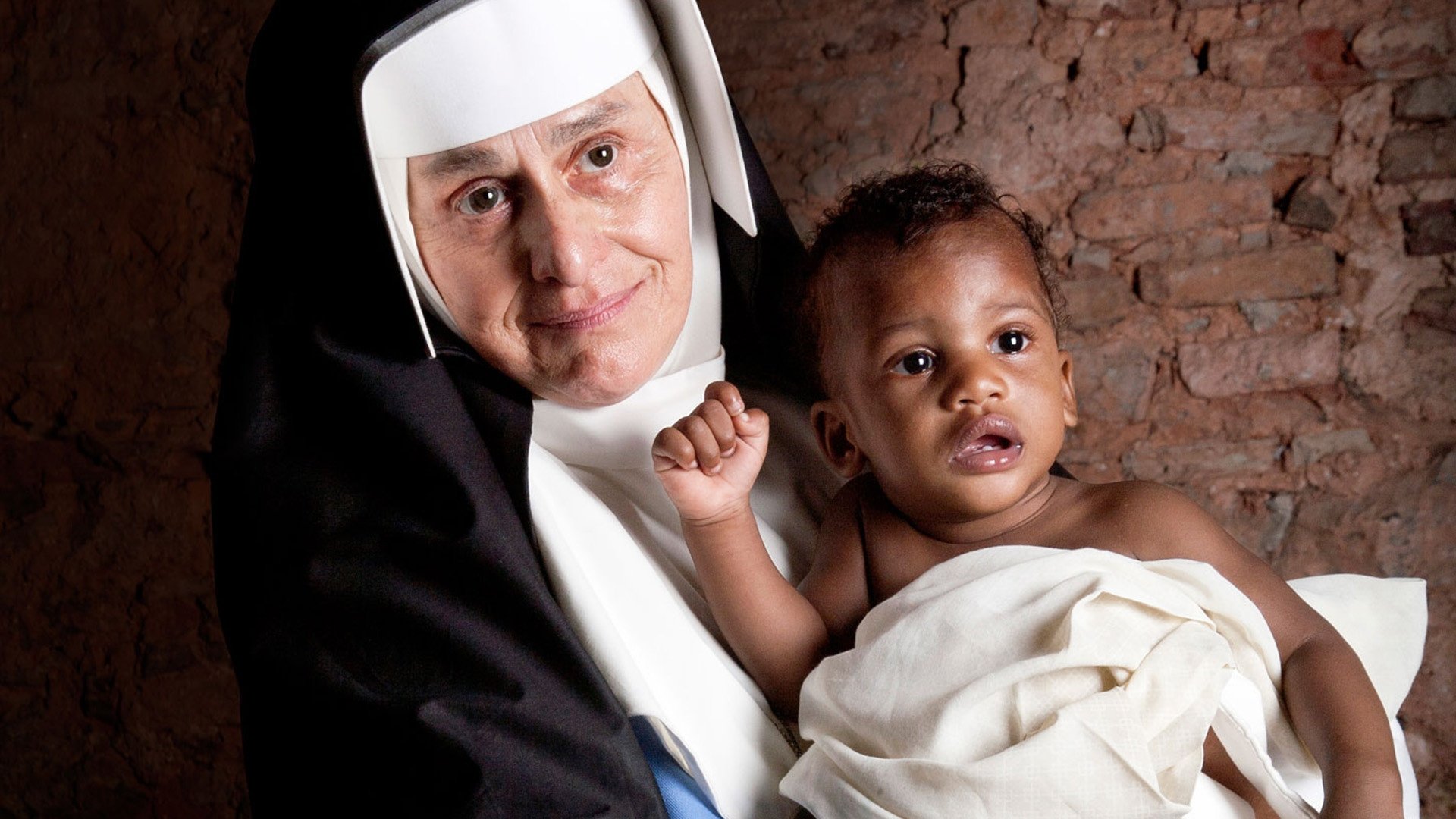
Biographical film of Sister Dulce, who, in life, was called the “Good Angel of Bahia”, also nominated for the Nobel Peace Prize and canonized by the Catholic Church. Contemplating from the 1940s to the 1980s, the film shows how the Catholic nun faced an incurable respiratory disease, machismo, the indifference of politicians and even the dogmas of the Church to dedicate her life to the care of the miserable, leaving a legacy that continues today.
Insights
Plot Summary
The film chronicles the life of Sister Dulce, a Brazilian Catholic nun who dedicated her life to helping the poor and sick. Born Maria Rita de Souza Brito Lopes Pontes, she became known as the "Good Angel of Bahia" for her tireless charitable work. Despite facing numerous obstacles and opposition, she founded a vast network of hospitals, shelters, and educational institutions that continue to serve millions.
Critical Reception
Irmã Dulce was generally well-received by critics and audiences in Brazil, praised for its inspiring portrayal of a beloved national figure and its message of compassion. While not a major international release, it resonated strongly within its home country for its depiction of faith, resilience, and social justice.
What Reviewers Say
Praised for its heartfelt and inspiring portrayal of Sister Dulce's life and charitable work.
Commended for bringing attention to the impactful social contributions of a significant Brazilian figure.
Noted for its sincere and accessible narrative, making it relatable to a broad audience.
Google audience: Audience reception in Brazil highlighted the film's emotional impact and its successful tribute to Sister Dulce's legacy of love and service.
Fun Fact
Regina Casé, who portrays Sister Dulce, is also a well-known actress and television host in Brazil, celebrated for her comedic roles, which made her casting as the revered nun a notable choice.
AI-generated overview · Verify ratings on official sources