
Movie spotlight
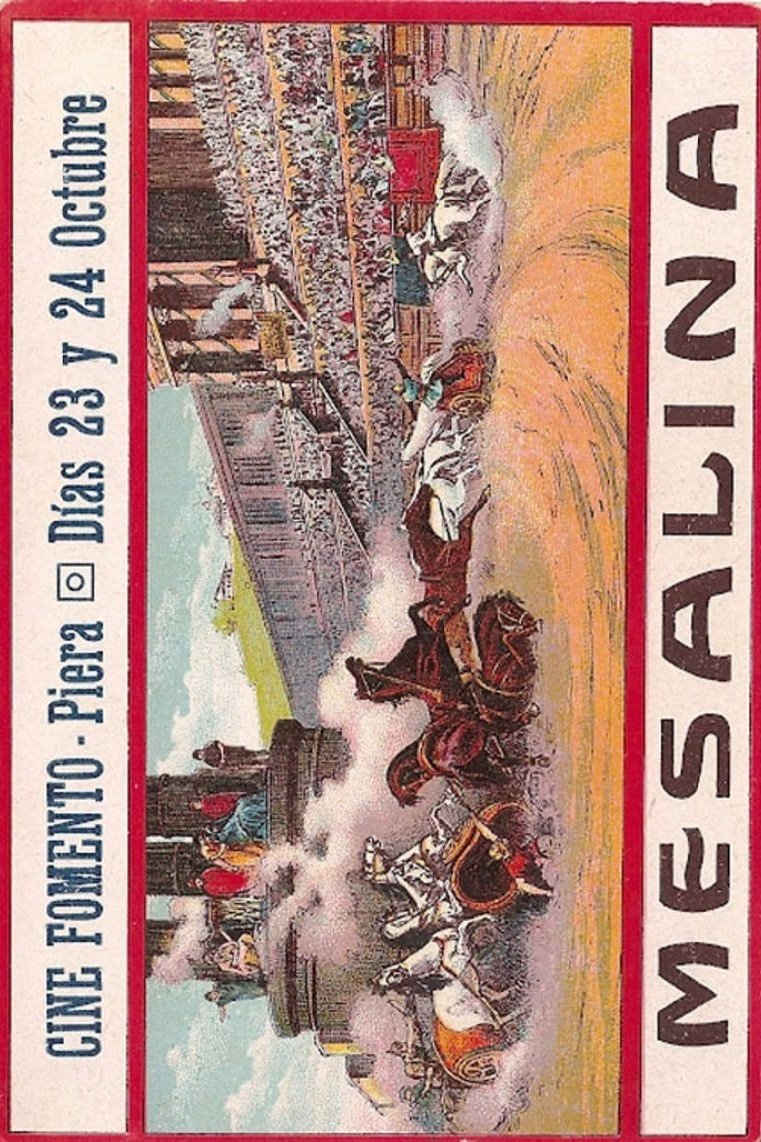
Messalina
In ancient Rome, tyrannical Emperor Caligula is assassinated through the machinations of Messalina. She then makes a conquest of Marcus, who forces the Senate to name her husband, Claudius, as emperor. Messalina's wicked ways continue when she falls in love with Ennio, a slave. Ennio is also loved by Egyptian princess Mirit, but he loves neither of them, preferring the company of Ela, a Greek slave.
Insights
Plot Summary
This silent epic chronicles the scandalous and ambitious life of Valeria Messalina, the third wife of Roman Emperor Claudius. It depicts her relentless pursuit of power, her numerous affairs with senators and gladiators, and her eventual downfall due to her excesses and political machinations. The film portrays her as a decadent and ruthless figure who manipulated the Roman court for personal gain.
Critical Reception
As a silent film from the silent era, contemporary critical reception is difficult to gauge with modern metrics. However, it was produced during a period when Italian historical epics were gaining international attention for their scale and spectacle. The film likely received attention for its grand sets and costumes, typical of the peplum genre, but its explicit depiction of historical scandal might have been controversial.
What Reviewers Say
Praised for its ambitious historical recreation and lavish production values.
Noted for its sensational portrayal of ancient Roman decadence and political intrigue.
Considered a notable example of the Italian silent historical epic genre.
Google audience: Due to the film's age and silent nature, specific Google user reviews are not readily available. However, historical records suggest that films of this genre were appreciated for their cinematic scope and dramatic narratives.
Fun Fact
Enrico Guazzoni, the director, was a pioneer in Italian cinema and was renowned for his grand historical productions, including 'Quo Vadis?' (1913), which set a precedent for large-scale epics.
AI-generated overview · Verify ratings on official sources