Movie spotlight
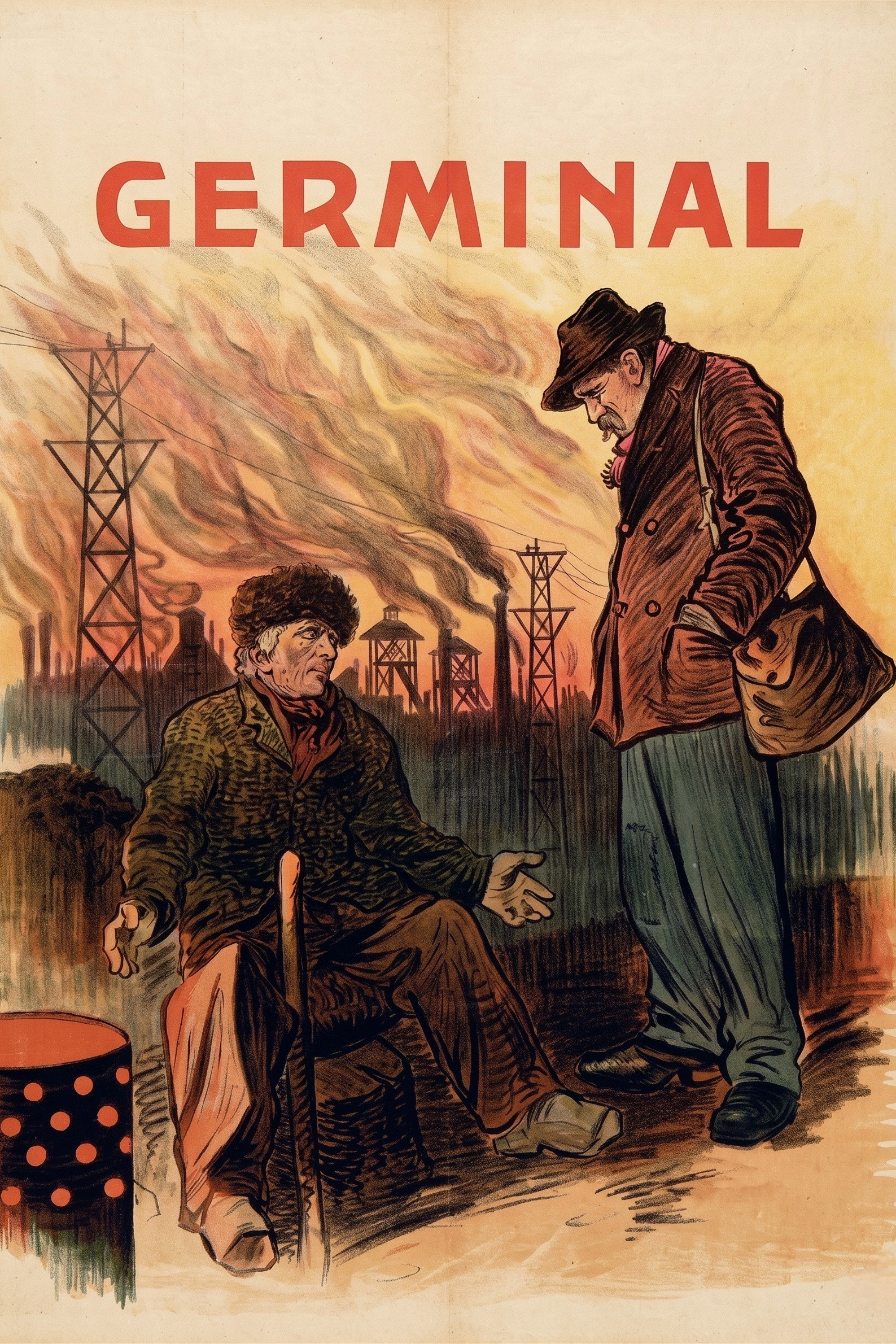
Germinal
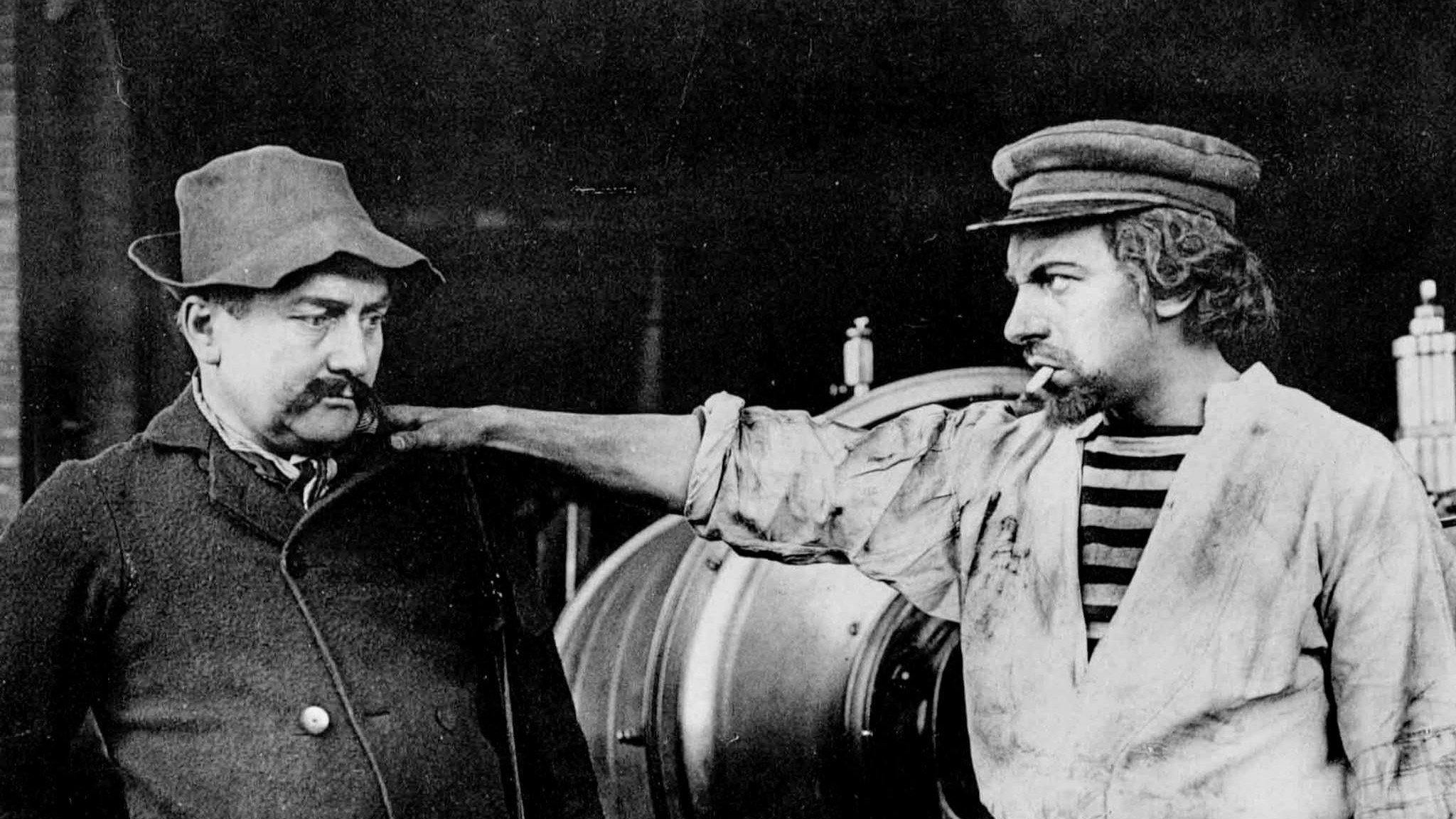
Based on Emile Zola's novel, an uncompromisingly harsh and realistic story of a coalminers' strike in northern France in the 1860s.
Insights
Plot Summary
A young miner named Étienne Lantier arrives in the mining town of Montsou, seeking work. He quickly becomes involved with the harsh realities faced by the coal miners, including dangerous working conditions, low wages, and the exploitation by the mine owners. Witnessing the suffering and injustice, Étienne rises as a leader, inspiring the miners to organize and strike for better treatment, a struggle that leads to both solidarity and tragedy.
Critical Reception
As one of the earliest cinematic adaptations of Émile Zola's monumental novel, the 1913 film 'Germinal' was a significant undertaking for its time, lauded for its ambition in portraying the social struggles of French coal miners. While specific contemporary critical reviews are scarce, the film is recognized for its dramatic intensity and its pioneering efforts in social realism on screen, paving the way for future adaptations and films tackling similar themes.
What Reviewers Say
A powerful and early example of social realism in cinema.
Ambitious in its scope and dramatic portrayal of worker struggles.
Pioneering in its adaptation of a significant literary work to the screen.
Google audience: Information on specific Google user reviews for this 1913 film is not readily available.
Fun Fact
This 1913 silent film was one of the earliest cinematic adaptations of Émile Zola's 1885 novel of the same name, which was considered controversial for its stark depiction of working-class life and socialist themes at the time of its publication.
AI-generated overview · Verify ratings on official sources