
Movie spotlight
The Who: The Kids Are Alright
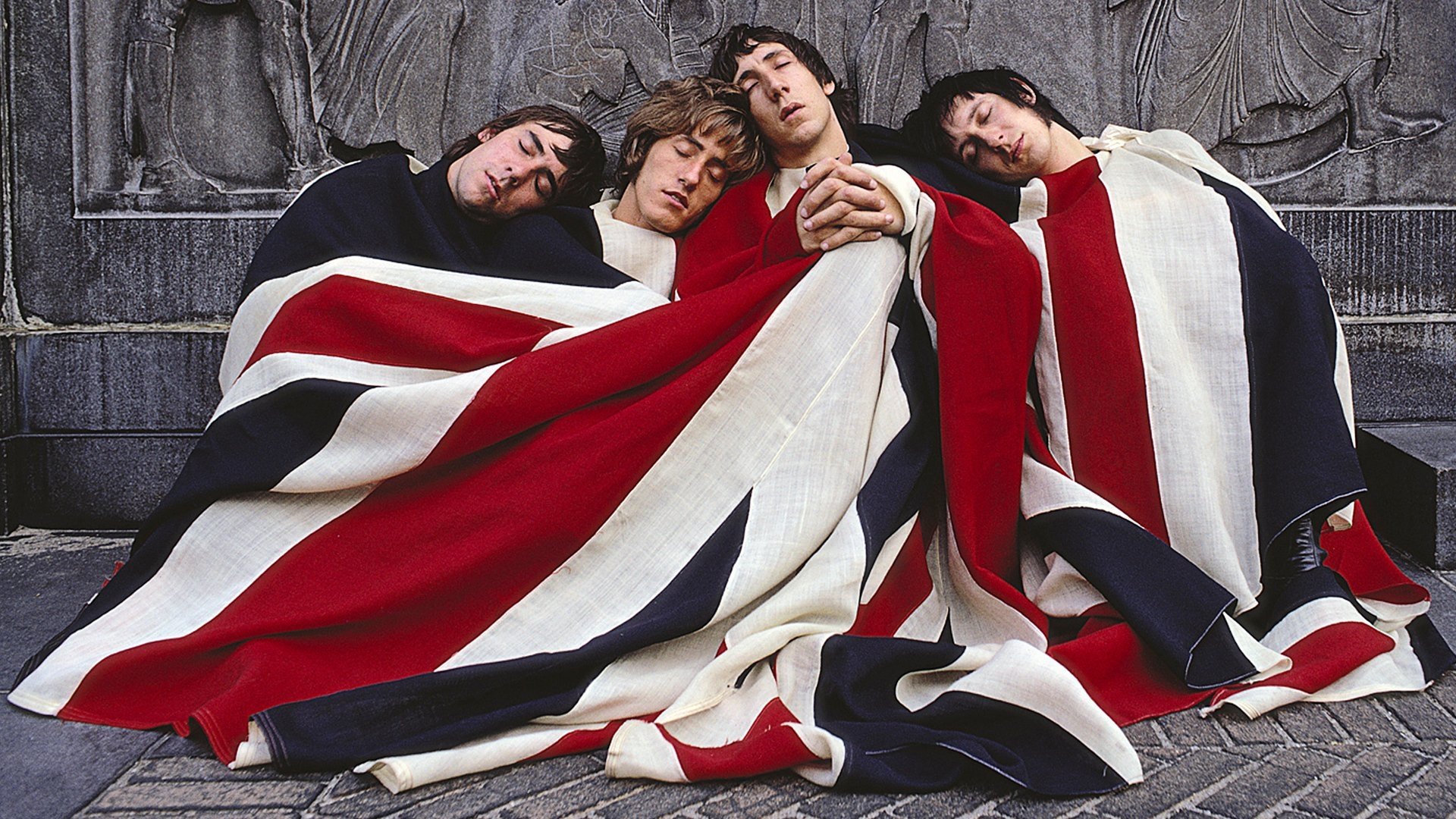
Through concert performances and interviews, this film offers us a comprehensive look at the British pioneer rock group, The Who. It captures their zany craziness and outrageous antics from the initial formation of the group in 1964 to 1978. It notably features the band's last performance with long-term drummer Keith Moon, filmed at Shepperton Studios in May 1978, three months before his death.
Insights
Plot Summary
This energetic documentary chronicles the tumultuous history of the iconic British rock band The Who. Through a mix of concert footage, archival interviews, and candid behind-the-scenes moments, it captures the band's explosive performances, rebellious spirit, and the often chaotic dynamics that defined their rise to fame. The film focuses on their early years, the creative tensions, and the immense impact they had on the rock music landscape.
Critical Reception
The film was widely praised for its dynamic editing, raw energy, and comprehensive look at The Who's formative years. Critics highlighted its authentic portrayal of the band's powerful live performances and their often-unpredictable personalities, making it a must-see for fans and a compelling historical document for rock enthusiasts.
What Reviewers Say
Captures the raw, untamed energy of The Who's live performances.
Offers an intimate and often chaotic glimpse into the band's tumultuous history.
Praised for its comprehensive scope and authentic portrayal of rock and roll rebellion.
Google audience: Audiences laud the film for its thrilling concert footage and its honest depiction of the band's wild and often destructive journey through the rock world. Many appreciate the in-depth look at the personalities of Roger Daltrey, Pete Townshend, John Entwistle, and especially Keith Moon.
Fun Fact
Director Jeff Stein was only 21 when he began working on the film, having previously directed the iconic animated segment for The Who's 'Happy Jack' song in 1966.
AI-generated overview · Verify ratings on official sources