
Movie spotlight
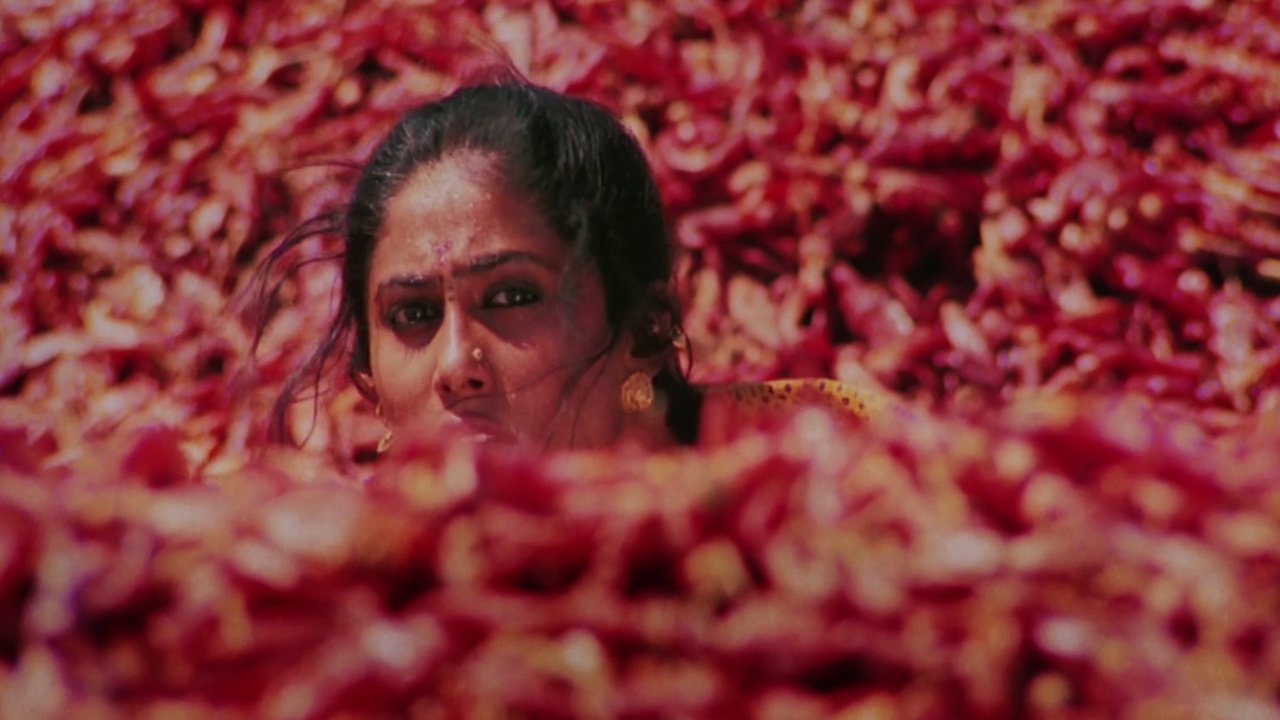
Mirch Masala
Early-1940s, rural British India. When a woman decides to fight against the village's despotic subedar and is supported by the guard of the local spice factory, more women join to defy the prevailing oppression.
Insights
Plot Summary
In 1942, during the British Raj, a village subedar, Subhedar (Naseeruddin Shah), lusts after a young village woman, Sonbai (Smita Patil). When she rejects his advances, he becomes enraged and vows to have her. The village women, led by Sonbai and supported by the other men and women of the village, decide to stand up to the subedar's tyranny by barricading themselves in the local spice grinding mill (the 'masala' mill) and refusing to come out until he is gone. Their act of defiance sparks a larger rebellion.
Critical Reception
Mirch Masala received critical acclaim upon its release, particularly for its strong performances, social commentary, and powerful depiction of female empowerment. It is often cited as a landmark film in Indian cinema for its feminist themes and historical context, resonating with both critics and audiences for its bold narrative.
What Reviewers Say
Praised for its potent feminist message and timely portrayal of resistance against oppression.
Naseeruddin Shah's menacing performance as the villainous subedar was widely lauded.
Smita Patil's portrayal of Sonbai was highlighted as a symbol of courage and resilience.
Google audience: Information not available.
Awards & Accolades
Nominated for the Golden Seashell at the San Sebastián International Film Festival.
Fun Fact
The film's powerful climax, where the women are holed up in the spice mill, was inspired by a real-life incident from the British Raj era.
AI-generated overview · Verify ratings on official sources