
Movie spotlight
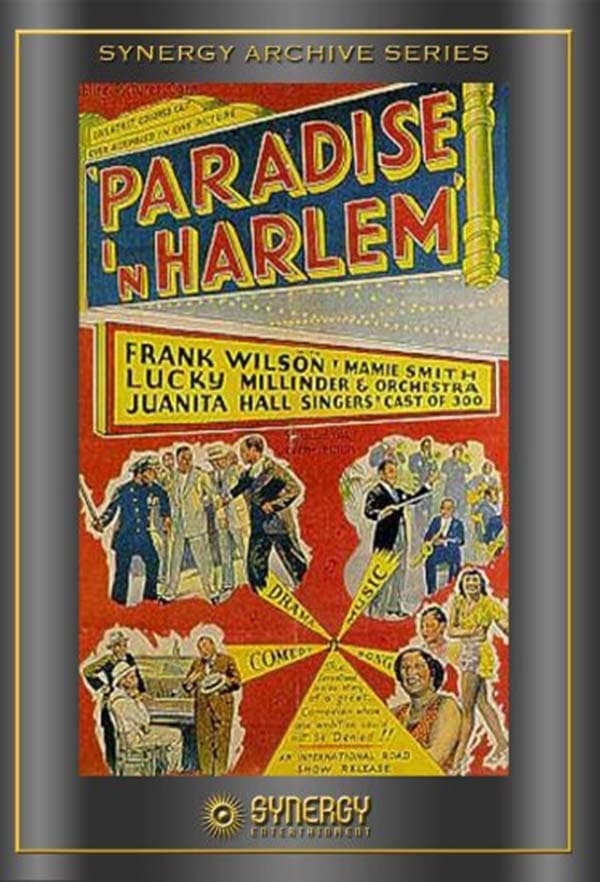
Paradise in Harlem
It is the story of a comedian Lem Anderson who dreams of playing in Shakespeare scenes but he is applied only role in Harlem Vaudeville. One day he is the witness of a crime and the mobster strongly advised him to leave the town...
Insights
Plot Summary
The film follows the intertwined lives of ambitious individuals in Harlem's vibrant African-American community during the late 1930s. It explores themes of love, ambition, and the struggles faced by Black artists and performers trying to make their mark amidst social and economic challenges. The narrative often centers around a popular nightclub and its patrons.
Critical Reception
As a film from 1939, "Paradise in Harlem" is historically significant for its representation of Black life and culture during that era. Contemporary reviews were often limited in scope or focused on its entertainment value within the context of 'race films' of the time. Modern critical reception acknowledges its importance as a piece of Black cinematic history, though its artistic merits are often viewed through a historical lens.
What Reviewers Say
Appreciated for its depiction of Harlem's cultural scene and music.
Seen as an important example of 'race films' showcasing Black talent.
The plot and performances are often viewed as characteristic of films from its era.
Google audience: Information regarding specific Google user reviews for "Paradise in Harlem" is not readily available due to its age and the nature of contemporary distribution and review systems.
Fun Fact
The film is notable for featuring performances by several prominent figures of the Harlem Renaissance and early Black entertainment scene, including the legendary blues singer Mamie Smith and poet Langston Hughes.
AI-generated overview · Verify ratings on official sources