Movie spotlight
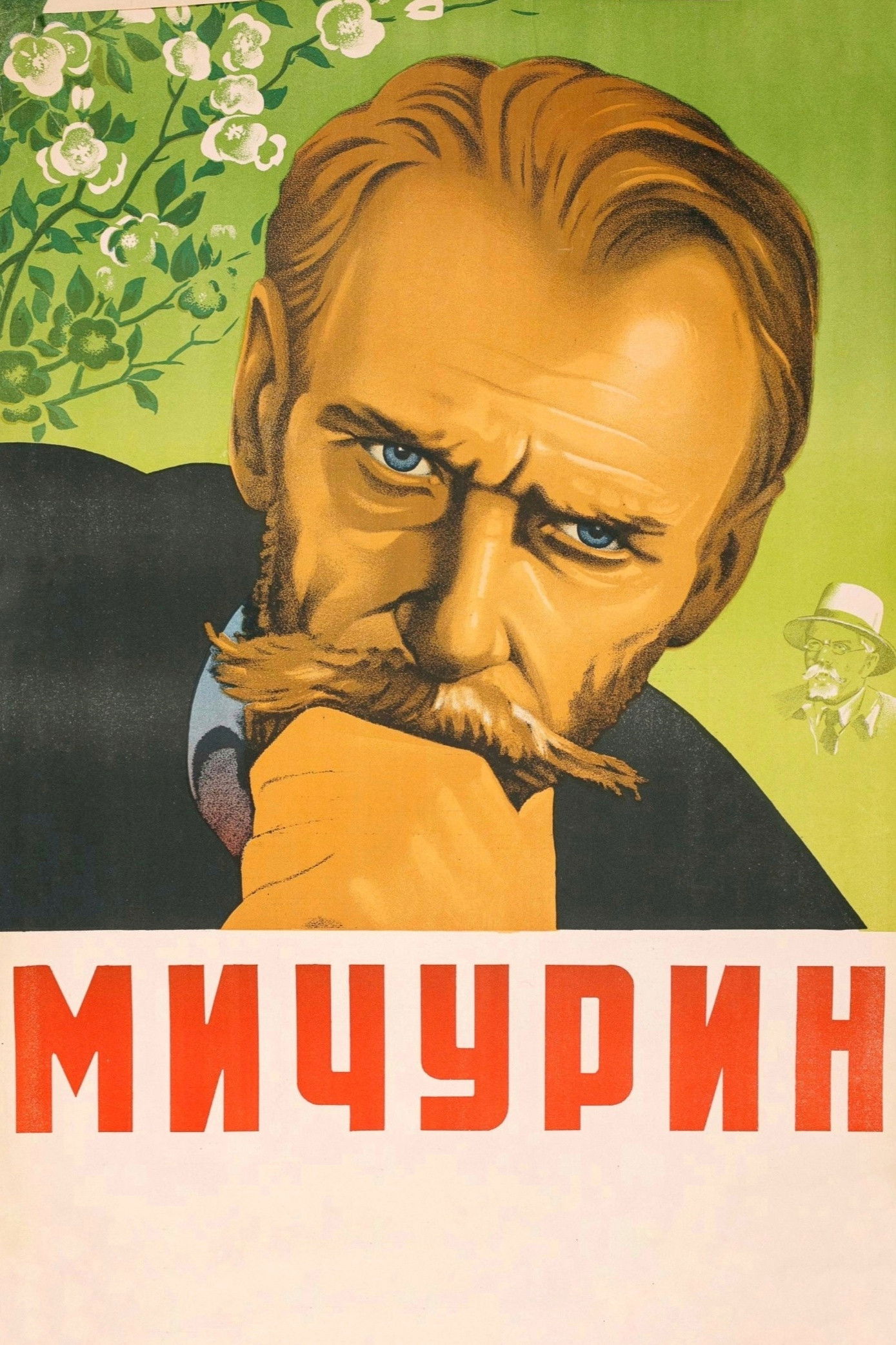
Michurin
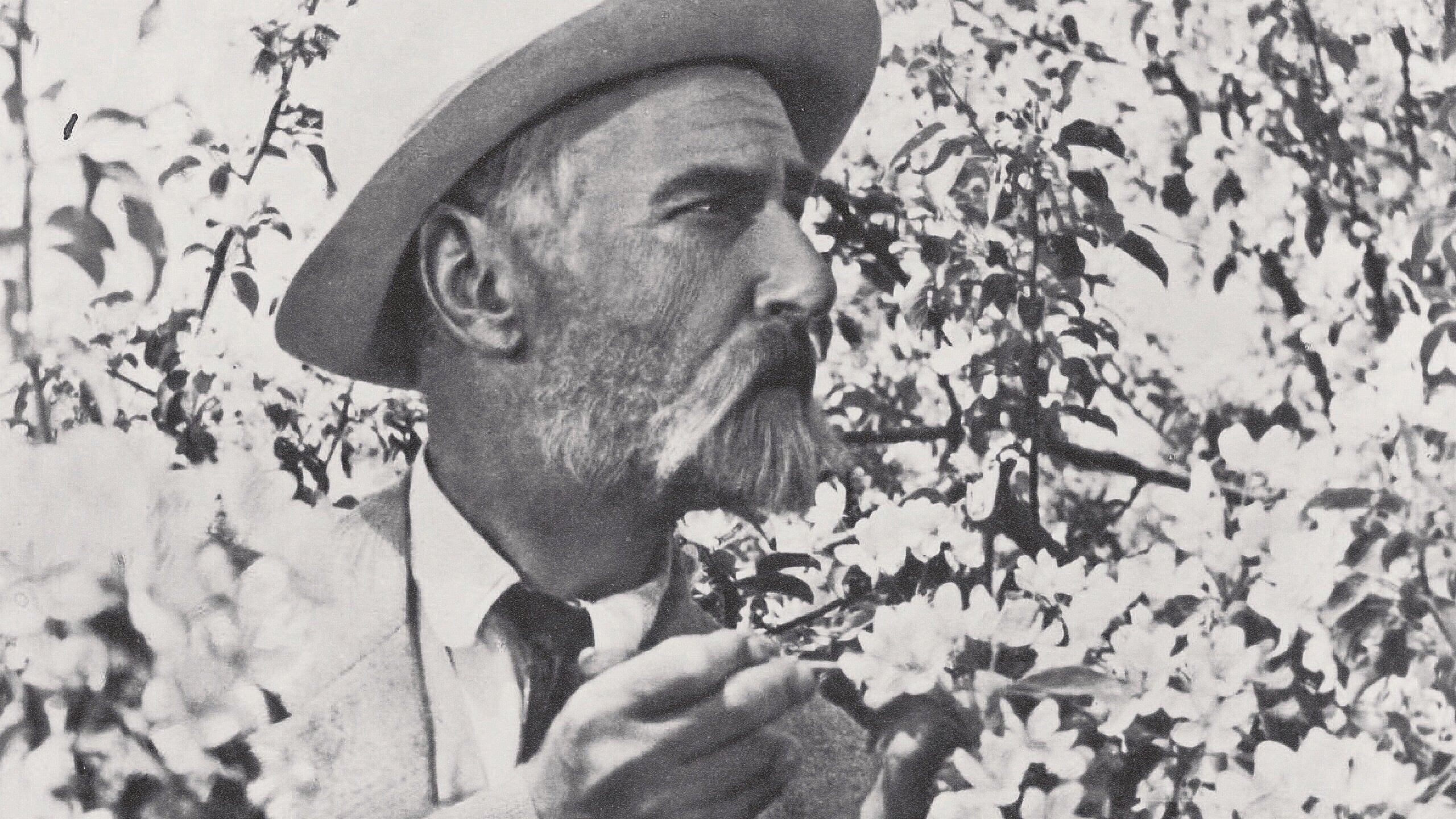
About the life of the Russian biologist Ivan Michurin. 1912 year. Having rejected American offers to work abroad, Michurin continues his research in the Russian Empire, despite the fact that his ideas are not perceived by the tsarist government, the church and idealistic science. Michurin is supported by prominent scientists of the country and he continues to work hard. After the October Revolution, a small Michurin garden in the city of Kozlov (the biologist's homeland) becomes a large state nursery.
Insights
Plot Summary
The film chronicles the life and work of the renowned Soviet biologist and agricultural innovator Ivan Michurin. It follows his struggles and triumphs in developing new plant varieties and his dedication to advancing Soviet agriculture through scientific research and experimentation. Michurin's innovative methods and his perseverance in the face of skepticism are central to the narrative.
Critical Reception
Michurin was a significant film within the Soviet Union, celebrated for its portrayal of a national hero and its promotion of scientific progress. While details on international critical reception are scarce, it was ideologically important for its time, focusing on a figure who embodied Soviet scientific achievement and dedication. It was well-received by audiences in its home country for its biographical and inspirational subject matter.
What Reviewers Say
Praised for its depiction of scientific dedication and perseverance.
Seen as an important biographical film celebrating a Soviet scientific figure.
Appreciated for its focus on agricultural innovation and progress.
Google audience: Information on Google user reviews for this specific historical film is not readily available.
Fun Fact
The film was made during a period when the Soviet Union was heavily promoting Lysenkoism, a pseudoscientific theory of heredity and reproduction. However, Michurin's scientific approach, which involved practical cross-breeding and selection, predated and was somewhat distinct from the core tenets of Lysenkoism, though the film likely aligned with the broader narrative of Soviet agricultural advancement.
AI-generated overview · Verify ratings on official sources