
Absolute Hell
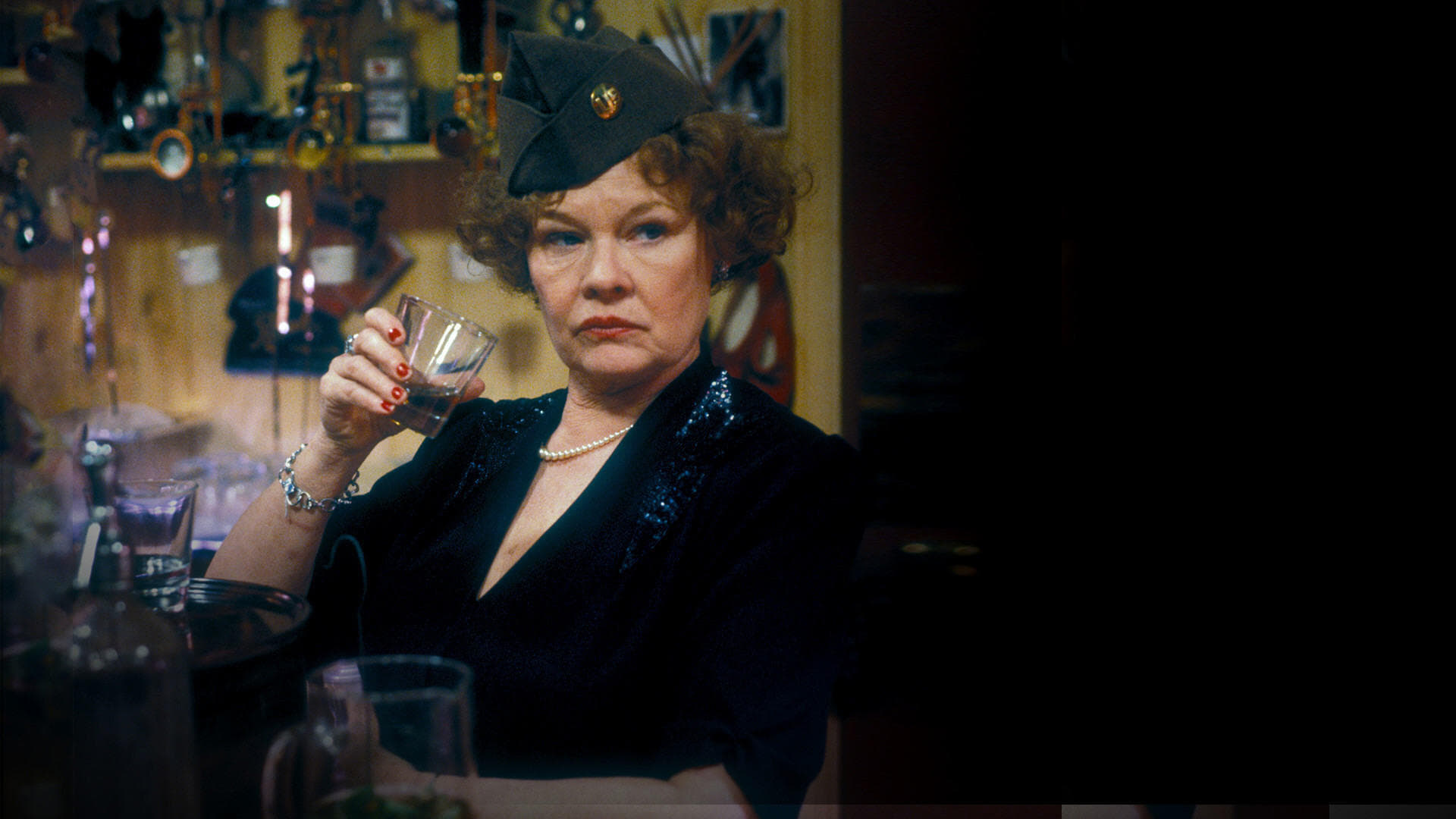
Black comedy set in Soho, London, right after World War II. Half of the fun is seeing a slew of very familiar faces kick up their heels as gay men, lesbians, party-girls, drunks, and drag queens. Originally aired as part of the anthology series "Performance."
Insights
Plot Summary
The story centers around a disillusioned British engineer working in South Africa during the apartheid era. He becomes entangled in a complex relationship with his wife and her friends, leading to dark revelations and emotional turmoil. The film explores themes of isolation, moral compromise, and the psychological toll of living in a repressive society.
Critical Reception
Absolute Hell received a mixed to positive reception from critics, with many praising the performances, particularly from the lead actors, and the film's exploration of complex themes. Some found the pacing slow and the subject matter heavy, but overall it was considered a thought-provoking drama.
What Reviewers Say
- Praised for its strong performances, especially from Malcolm McDowell and Helen Mirren.
- Noted for its exploration of dark psychological themes and moral ambiguity.
- Some critics found the film's narrative to be dense and slow-moving.
Google audience: Information on Google user reviews for 'Absolute Hell (1991)' is not readily available.
Fun Fact
The film is based on the play of the same name by Giles Cooper, which was originally broadcast on BBC Television in 1958 and also starred Malcolm McDowell in a different role.
AI-generated overview · Verify ratings on official sources