Movie spotlight
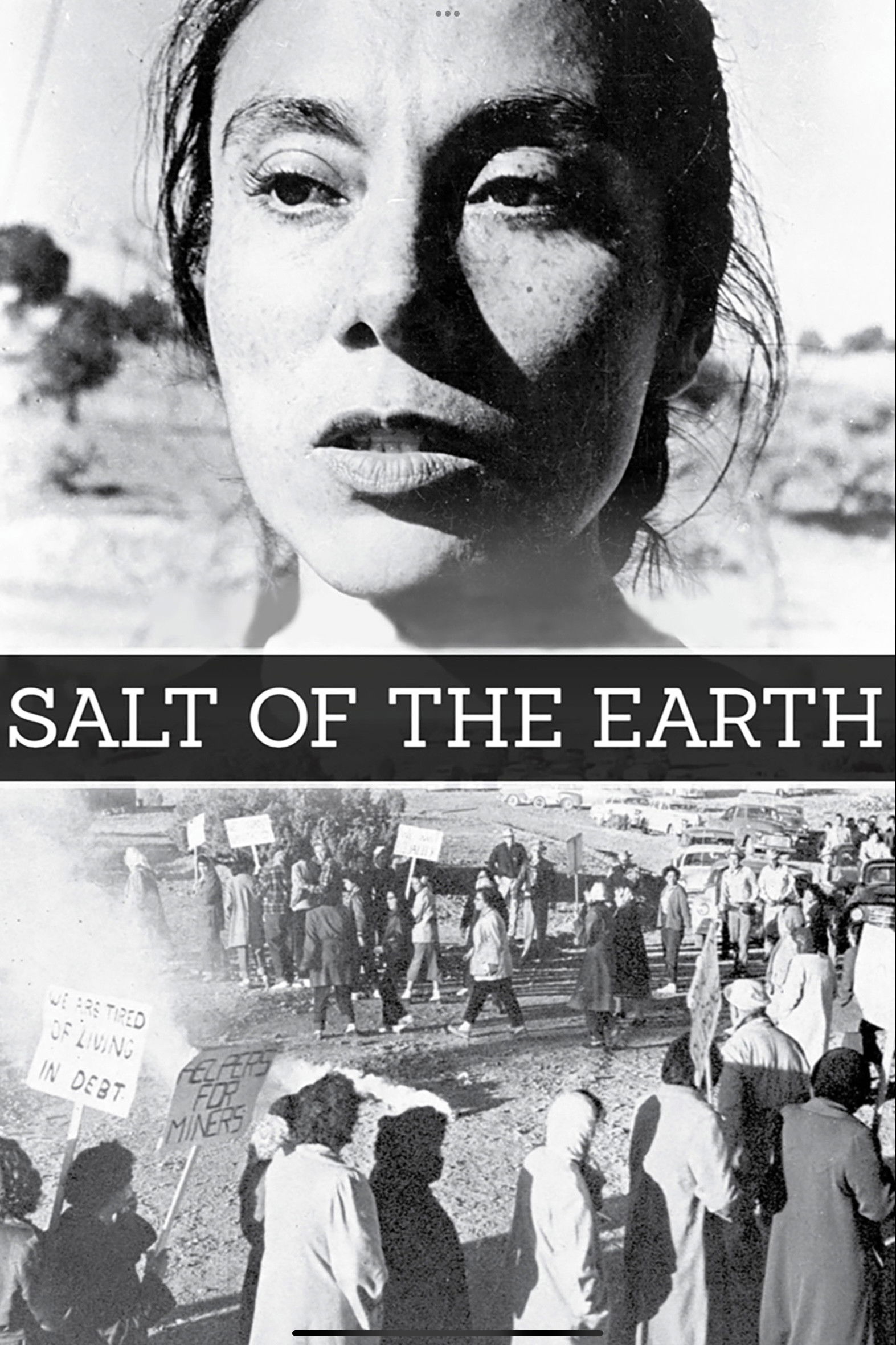
Salt of the Earth
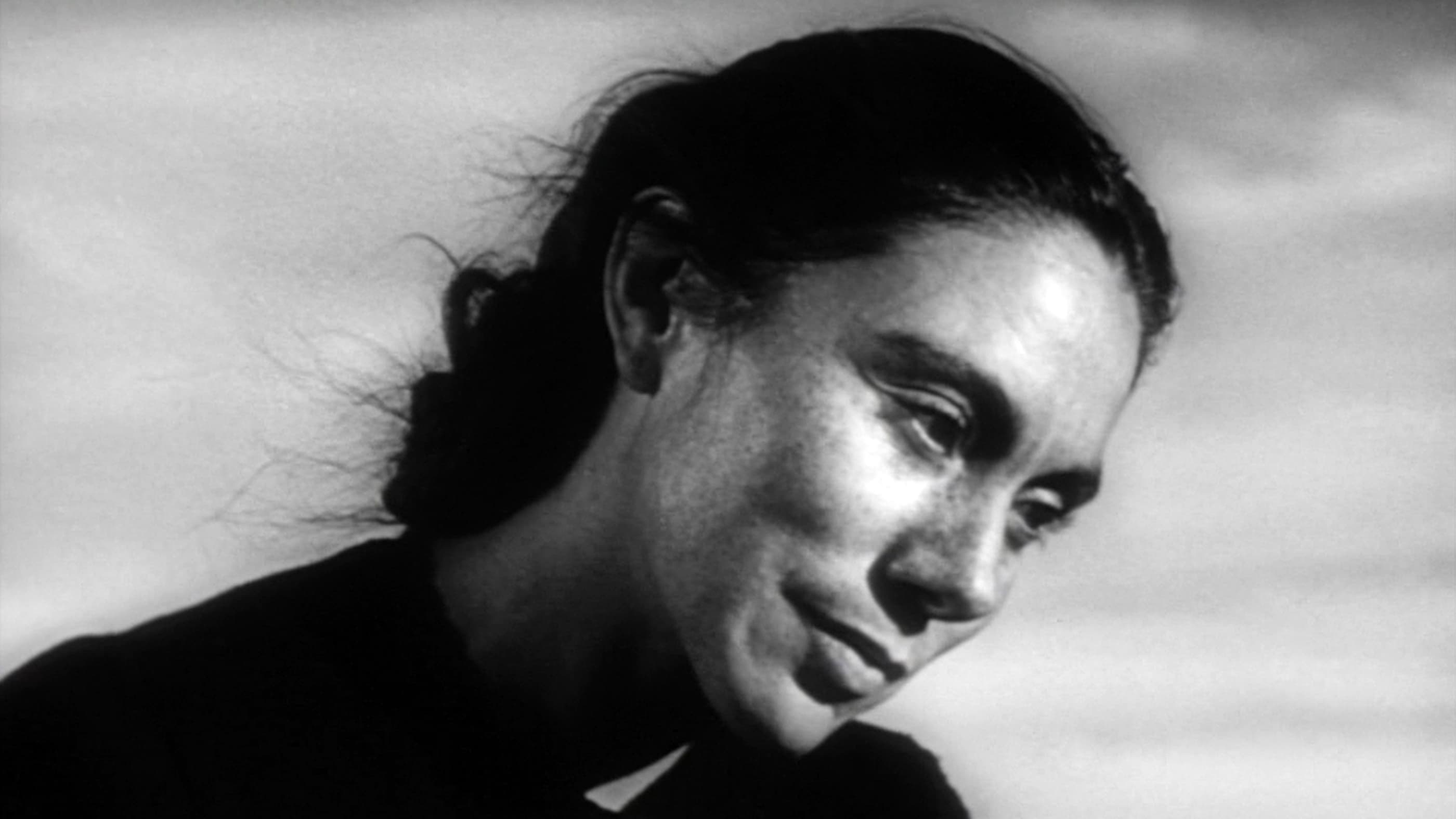
At New Mexico's Empire Zinc mine, Mexican-American workers protest the unsafe work conditions and unequal wages compared to their Anglo counterparts. Ramon Quintero helps organize the strike, but he is shown to be a hypocrite by treating his pregnant wife, Esperanza, with a similar unfairness. When an injunction stops the men from protesting, however, the gender roles are reversed, and women find themselves on the picket lines while the men stay at home.
Insights
Plot Summary
The film depicts the 1952 strike by predominantly Mexican American zinc miners in Bayard, New Mexico. When the men are forbidden from picketing due to a court injunction, the women of the community take over the picket line, facing down strikebreakers and police brutality. It is a powerful story of solidarity, resilience, and the fight for workers' rights against overwhelming odds.
Critical Reception
Despite facing significant opposition and censorship due to its politically charged nature and being blacklisted by Hollywood, 'Salt of the Earth' has gained a revered status as a groundbreaking independent film and a significant work of social protest cinema. It is celebrated for its authentic portrayal of labor struggles and its innovative use of non-professional actors, particularly the women who took over the picket line.
What Reviewers Say
A powerful and deeply human depiction of labor struggle and community resilience.
Remarkable for its authenticity and the courage of its filmmakers and participants.
An important historical document and a compelling cinematic achievement.
Google audience: Audiences overwhelmingly praise 'Salt of the Earth' for its raw honesty, powerful storytelling, and its inspiring portrayal of ordinary people fighting for justice. Many highlight its historical significance and its enduring message of solidarity.
Awards & Accolades
Won the Golden Bear at the 1955 Berlin International Film Festival. Recognized as a culturally significant film by the U.S. Library of Congress and inducted into the National Film Registry.
Fun Fact
Due to the blacklisting of its director and writers, the film was made independently with a cast and crew who were also largely blacklisted or sympathetic to the cause, and it was often screened in secret or in community halls.
AI-generated overview · Verify ratings on official sources