Movie spotlight
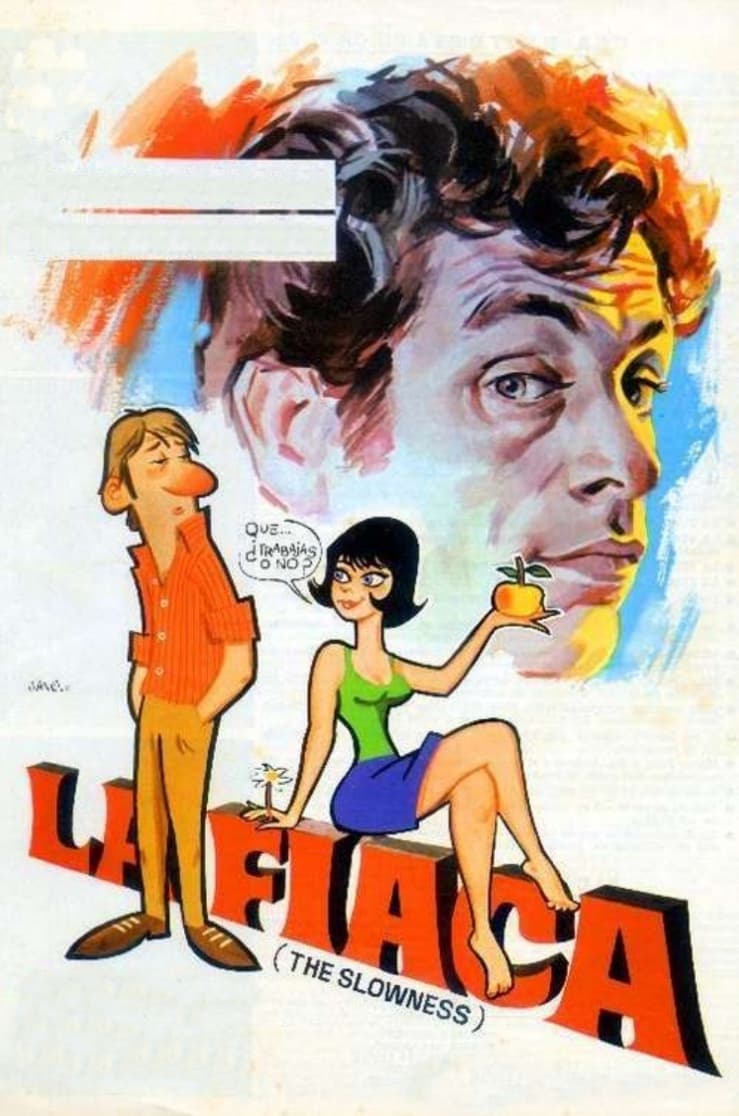
The Slowness
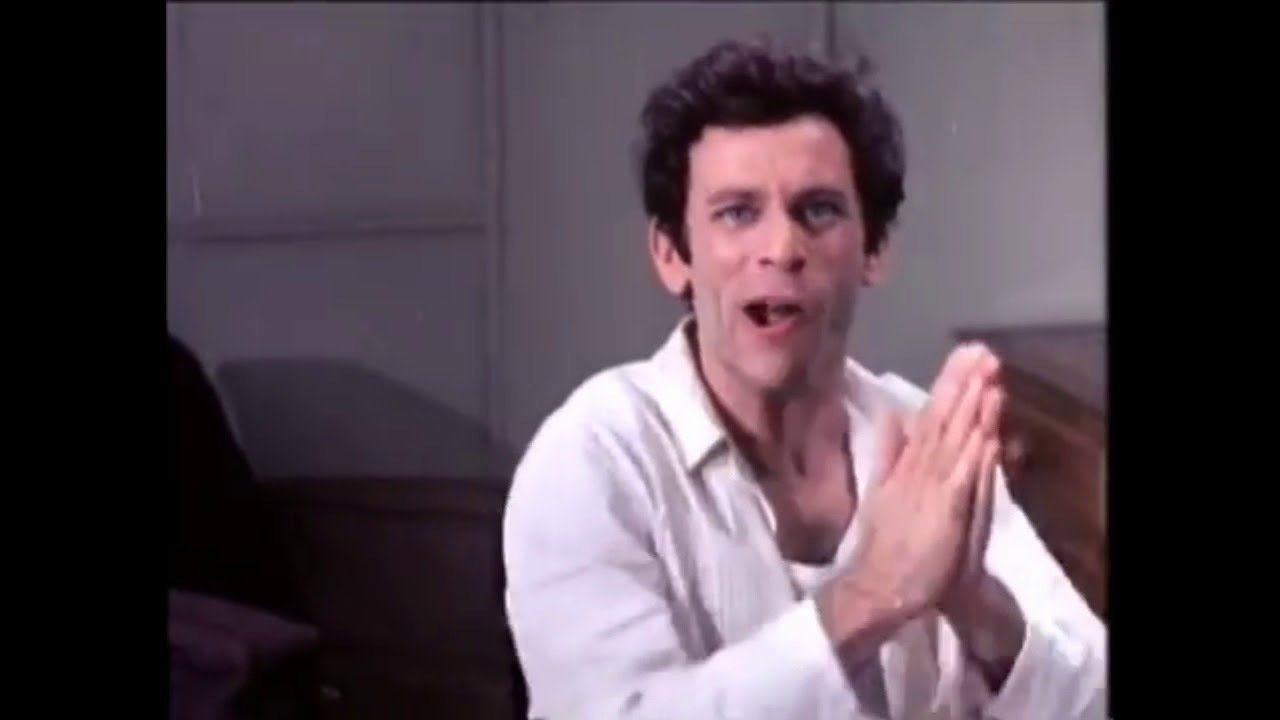
A typical office employee decides one day rebelling against its routine and not going to work because it has a "lazy". His family, friends and colleagues are trying to dissuade him unsuccessfully at the beginning. But as time passed his situation complicated emotional and economically. These circumstances thwart his rebelliousness.
Insights
Plot Summary
Robert Kramer's 'The Slowness' is a seminal work of activist cinema, capturing the anti-war and counter-cultural movements of the late 1960s in America. The film eschews traditional narrative structure, instead presenting a fragmented, impressionistic portrait of protests, street life, and the burgeoning radical consciousness. It offers a raw, immersive experience of a society in turmoil, grappling with its identity and future.
Critical Reception
As a highly influential piece of underground and political cinema, 'The Slowness' is critically acclaimed for its radical form and potent social commentary. While challenging to categorize by conventional metrics, it is revered by film scholars and activists for its groundbreaking approach to documentary filmmaking and its unflinching portrayal of dissent.
What Reviewers Say
Praised for its raw, unvarnished depiction of 1960s activism.
Considered a key example of direct cinema and political filmmaking.
Its fragmented style and immersive quality are noted as both strengths and potential barriers for viewers.
Google audience: Information on specific Google user reviews for 'The Slowness' is not readily available, as it is primarily discussed in academic and historical film contexts rather than mainstream audience platforms.
Fun Fact
Robert Kramer shot 'The Slowness' himself, often with a handheld camera, contributing to its immediate and vérité style.
AI-generated overview · Verify ratings on official sources