IMDb6.8/10
Rotten Tomatoes73%
Metacritic67/100
Google Users77%
Director: Sarah Gavron•Genres: Drama, History, War
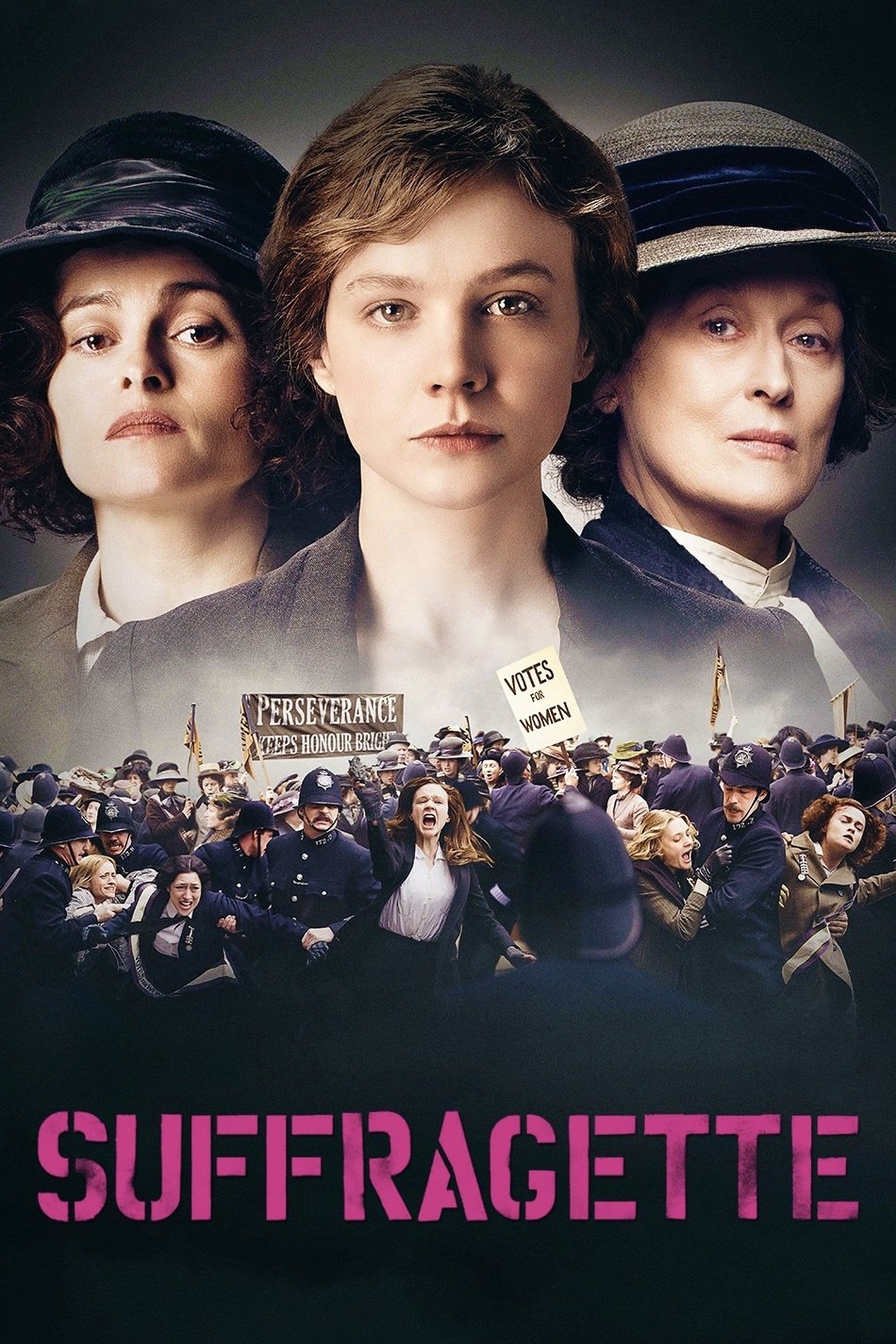
In 1912 London, Maud Watts, a young working-class woman, becomes involved in the burgeoning suffragette movement. Initially drawn in through her factory work, she witnesses firsthand the injustices faced by women and is inspired by the radical actions of activists like Emmeline Pankhurst. As she becomes more deeply committed, Maud risks her job, her family, and her freedom to fight for women's right to vote.
Suffragette was generally well-received by critics, who praised its powerful performances, historical significance, and emotional impact. While some noted the film's focus on a specific narrative and the inherent limitations in depicting such a vast movement, the overall sentiment was that it served as an important and moving tribute to the suffragettes' struggle.
Praised for its strong lead performances, particularly Carey Mulligan.
Commended for its historical accuracy and shedding light on a crucial period of social change.
Felt by some to be a bit too conventional in its storytelling approach.
Google audience: Audience reviews generally highlight the film's moving portrayal of the fight for women's suffrage and the sacrifices made by the activists. Many found the performances compelling and the historical context enlightening, though some wished for a more expansive view of the movement.
Nominated for Outstanding British Film at the BAFTA Awards.
The film features a scene where the suffragettes use the slogan "Deeds not words," which was a real motto of the Women's Social and Political Union (WSPU).
AI-generated overview · Verify ratings on official sources