
Movie spotlight
Black Wax
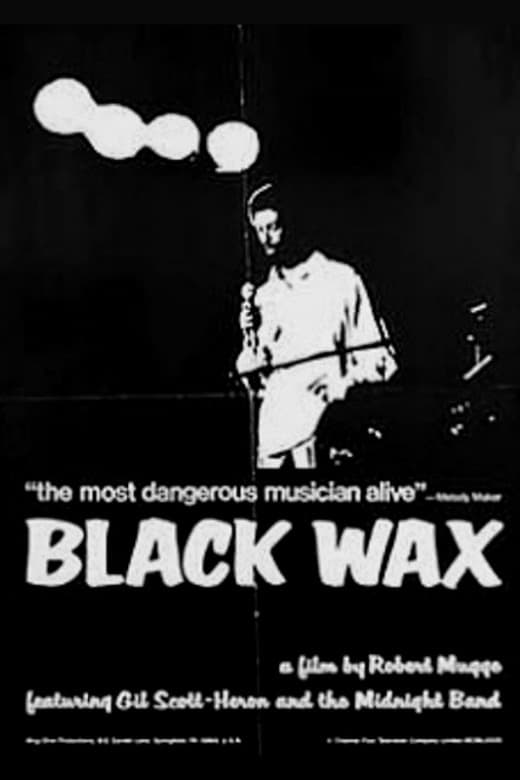
Gil Scott-Heron, one of rap's earliest (and unfortunately unknown) pioneers, gets his full due in Black Wax, the 1982 documentary recently reissued on video. Interspliced between performance footage of Scott-Heron and his Midnight Band are vignettes of him walking around Washington D.C., spouting his views on then-President Reagan (dubbed "Ray-Gun") and generally dropping knowledge. The live performance features many of Scott-Heron's best-known hits, including "Johannesburg," "Winter in America," and "Angel Dust," among others. Warm, intelligent, and insightful throughout, Scott-Heron is clearly enjoying himself and the opportunity to espouse his views. A must for any fan of Scott-Heron's, and definitely worth a look for fans of the funkier jazz music of the mid to late 1970's.
Insights
Plot Summary
A successful, but lonely, Jewish stand-up comedian who has achieved mainstream success begins to question his identity and career choices. He grapples with the loss of his mother and his place in the world, leading him on a journey of self-discovery.
Critical Reception
Albert Brooks's semi-autobiographical film 'Black Wax' received a mixed to positive reception from critics, who praised Brooks's introspective and often poignant performance. While some found the humor and dramatic elements uneven, many appreciated its honest exploration of grief, identity, and the pressures of fame.
What Reviewers Say
Praised for Albert Brooks's raw and personal performance.
Noted for its honest portrayal of grief and the challenges of maintaining authenticity in show business.
Some critics found the tonal shifts between comedy and drama jarring.
Google audience: Audience reception data for 'Black Wax' on Google is not readily available.
Fun Fact
The film is largely inspired by Albert Brooks's own experiences as a comedian and his personal struggles with his mother's death.
AI-generated overview · Verify ratings on official sources