Movie spotlight
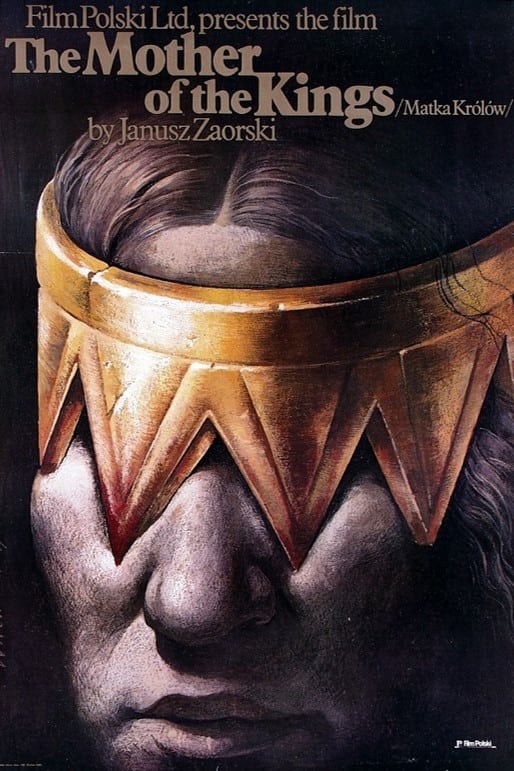
The Mother of the Kings
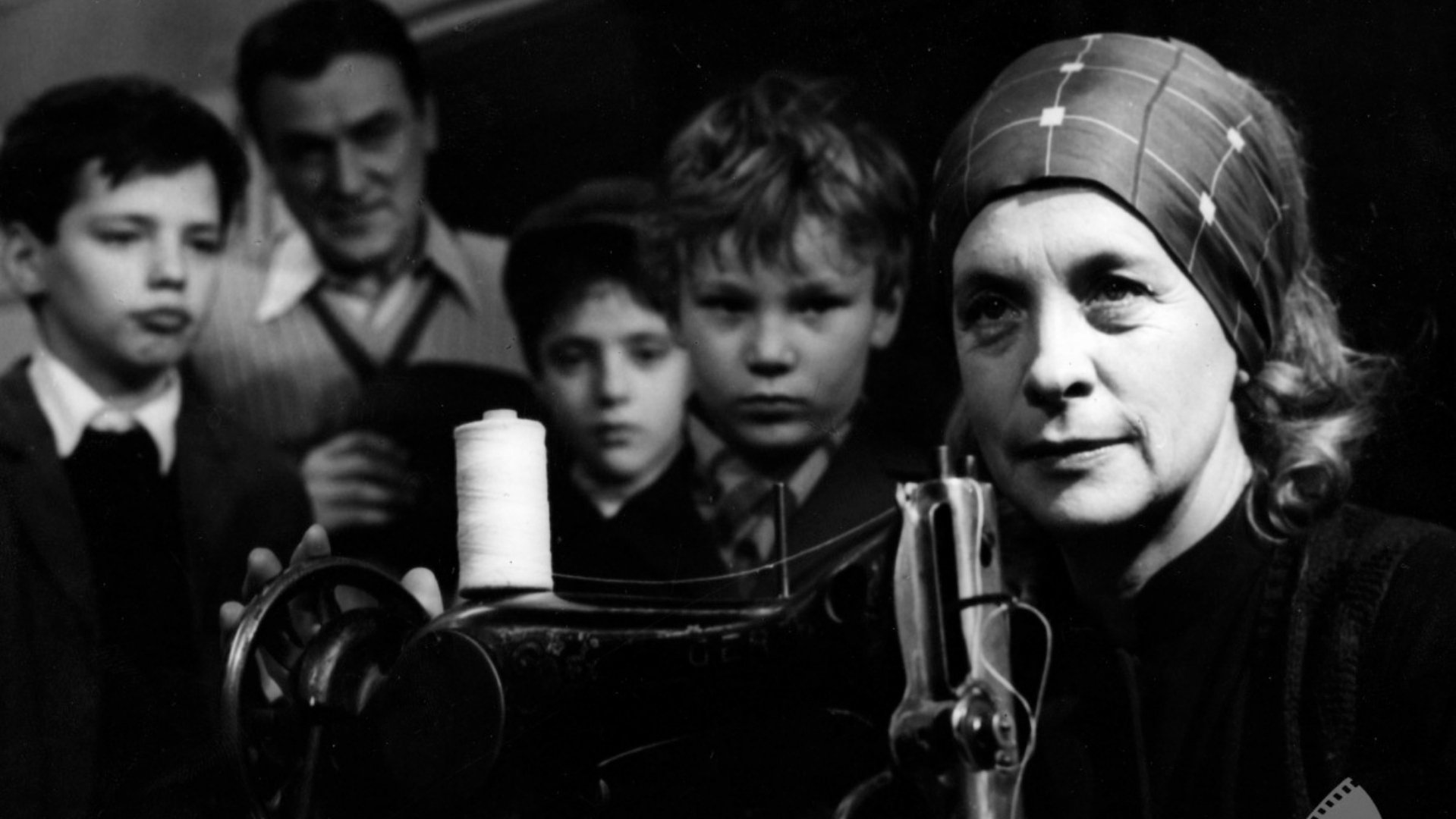
Made in 1982, shelved for five years. Story opens with Lucja Krol's husband under the tram. She gives birth to her fourth son on the floor of their new apartment. Neighbor Wiktor, a communist intellectual, befriends the poverty-stricken family but is soon arrested and sent to jail. During the war Lucja narrowly escapes a Nazi roundup at the black market. Her sons hold ardent Communist meetings in their apartment, with her blessing. Lucja works hard, but without complaint. After the war, Klemens is inexplicably arrested, accused by the new regime of being a collaborator. Wiktor, now a high-ranking party member, trying to defend him, himself falls into disgrace. Klemens is tortured to "confess" and dies in jail, a Communist to the end. Lucja is never told about his fate.
Insights
Plot Summary
The film chronicles the complex and often fraught relationship between a domineering mother and her ambitious sons, set against a backdrop of historical events. As the sons vie for power and influence, the mother manipulates and guides their destinies, revealing the deep-seated conflicts and loyalties within the family.
Critical Reception
While 'The Mother of the Kings' garnered attention for its performances, particularly from its veteran lead actresses, its narrative complexity and somber tone divided critics. Audiences found the historical drama compelling but occasionally slow-paced.
What Reviewers Say
Praised for the commanding presence of its lead actresses.
The film's historical setting and family drama elements were deemed engaging.
Some critics found the pacing to be deliberately slow, affecting the overall momentum.
Google audience: Audience reception for 'The Mother of the Kings' is not widely documented on Google, making a specific summary unavailable.
Fun Fact
Despite its cast, the film did not achieve significant international distribution or major award recognition.
AI-generated overview · Verify ratings on official sources