
Movie spotlight
Eternity and a Day
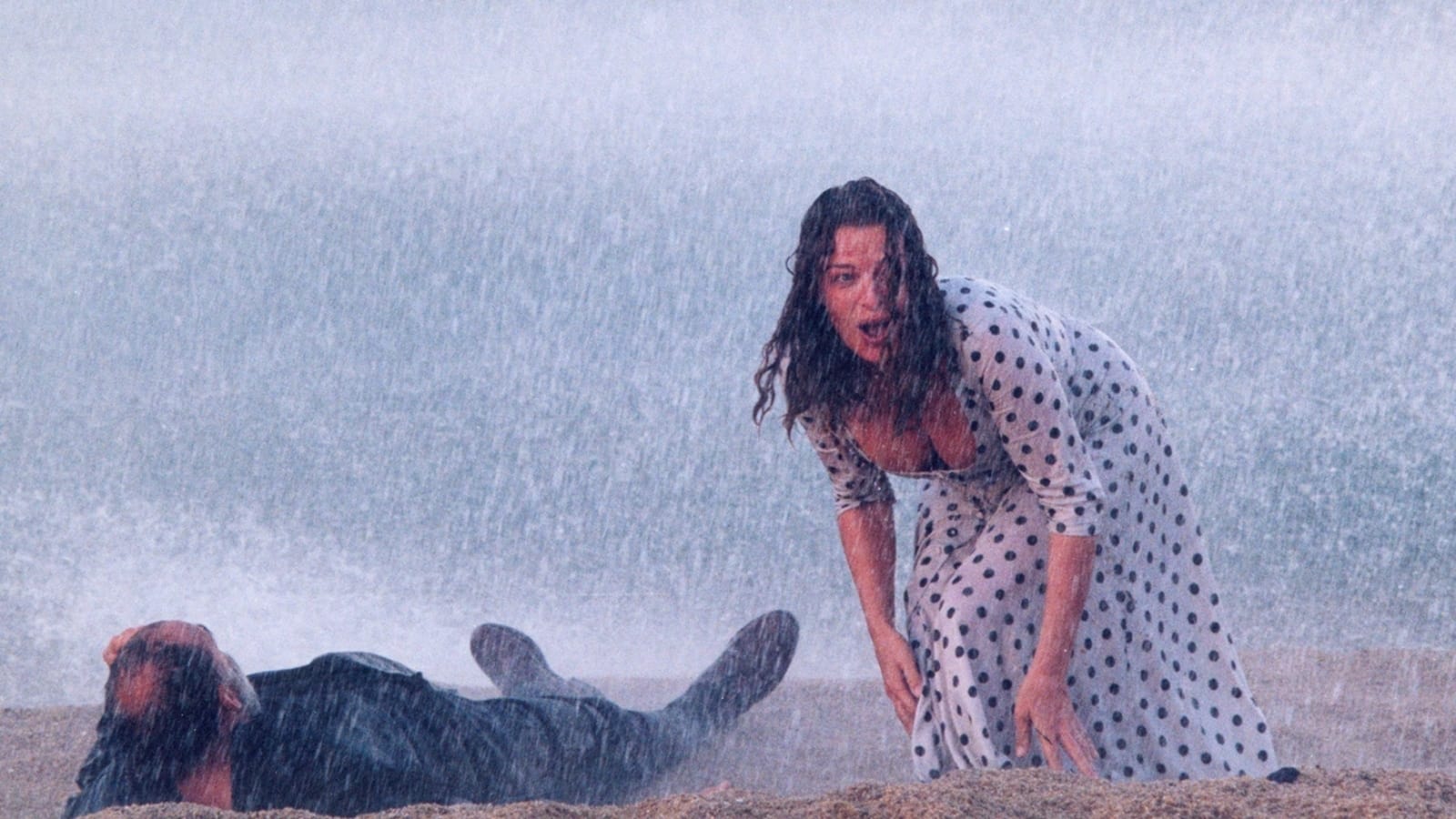
Famous writer Alexander contracts a terminal illness. He receives a letter from his wife describing a summer day 30 years ago, and leaves his seaside home to remember his past. This journey will allow him to wander between the past and the present, and encounter unexpected people, allowing him to collect unforgettable memories in the final moments of his life.
Insights
Plot Summary
A dying Greek writer reflects on his life, love, and past mistakes as he walks through the coastal city of Thessaloniki. Haunted by memories of his estranged wife and his childhood, he encounters an enigmatic young woman who seems to offer him a chance at redemption and a deeper understanding of time and existence. The film is a profound exploration of memory, loss, and the search for meaning in the face of mortality.
Critical Reception
Eternity and a Day was critically acclaimed for its poetic storytelling, stunning cinematography, and profound themes. Reviewers praised Theo Angelopoulos's masterful direction and Bruno Ganz's deeply moving performance. The film resonated with audiences for its philosophical depth and emotional resonance, exploring universal themes of love, regret, and the passage of time.
What Reviewers Say
Praised for its visually stunning and poetic narrative.
Bruno Ganz delivers a powerful and introspective performance.
Explores profound themes of memory, love, and mortality with great emotional depth.
Google audience: Viewers overwhelmingly appreciated the film's artistic merit, philosophical depth, and emotional impact. Many found it to be a beautiful and moving meditation on life and loss, with Bruno Ganz's performance being a particular highlight.
Awards & Accolades
Winner of the Palme d'Or at the 1998 Cannes Film Festival.
Fun Fact
The film's original title was 'The Wanderer,' but it was changed to 'Eternity and a Day' to better reflect its themes of time and memory.
AI-generated overview · Verify ratings on official sources