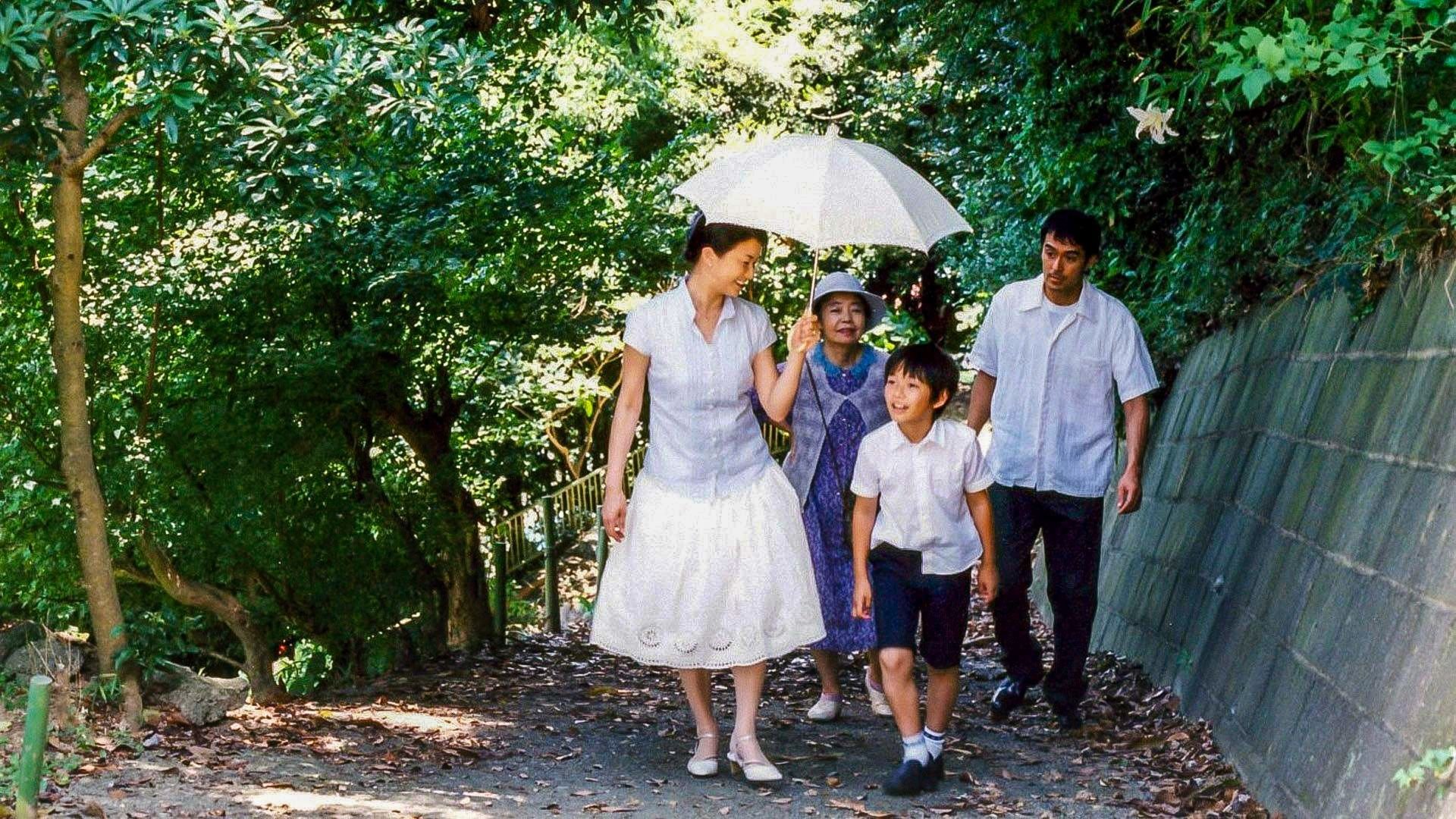



Still Walking
A family gathers together for a commemorative ritual whose nature only gradually becomes clear.
Insights
Plot Summary
Still Walking chronicles a weekend gathering of the Yokoyama family in their home, revealing the complex dynamics and unspoken regrets that simmer beneath the surface. As the adult children return to visit their aging parents, old wounds are reopened and present-day tensions arise, particularly around the anniversary of their elder brother's death. The film delicately explores themes of family obligation, reconciliation, and the quiet acceptance of life's imperfections.
Critical Reception
Still Walking was met with widespread critical acclaim, lauded for its subtle yet profound exploration of familial relationships and Kore-eda's signature gentle direction. Critics praised the nuanced performances and the film's ability to capture the bittersweet realities of everyday family life, making it a standout in contemporary Japanese cinema.
What Reviewers Say
- Praised for its deeply human and relatable portrayal of family dynamics.
- Lauded for Kore-eda's masterful direction and the authentic performances.
- Appreciated for its understated emotional depth and poignant exploration of regret and acceptance.
Google audience: Google users overwhelmingly appreciate the film's realistic depiction of family interactions, its emotional resonance, and the heartfelt performances that make the characters feel authentic and relatable. Many highlight the film's ability to evoke a sense of nostalgia and reflection on personal family experiences.
Awards & Accolades
Won the Asian Film Award for Best Film, Best Director, and Best Screenwriter. Nominated for the Palme d'Or at the Cannes Film Festival.
Fun Fact
Director Hirokazu Kore-eda drew heavily on his own childhood experiences and memories of family gatherings to craft the narrative of Still Walking.
AI-generated overview · Verify ratings on official sources
My Review
TMDB Reviews
1 reviews