
Movie spotlight
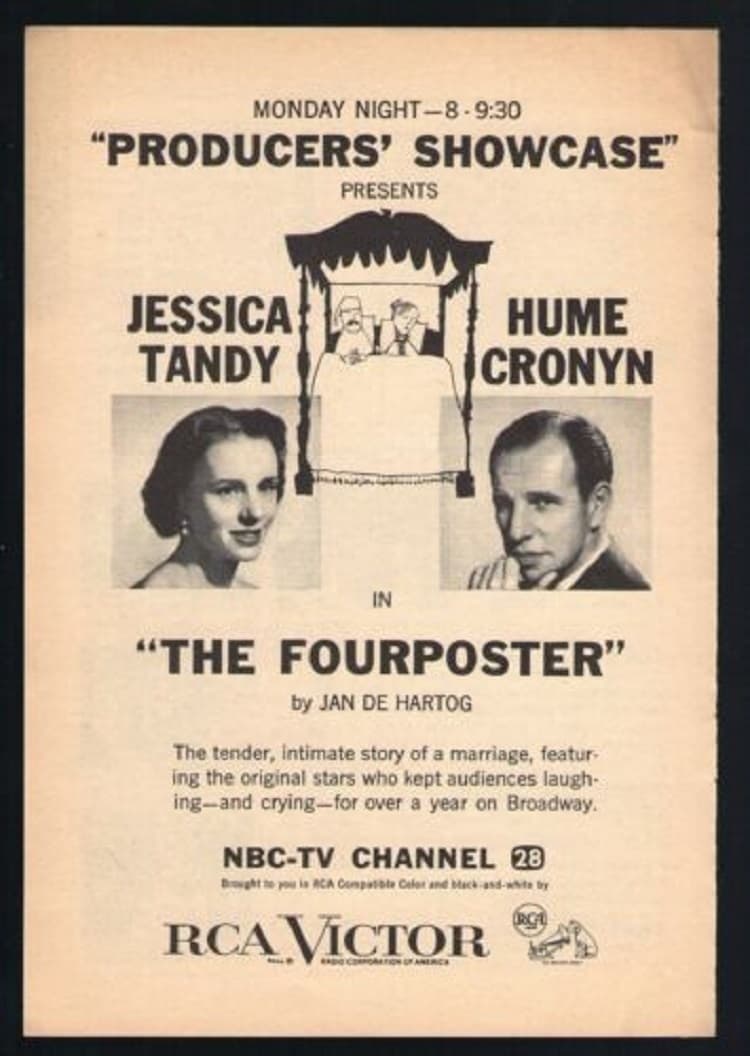
The Fourposter
The story takes place entirely in a bedroom dominated by a couple's four-poster bed, taking them through fifty years of marriage, through happiness and sorrow, through good times and bad, through childbirth, parenthood, and the eventual sadness from the absence of their children. In the end, they face the future together, while remembering their past.
Insights
Plot Summary
The film chronicles the marital ups and downs of Agnes and Michael throughout their 35-year marriage, primarily set within the confines of their bedroom and the titular fourposter bed. From their passionate wedding night to the mundane routines and occasional crises of married life, the story humorously and poignantly explores the evolving dynamics of love, commitment, and companionship. It captures the everyday realities and enduring bond that can develop between a couple over decades.
Critical Reception
The Fourposter was generally well-received by critics, who praised its witty script, charming performances, and sensitive portrayal of a long-term marriage. Rex Harrison and Lilli Palmer were particularly lauded for their chemistry and nuanced acting. While not a massive box office success, it was appreciated for its mature and realistic depiction of relationships, offering a refreshing contrast to more melodramatic romantic comedies of the era.
What Reviewers Say
Praised for its intelligent and often humorous exploration of marriage.
Rex Harrison and Lilli Palmer deliver memorable and touching performances.
Appreciated for its realistic and sensitive portrayal of a couple's enduring relationship.
Google audience: Audience reviews are generally positive, highlighting the film's charm, wit, and the strong performances of its lead actors. Many viewers found the depiction of a long marriage relatable and heartwarming.
Awards & Accolades
Rex Harrison was nominated for the BAFTA Award for Best Actor for his role. Lilli Palmer was nominated for the Golden Globe Award for Best Actress – Motion Picture Drama.
Fun Fact
The film is an adaptation of a Broadway play of the same name by Jan de Hartog, which also starred Betsy Drake and Hume Cronyn in its original 1951 run.
AI-generated overview · Verify ratings on official sources