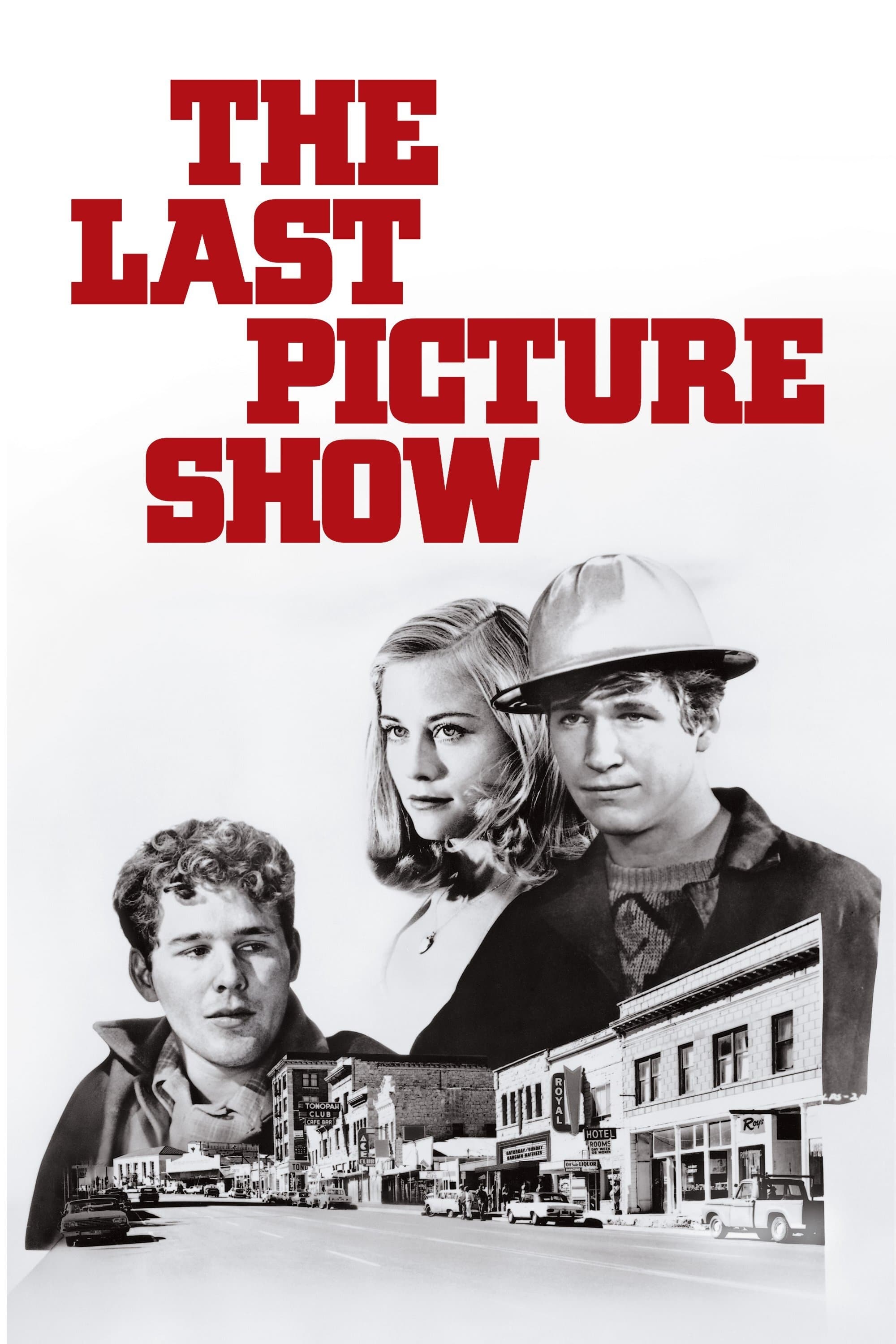


The Last Picture Show
High school seniors and best friends, Sonny and Duane, live in a dying Texas town. The handsome Duane is dating a local beauty, while Sonny is having an affair with the coach's wife. As graduation nears and both boys contemplate their futures, Duane eyes the army and Sonny takes over a local business. Each struggles to figure out if he can escape this dead-end town and build a better life somewhere else.
Insights
Plot Summary
In the bleak landscape of a dying Texas oil town in 1971, two high school seniors, Sonny Crawford and Duane Jackson, navigate the end of their youth. As they face graduation and uncertain futures, they grapple with burgeoning relationships, sexual exploration, and the pervasive sense of stagnation. Their lives are intertwined with the town's eccentric inhabitants and the imminent closure of their beloved single-screen movie theater, a symbol of fading American dreams.
Critical Reception
The Last Picture Show was met with widespread critical acclaim, lauded for its poignant portrayal of small-town life, its nostalgic yet unsentimental tone, and its outstanding performances. It is widely regarded as a masterpiece of American cinema and a defining film of the New Hollywood era.
What Reviewers Say
- Praised for its authentic depiction of adolescent angst and small-town ennui.
- Lauded for its strong performances, particularly from the ensemble cast.
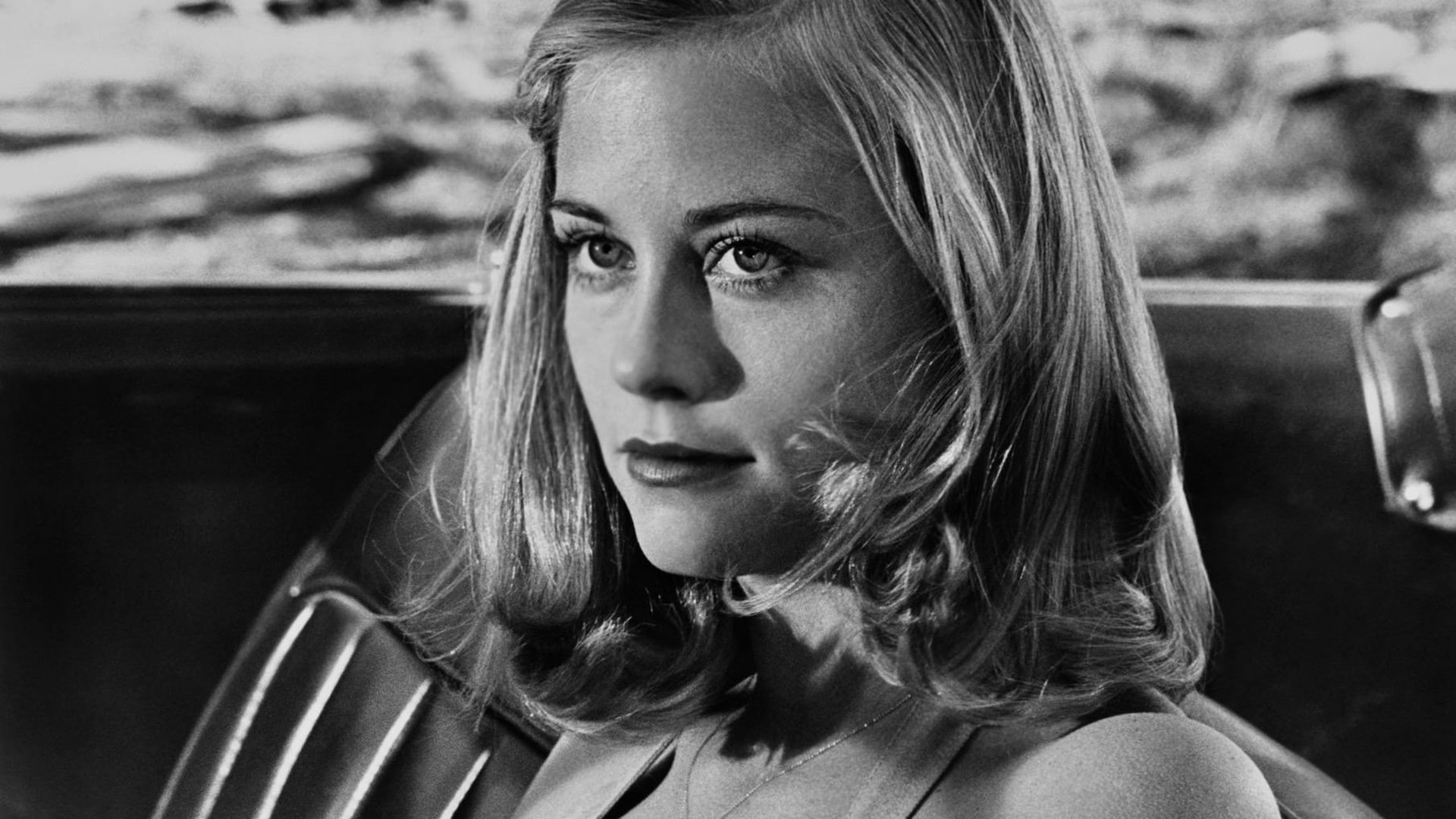
- Celebrated for its evocative black-and-white cinematography and nostalgic atmosphere.
Google audience: Viewers consistently praise the film's realistic portrayal of life in a dying town and the relatable struggles of its young protagonists. Many appreciate the authentic atmosphere and the emotional depth captured by the performances. Some find the pacing slow, but most agree it effectively conveys a sense of poignant nostalgia.
Awards & Accolades
Won 2 Academy Awards (Best Supporting Actor for Ben Johnson, Best Cinematography) and nominated for 6 others, including Best Picture, Best Director, and Best Adapted Screenplay. Also won multiple Golden Globe Awards and was named Best Film by the National Board of Review.
Fun Fact
The film was shot entirely in black and white at the suggestion of director Peter Bogdanovich, who felt it would enhance the nostalgic and melancholic mood, drawing inspiration from classic Hollywood films of the 1930s and 1940s.
AI-generated overview · Verify ratings on official sources
My Review
TMDB Reviews
3 reviews

Peter McGinn
