Movie spotlight
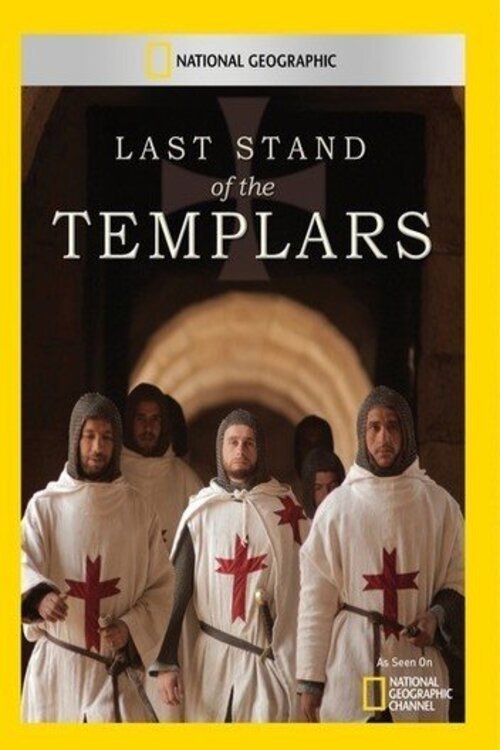
Templars - The Last Stand
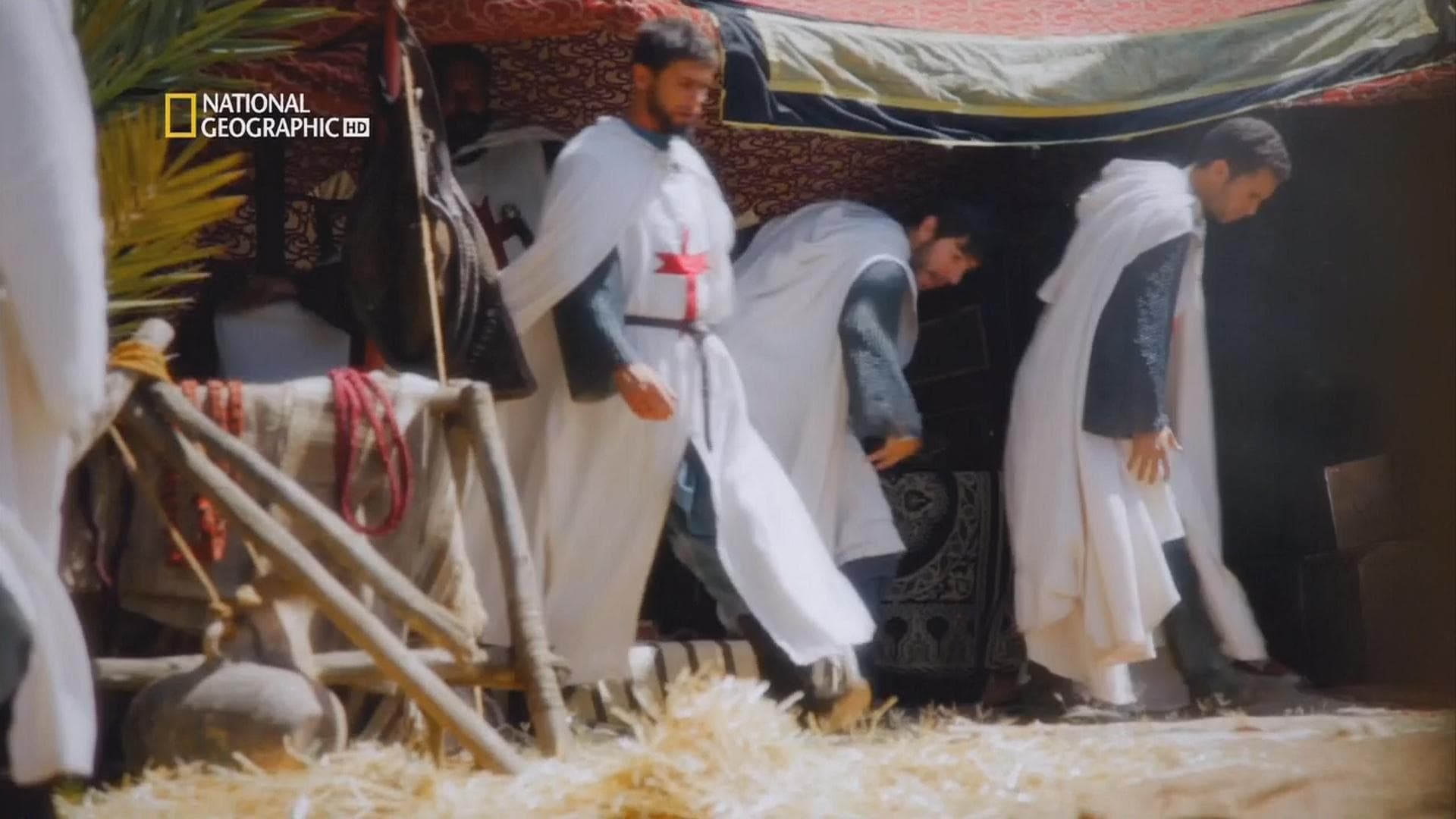
The order of the Knights Templar has generated centuries of doubt, intrigue and deadly conspiracy. Templars: The Last Stand is a revelatory documentary, featuring Dr Ronnie Ellenblum and his world-class team of archaeologists who will shed light on one crucial part of the Templars' dark past: their downfall. Offering a new analysis of the little-known Battle at Jacob's Ford, Dr Ellenblum suggests this was the scene of one of the Templars' worst defeats and a critical turning point in the Crusades. Attempting to assemble a timeline for the bloody six-day siege, the team heads to the Holy Land to dig for evidence, hoping to prove that the Knights died here in their hundreds. Could the traumatised human remains found belong to the slain warriors of the Knights Templar themselves? After so many years of uncertainty, could this discovery finally provide a vital breakthrough in understanding this fascinating medieval mystery?
Insights
Plot Summary
In 1307, the Knights Templar were a powerful and wealthy military order. However, their influence attracted the wrath of King Philip IV of France, who, deeply in debt to the order, orchestrated their downfall. This film depicts the dramatic and brutal persecution of the Templars, culminating in their final stand.
Critical Reception
While the film attempts to tackle a dramatic historical event, it received mixed to negative reviews, with many critics citing issues with pacing, historical accuracy, and production value. Audience reception was similarly lukewarm.
What Reviewers Say
Praised for its ambitious subject matter.
Criticized for uneven storytelling and low-budget feel.
Some viewers found the depiction of the Templars' persecution compelling despite its flaws.
Google audience: Audience reviews are scarce, but those available suggest a mixed reception, with some appreciating the historical attempt and others finding the execution lacking.
Fun Fact
The film's portrayal of the Templars' persecution is highly dramatized and deviates significantly from the historical accounts of how the order was suppressed across Europe.
AI-generated overview · Verify ratings on official sources