
Movie spotlight
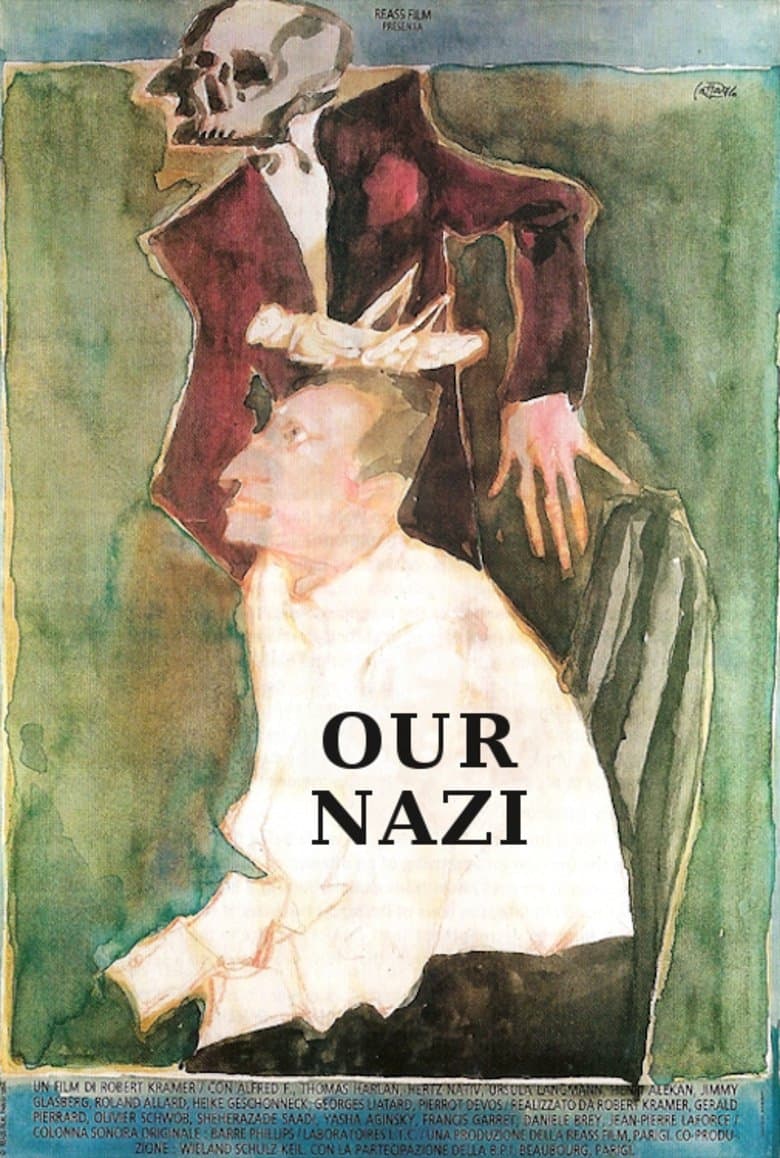
Our Nazi
In Our Nazi, we are plunged into a situation we barely, and only slowly, understand: the filming of Thomas Harlan’s experimental feature Wundkanal (1984), in which true-life ex-SS officer Alfred Filbert, now very old, is ‘put on trial’ for the camera, without him suspecting what is to come or why he is really there. Kramer’s confronting film is an essay about the sticky complicity of everyone present at this event, each bringing their own history, their own political ideology, their own desires to take revenge, to seek redemption or compassion, or just to put their heads down and ‘get the job done’ professionally, or (in the case of Filbert) to be a star, a part of the magnificent, magical, seductive world of cinema, even if it kills him.
Insights
Plot Summary
This documentary examines the rise of Nazism through archival footage, interviews, and historical analysis. It delves into the socio-political climate of post-World War I Germany that allowed for the Nazi party's ascent to power. The film explores key figures, events, and propaganda methods that shaped the Third Reich.
Critical Reception
The documentary received mixed to positive reviews, with critics often noting its comprehensive approach to a sensitive subject. Some praised its historical depth and use of archival material, while others found its presentation occasionally dry. Audience reception varied, with some appreciating the educational value and others finding the content disturbing.
What Reviewers Say
Praised for its detailed historical account of the Nazi era.
Acknowledged for its effective use of archival footage.
Some found the documentary's pacing to be slow.
Google audience: N/A
Fun Fact
The documentary utilizes extensive footage from Nazi propaganda films, juxtaposed with historical commentary to provide a critical perspective.
AI-generated overview · Verify ratings on official sources