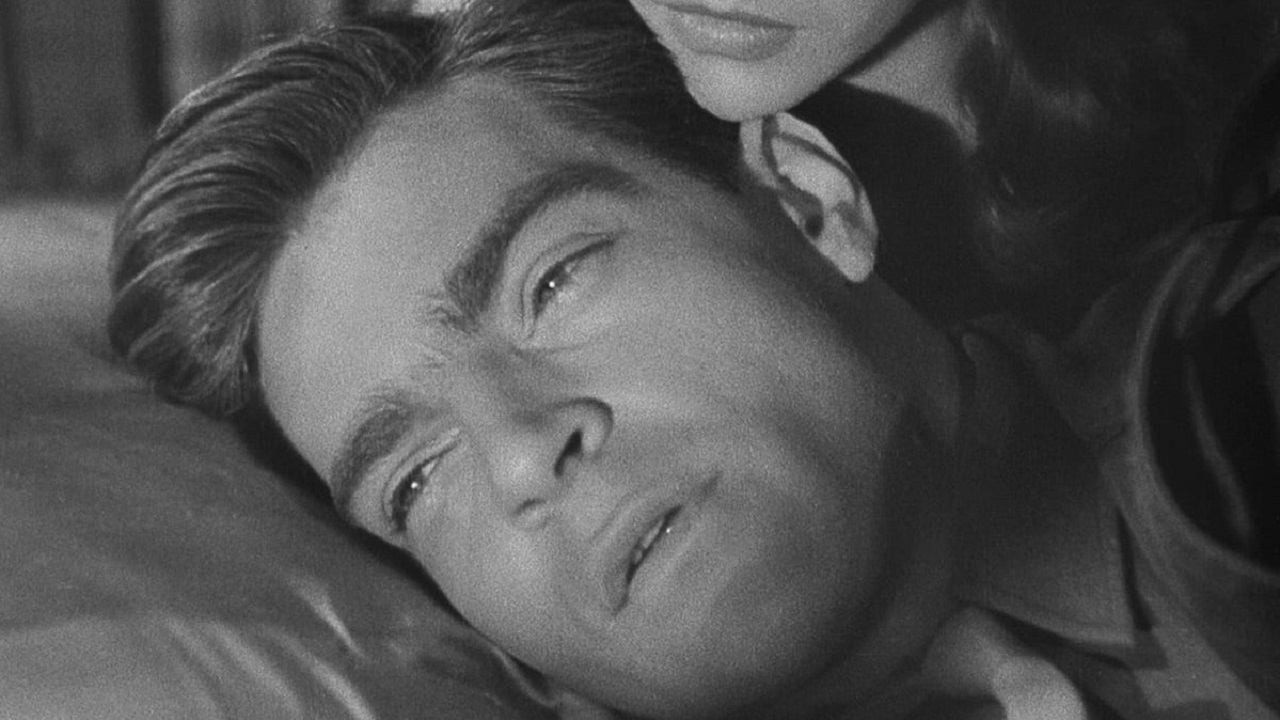
Rome: Free City
Rome: Free City

Movie spotlight

Rome: Free City

1946
Movie
81 min
Italian

In a post-war Rome (1946) a cat burglar inadvertently saves the life of a would-be suicide man who returns from the war to find that he has been betrayed by his fiancée while fighting in the war. From that moment the thief takes the ex-soldier under his wing. They leave house together for a night full of misadventures. In a streets of Rome they meet the struggling typist who can’t pay her rent and opts to street life; a wandering amnesiac who lost his memory and keeps asking everyone “Do you recognize me?”. Thieves, gamblers, hookers, policemen, soldiers and endless chain of cigarette-smoking and alcohol/espresso-drinking.

Insights

IMDb8.0/10
Rotten Tomatoes96%
Google Users94%
Director: Roberto RosselliniGenres: War, Drama, History

Plot Summary

Set in Rome during the Nazi occupation in 1944, this film follows the intertwined lives of Italian Resistance fighters and ordinary citizens struggling to survive. It focuses on the efforts of engineer Giorgio Manfredi and priest Don Pietro Pellegrini to organize an underground resistance movement against the brutal German forces and their Fascist collaborators. The narrative highlights acts of courage, sacrifice, and defiance in the face of extreme oppression.

Critical Reception

Widely regarded as a masterpiece of neorealist cinema and a landmark film of the post-war era, 'Rome, Open City' received critical acclaim for its raw, documentary-style portrayal of life under occupation. It is praised for its emotional power, authentic depiction of suffering and resistance, and its significant contribution to cinematic realism. The film was a major international success, resonating with audiences worldwide for its depiction of the human spirit triumphing over adversity.

What Reviewers Say

  • A powerful and unflinching depiction of wartime resistance and human suffering.

  • Praised for its authentic, documentary-like style and emotional depth.

  • A landmark film that defined Italian neorealism.

Google audience: Audience reviews frequently commend the film's raw authenticity, its portrayal of courage amidst oppression, and its lasting emotional impact. Many viewers found it a deeply moving and historically significant piece of cinema that captures the grim realities of wartime occupation.

Awards & Accolades

Won the Grand Prix at the Cannes Film Festival (1946) and received an Academy Award nomination for Best Original Screenplay (1947).

Fun Fact

The film was shot entirely on location in a war-torn Rome, often using makeshift equipment and natural light, which contributed significantly to its acclaimed neorealist aesthetic.

AI-generated overview · Verify ratings on official sources

Community Critic Reviews

No critic reviews have been posted yet. Be the first to share your thoughts.

My Review

TMDB Reviews

No TMDB reviews are available yet for this title.

Video Reviews

No video reviews found for this title yet.