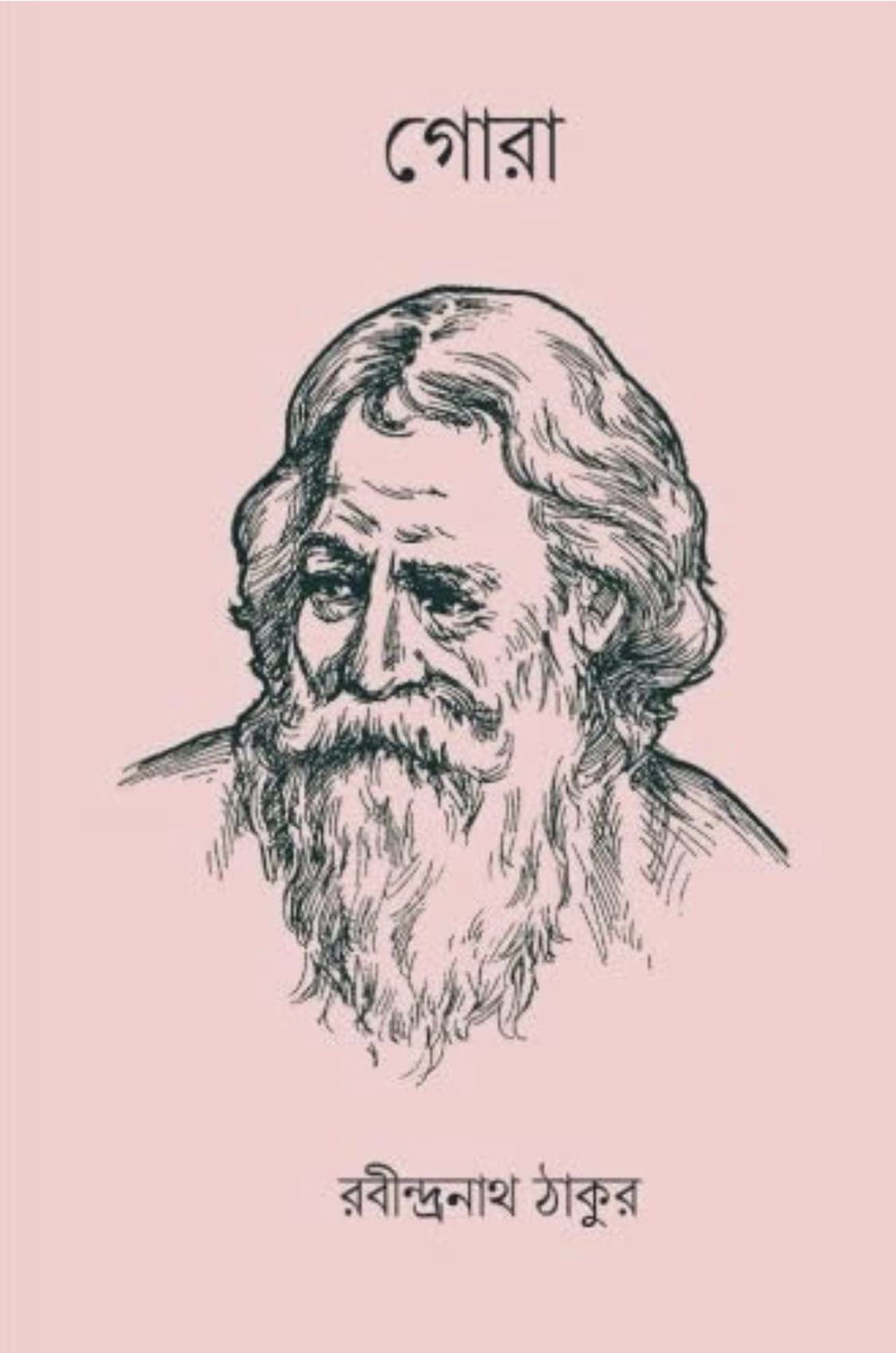

Gora
Gora and Mahim were two sons of Krishna Dayal Babu. From childhood, Bijay and Gora were friends. Through an accident, Bijay was introduced to Paresh Babu's family. Paresh was a Bramhin. So Gora did not like Bijay's visit to that house. Gora's mother was very anxious about Gora's Hindusim. Krishna Dayal was also very annoyed being an orthodox Hindu. As per his father's request, Gora went to Paresh Babu's house. Paresh babu's wife Bhadra Sundari was not happy seeing Gora there. But Gora had a real conflict with Haran Babu. The marriage of Haran Babu and Suchitra was almost fixed. The reason of the conflict was that, Haran Babu always thought of himself to be a social reformer and saviour of Brahma religion.
Insights
Plot Summary
Gora is a Bengali social drama that delves into the complexities of identity and societal norms in early 20th century India. The film explores the life of a young man grappling with his place in a rapidly changing world, facing traditional expectations and personal desires. It examines themes of nationalism, religion, and the struggle for self-discovery against a backdrop of social reform movements.
Critical Reception
Gora was a significant film for its time, addressing contemporary social issues with sensitivity and artistic merit. It was appreciated for its thoughtful narrative and its ability to spark discussions about identity and tradition among Bengali audiences.
What Reviewers Say
- Praised for its engagement with relevant social themes.
- Noted for its sensitive portrayal of character struggles.
- Considered an important film in the context of Bengali cinema's development.
Google audience: Information on Google user reviews for 'Gora (1938)' is not readily available.
Fun Fact
The film is based on the novel of the same name by Nobel laureate Rabindranath Tagore, though it adapts the story for the screen.
AI-generated overview · Verify ratings on official sources